Filling and Stability Control in Oral Liquid OEM: From Blending to Inspection
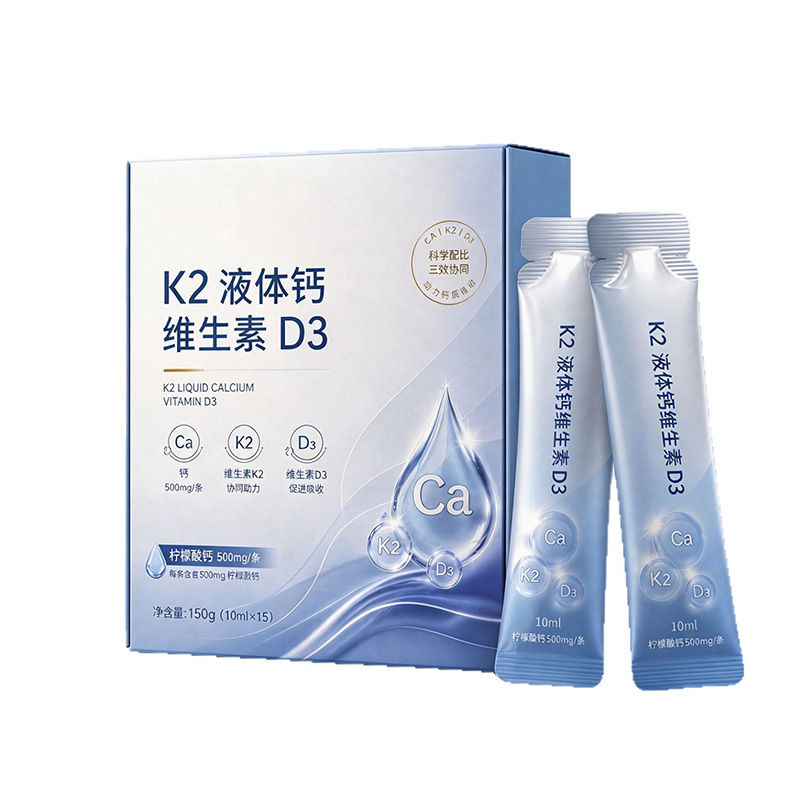
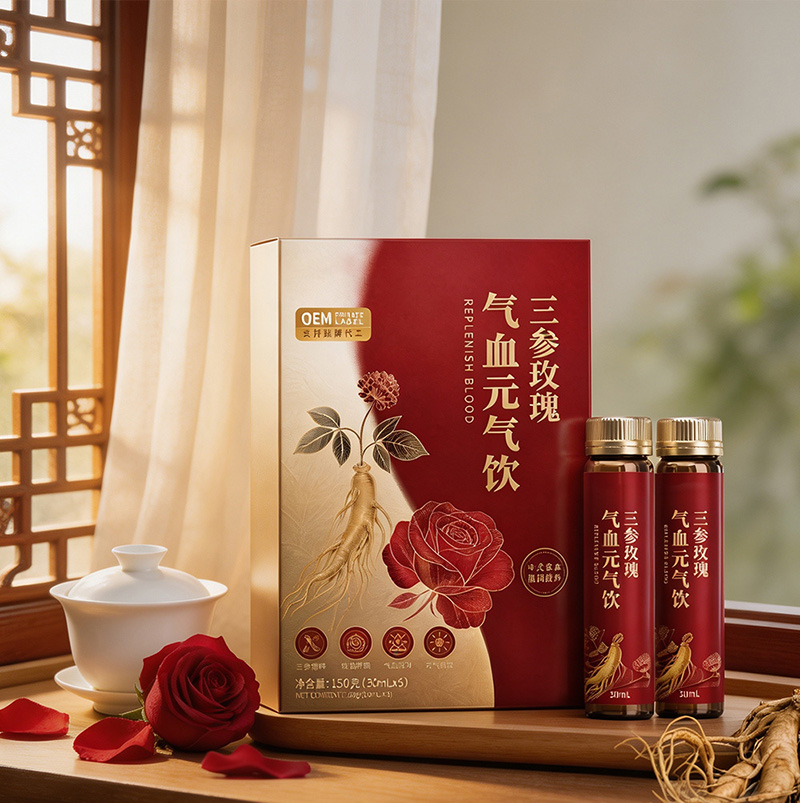
Collagen drinks, GABA drinks, PQQ drinks, calcium and zinc oral liquids, ginseng and rose vitality shots - liquid formats have become the leading dosage form in oral beauty and functional beverages. Compared with powders and tablets, liquids absorb faster, taste better and deliver a stronger consumption experience. The trade-offs are poorer stability, higher shelf-life risk and far stricter demands on the production environment.
Blending: Dissolution Order and Compatibility
Blending looks like nothing more than adding ingredients to water, yet it is where problems most often begin. The governing rule is to charge ingredients from least soluble to most soluble, ensuring each is fully dissolved before the next is added. Three classes of pitfall recur.
First, pH conflict. Certain protein peptides precipitate at specific pH values, so stability must be confirmed by bench trial before acidic fruit juices or organic acids are introduced. Second, ionic conflict. Divalent and trivalent metal ions such as calcium, magnesium and iron bind with some hydrocolloids, including carrageenan and sodium alginate, or with polyphenolic compounds, producing sediment or flocculation. Third, the timing of heat-sensitive additions. Vitamin C, anthocyanins, probiotics and most enzymes must be added after the batch has cooled, typically to 40 degrees Celsius or below.
Filtration: Clarity and Bioburden Reduction
Filtration serves two purposes: removing insoluble matter to achieve visual clarity, and intercepting microorganisms to reduce the burden on downstream sterilisation. The standard configuration is staged - coarse filtration for large particles, fine filtration at 0.45 micrometres, then sterilising-grade filtration at 0.22 micrometres. The constraint is viscosity. Sterilising-grade filtration at 0.22 micrometres requires a relatively thin liquid, so high-viscosity batches loaded with collagen peptides or thickeners see filtration efficiency collapse and filters block. Such formulas generally have to rely on terminal sterilisation instead.

Filling and Sealing
Common packaging formats are glass bottles, the traditional oral liquid presentation with excellent oxygen barrier but fragility and high freight cost; PET bottles, light and cheap with only moderate oxygen barrier; foil laminate pouches and spouted pouches, portable with good light and oxygen barrier and well suited to e-commerce; and ampoules, single-use with the best seal integrity available.
Filling accuracy governs both net content compliance and giveaway cost, with high-accuracy fillers holding deviation within plus or minus one percent. Sealing determines integrity. Screw caps need controlled torque and a tamper-evident ring, foil induction seals need temperature, pressure and dwell time all controlled, and spouted pouches need correct heat-seal temperature and seal width. Any lapse shows up during shelf life as leakage, swelling, or mould. When accepting an oral liquid OEM run, fix a seal integrity sampling plan using vacuum decay or a water bath bubble test.
Sterilisation: Retort or Aseptic Filling
Two routes exist. Secondary sterilisation, or retorting, pasteurises or sterilises the sealed finished product as a whole, typically at 85 to 121 degrees Celsius depending on pH and formulation. Equipment cost is low and tolerance for error is high, but losses in heat-sensitive actives, colour and flavour are significant. Aseptic filling sterilises the product and the packaging separately and fills under sterile conditions, giving the best product quality but demanding high cleanroom classification, CIP and SIP systems and rigorous operator discipline, with a correspondingly high investment threshold.
The selection criterion is again pH. Acidic beverages at or below pH 4.6 can use a relatively mild pasteurising retort. Products above pH 4.6, or those containing dairy or protein, require either higher-intensity retorting or the aseptic route.
What Stability Studies Examine
Liquid products carry more stability parameters than powders. The standard set covers appearance, checking for sediment, phase separation, flocculation or swelling; colour and odour; pH; soluble solids; assay of the principal functional actives such as collagen peptides, anthocyanins or GABA; microbiology including aerobic plate count, coliforms, yeast and mould; and packaging compatibility, looking for migration, off-odours or corrosion of the container.
Four High-Frequency Failure Modes
Sedimentation and phase separation usually trace to pH drift, ionic conflict or a poorly chosen thickener system, and can be anticipated during formulation using accelerated centrifugation trials.
Swelling and gas production is the classic signature of microbial contamination, with root causes in insufficient sterilisation, poor sealing or excessive incoming bioburden.
Colour and flavour change arises from Maillard reactions, oxidation or light exposure, and is particularly visible in products containing anthocyanins or vitamin C, which need light-blocking packaging combined with an antioxidant system.
Assay decay means the functional active degrades across shelf life. The response is to build an overage factor into the formulation at the design stage and verify the decay curve through accelerated testing. This matters especially for products that state a specific milligram addition on the label, since late-shelf-life samples may otherwise fall below the declared value.
Related Products
Calcium + Zinc Oral Liquid Blueberry Flavor | Zinc Gluconate Liquid Calcium Supplement for Kids OEM | Kids Liquid Calcium with High-Potency Vitamin K2 & D3 | Calcium Zinc Oral Liquid for Teens OEM
About Guangzhou Mesen Health Biotechnology Co., Ltd
Guangzhou Mesen Health Biotechnology Co., Ltd is located in the Huashan Science and Technology Park, Huadu District, Guangzhou. The company has focused on OEM and ODM services for the big health industry for nearly 20 years, operating dedicated research, production, sales and management centres, and maintaining long-term strategic partnerships with well-known Chinese medicine colleges and research institutions. Capabilities span pressed candy, gummies, capsules, solid beverages, herbal teas, plant beverages, protein powders, dietary supplements and enzyme jelly - from formulation development through contract manufacturing. For details on minimum order quantities, sampling lead times and quotations, see our manufacturing advantages and product range, or contact us for a tailored proposal.
Further Reading