The Compliance Checklist for Supplement OEM: Eight Items to Verify Before Signing
In the health food contract manufacturing industry, the most expensive cost is rarely the unit processing fee. It is the rework, delay and compliance exposure that comes from choosing the wrong factory. Many brand owners compare quotations line by line while overlooking the most basic question of all: does this facility actually hold the licence to manufacture the dosage form you want?
1. Food Production Licence and Its Scope
This is the first and most important gate. A Chinese SC licence specifies food categories and category codes - beverages, confectionery, health foods, foods for special dietary uses - with further subdivision beneath each. A factory licensed only for confectionery cannot lawfully produce beverages. When verifying, do not stop at whether a licence exists; check whether the schedule covers the specific category your product falls into.
For health foods carrying the blue hat mark, requirements tighten further. The manufacturer needs a health food production licence, and the product itself requires either a health food registration certificate, under the registration pathway, or a filing credential. Filing applies where all raw materials appear on the health food raw material catalogue and is comparatively quick; registration requires functional testing and safety evaluation, with a long timeline and substantial investment.
2. System Certification
The common certifications are ISO 9001 for quality management, ISO 22000 or HACCP for food safety management, and FSSC 22000. It is important to understand the difference: ISO 9001 governs process management and does not by itself assure food safety. The standards directly tied to food safety are HACCP, ISO 22000 and FSSC 22000, and for exports to the European Union and United States, FSSC 22000 carries the widest recognition.
3. Ingredient Compliance
Three red lines apply. First, the medicine-food homology catalogue: ordinary foods may only use botanicals listed on it, and anything outside the catalogue is prohibited. Second, novel food ingredients: substances approved onto the novel food list - certain probiotic strains, sodium hyaluronate, PQQ and others - may be used, but applicable populations, intake limits and labelling requirements must be observed, and some are unsuitable for infants, young children or pregnant women. Third, food additives: use must fall within the scope and limits set by GB 2760, since exceeding either is a frequent basis for penalty.
4. Label Compliance
Prepackaged food labelling must satisfy GB 7718, and nutrition labelling must satisfy GB 28050. Frequent violations include incorrect rounding and zero-threshold values in the nutrition panel, energy values that do not reconcile with the declared macronutrients, ingredient lists not ordered by descending weight, and missing allergen declarations. On claims: ordinary foods may not claim health functions, and health foods may only claim the function for which they are registered or filed, together with the mandatory statement that the product is not a substitute for medicine.
5. Testing Capability
Whether the factory runs its own laboratory, which tests it performs in-house and which are subcontracted directly affect troubleshooting speed and sampling efficiency. At minimum, confirm capability for routine physicochemical tests - moisture, protein, ash - and microbiology including aerobic plate count, coliforms, yeast and mould and pathogens. Heavy metals, pesticide residues and mycotoxins are typically outsourced to third-party laboratories holding CMA or CNAS accreditation. Requesting recent third-party reports is the most direct form of verification.
6. Stability Data Behind the Shelf Life
A qualified manufacturer should be able to produce the stability protocol and data: the conditions used for accelerated and real-time studies, testing intervals, and acceptance criteria. If a factory arrives at a shelf life by experience alone, that number will not hold up when a customer complaint arrives.
7. Traceability and Retention Samples
Require a batch traceability system linking raw material lot numbers to production batch numbers to finished goods lot numbers, with retention samples held for a defined period past the end of shelf life. This is both a quality system requirement and the key evidence for apportioning responsibility when something goes wrong. OEM contracts should state the retention period and the obligation to supply traceability records.
8. Export Qualification
For export programmes, confirm several additional items: whether the factory holds export food production enterprise registration; whether the destination market requires facility registration, such as US FDA facility registration or listing on an EU-approved third-country list; whether the factory can issue the documents the destination requires, including health certificates, certificates of free sale, compositional analysis and allergen declarations; and whether labelling meets destination rules, such as the US Supplement Facts panel format or the EU nutrition and health claims Regulation (EC) No 1924/2006.
Practical Recommendations
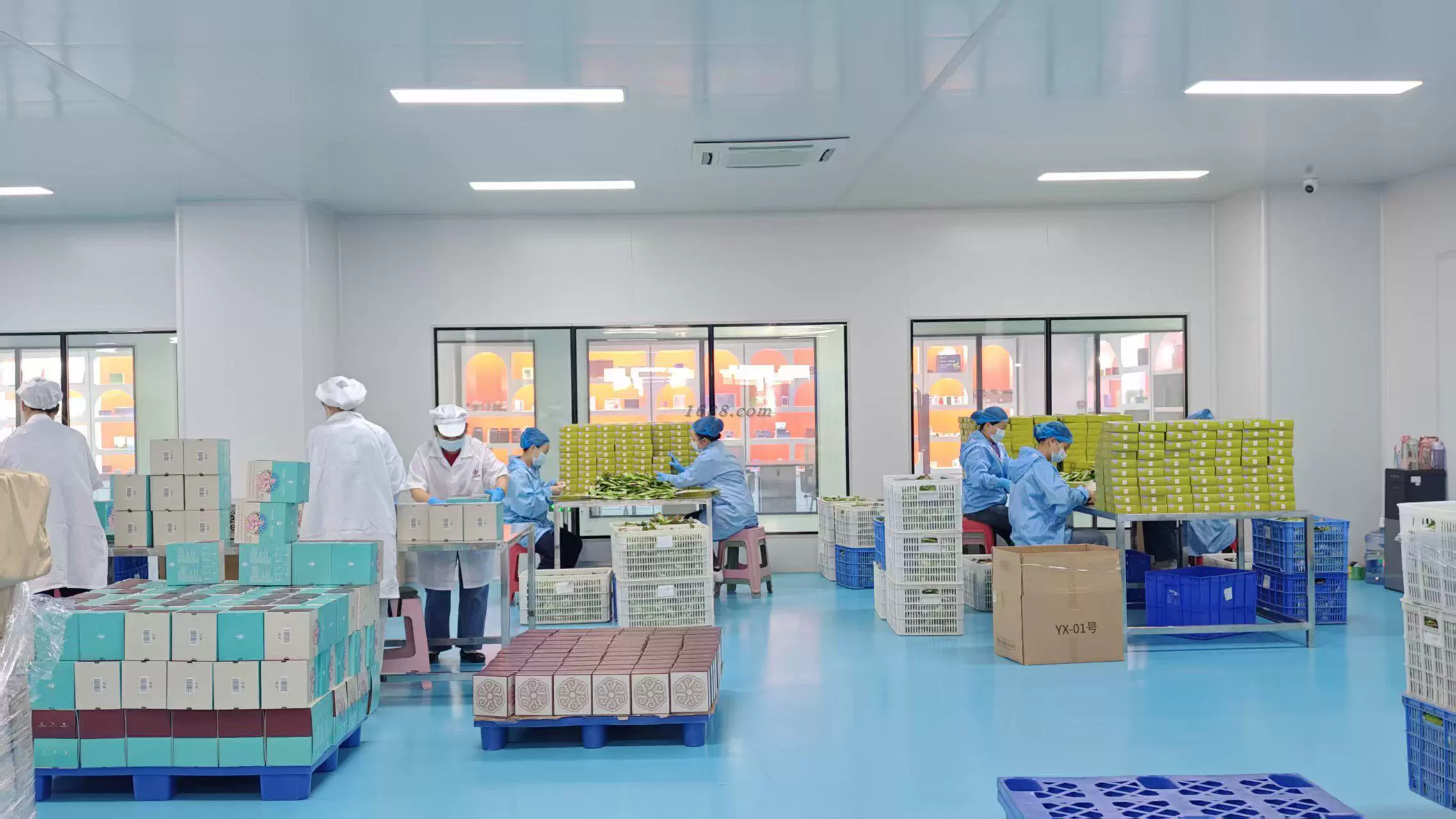
Do three things before signing. First, obtain and verify scanned originals of the certificates above, checking validity dates and licence scope. Second, audit the facility in person or by video, focusing on the raw material warehouse, hygiene zoning and staff practice on the production floor, and the laboratory. Third, run a small trial order first and use a real purchase to validate lead time, quality consistency and communication responsiveness before scaling up. The time these three steps consume is far less than the cost of remedying a wrong partnership afterwards.
Related Products
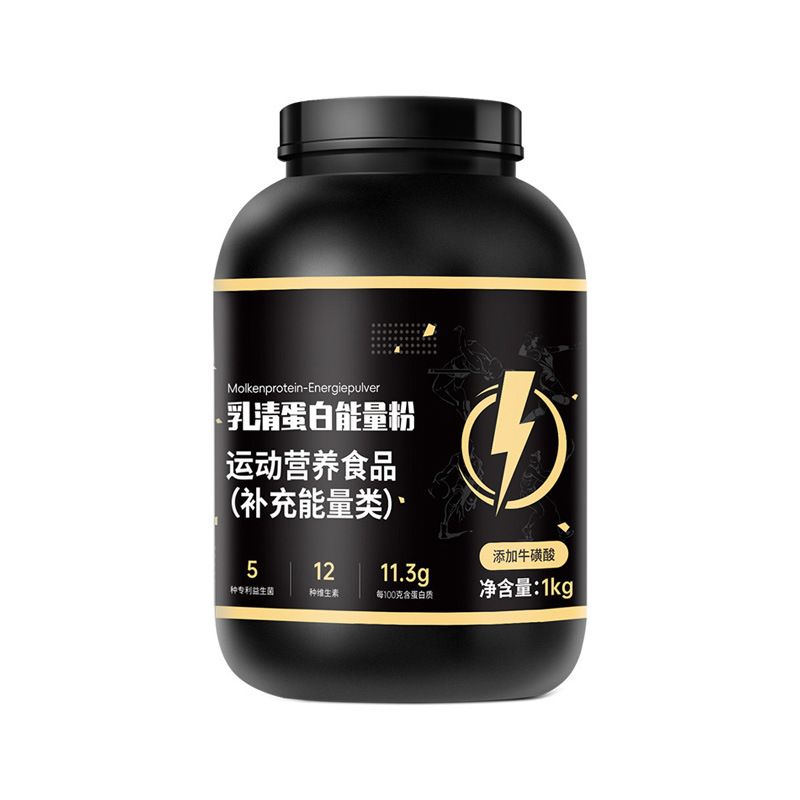
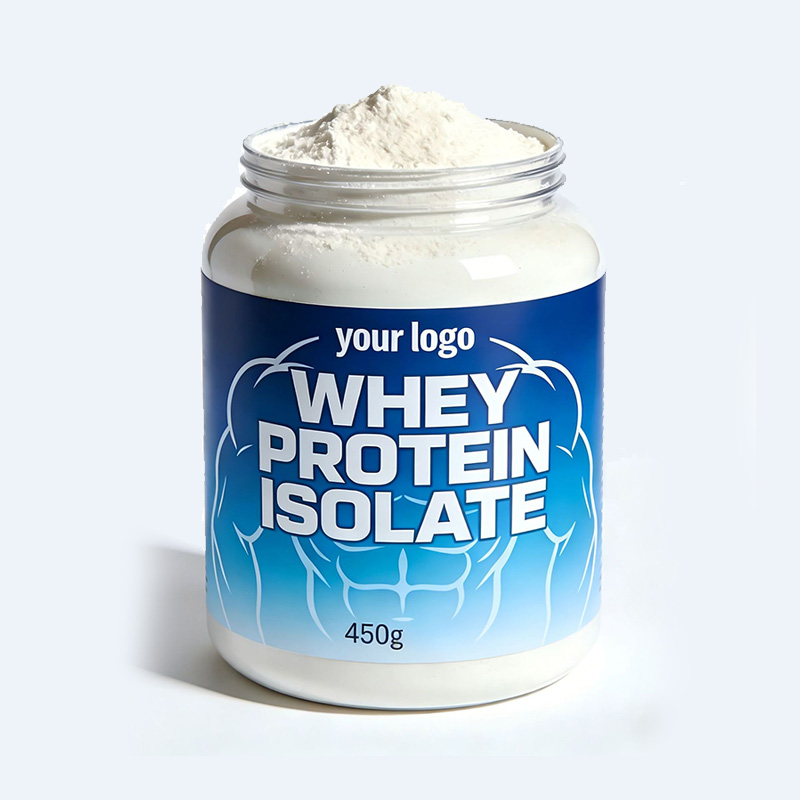
Whey Protein Isolate with Vitamin B6 & B12 and Yeast Protein | Fitness Supplement OEM/ODM Source Manufacturer | Whey Protein Powder | Sports Nutrition Dietary Supplement Custom OEM
About Guangzhou Mesen Health Biotechnology Co., Ltd
Guangzhou Mesen Health Biotechnology Co., Ltd is located in the Huashan Science and Technology Park, Huadu District, Guangzhou. The company has focused on OEM and ODM services for the big health industry for nearly 20 years, operating dedicated research, production, sales and management centres, and maintaining long-term strategic partnerships with well-known Chinese medicine colleges and research institutions. Capabilities span pressed candy, gummies, capsules, solid beverages, herbal teas, plant beverages, protein powders, dietary supplements and enzyme jelly - from formulation development through contract manufacturing. For details on minimum order quantities, sampling lead times and quotations, see our manufacturing advantages and product range, or contact us for a tailored proposal.
Further Reading