Raw Material Grading and Formula Design in Herbal Tea OEM: Why Two Goji Blends Differ
Herbal and substitute teas have shown the most consistent growth in contract manufacturing demand in recent years. Corn silk tea, five-treasure blends, chrysanthemum and goji tea, jujube seed and lily bulb tea, red bean and coix seed tea - nearly every niche holds a stable repeat-purchase audience. Yet two products both labelled goji and chrysanthemum tea can be quoted anywhere from a few yuan to several dozen yuan per box. Where does that spread come from? Almost entirely from raw materials and formulation logic.
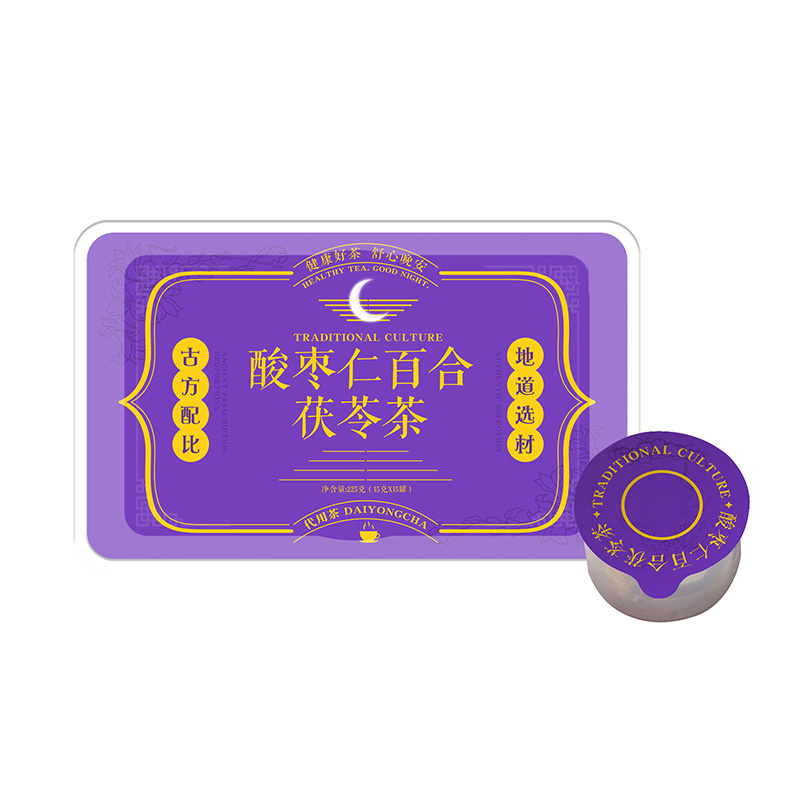
Raw Material Grading: Grade, Origin and Cut
Take goji berry as the example. Across generic, premium and tribute grades, hundred-berry weight, polysaccharide content and impurity rate differ measurably, and berries from Zhongning in Ningxia do not sit at the same polysaccharide and betaine levels as those from other growing regions. Chrysanthemum works the same way: bud-grade, whole-flower and tribute-grade flowers are harvested at different stages and carry very different volatile oil and chlorogenic acid levels. When herbal tea OEM quotations simply say goji and chrysanthemum without locking grade and origin, the quality of what is finally delivered can vary enormously.
Cut specification affects both cost and experience. Whole flower, sliced, coarsely broken and fine powder sit on a continuum: the finer the cut, the faster the infusion and the higher the extraction yield, but also the cloudier the liquor and the weaker the visual impression in a tea bag. Premium gift boxes lean toward whole flowers and whole fruits for visual integrity, while functional bagged teas often use moderate crushing to lift extraction efficiency.
Formula Design: Structured Hierarchy or Ingredient Stacking
Many new brands build herbal tea formulas by adding whatever is trending, ending up with seven or eight botanicals in equal proportion that taste incoherent and communicate no clear benefit. Two disciplined approaches exist instead. The first follows the traditional hierarchy of monarch, minister, assistant and envoy: one or two principal botanicals at 30% to 50% of the blend, supported by two or three minister ingredients and small amounts of assistants. The second works backwards from the target function - a sleep support blend built on jujube seed, GABA and lily bulb, or a glycaemic support blend centred on mulberry leaf, bitter melon and Cyclocarya paliurus.
Either way, every ingredient must be confirmed against the medicine-food homology catalogue. Botanicals outside the list published by the National Health Commission cannot be used as ordinary food ingredients. This is the hardest compliance line in herbal tea manufacturing, and crossing it creates administrative penalty exposure.
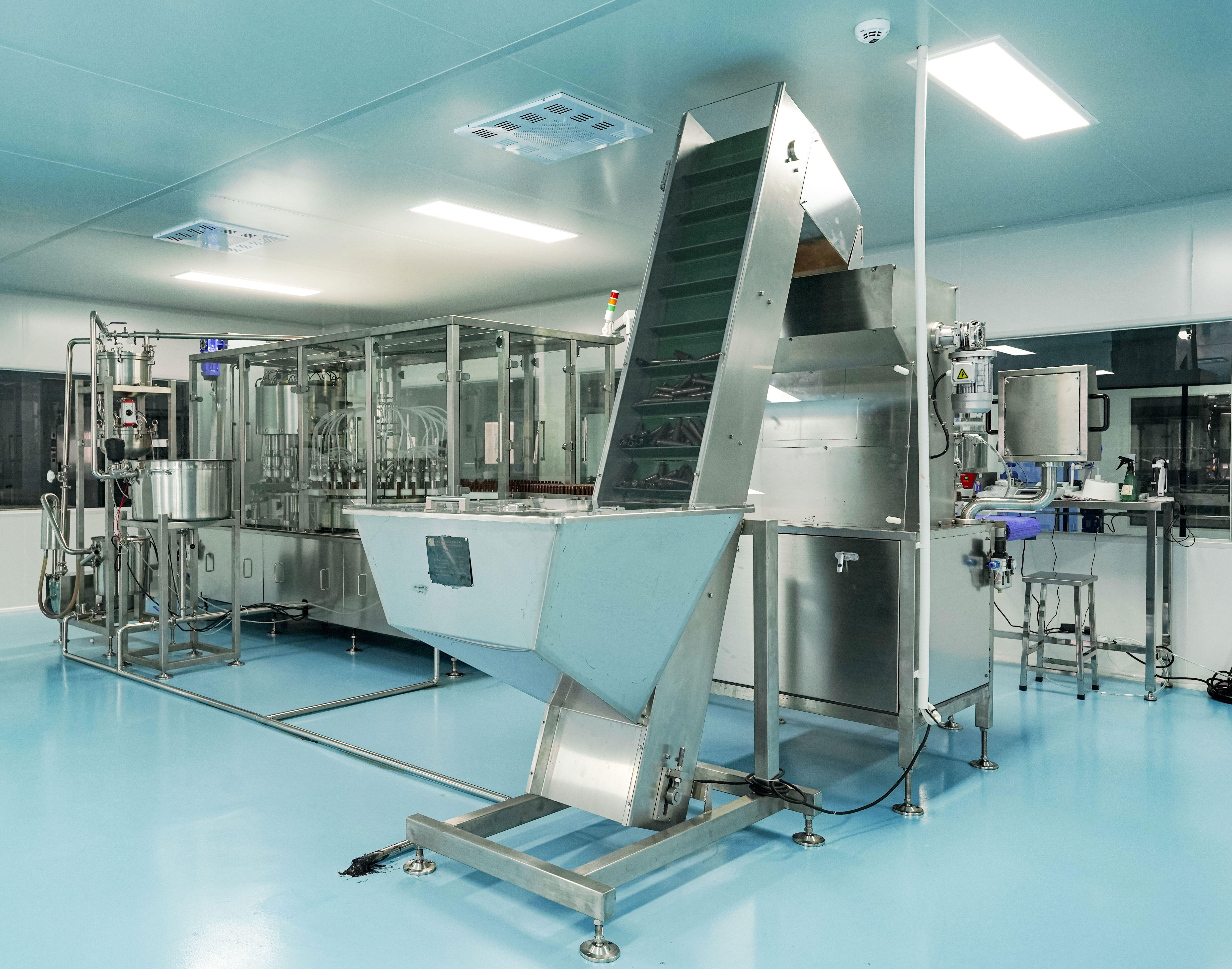
Processing: From Raw Botanical to Tea Bag
The production flow is comparatively straightforward: sorting and destoning, washing or skipping the wash since some flowers lose aroma when washed, drying by hot air, microwave or freeze drying, cutting and crushing, blending, sterilisation, filling and sealing, then secondary packaging.
Two stages decide the outcome. The first is drying. Hot air drying is cheap but costs aroma and risks browning; microwave drying is fast and delivers good insect and microbial control; vacuum freeze drying best preserves colour, aroma and heat-sensitive constituents but costs more and is reserved for premium single botanicals or puree-type materials. The second is sterilisation, since microbial exceedance is a chronic industry issue. Irradiation, steam and microwave are all used, and products exported to the European Union must observe labelling and compliance rules around irradiation treatment.
Tea Bag Format and Material
The common options are non-woven filter paper sachets, nylon pyramid bags that hold whole leaves and allow visual inspection, and biodegradable corn fibre mesh. Pyramid bags showcase whole flowers and whole leaves and support premium pricing; flat non-woven sachets cost least and infuse fastest. The combination of string, tag and foil outer pouch shapes both the unboxing experience and moisture protection. For export programmes, biodegradable material is a meaningful advantage.
Critical Quality Criteria
On sensory: colour, form, aroma, liquor colour and taste must match the approved reference sample. On physicochemical: moisture, generally held at or below 12% since higher levels invite mould, ash, and extractable matter. On microbiology: aerobic plate count, coliforms and mould, with mould the most frequent exceedance in this category. On safety: heavy metals including lead, cadmium, arsenic and mercury, pesticide residues, and sulphur dioxide residue where materials have been sulphur-fumigated.
Four Practical Recommendations
First, lock raw material grade, origin and cut specification before sampling, and keep a mutually sealed reference sample. Second, resist long ingredient lists: five to eight botanicals usually taste better, hold up more consistently and cost less to control than twelve. Third, decide whether functional marker testing is required - polysaccharides, flavonoids, chlorogenic acid - and agree testing frequency and acceptance limits in advance. Fourth, if the route to market is e-commerce, settle the compliance boundary for listing copy early. Herbal teas are ordinary foods, and claims to treat or prevent disease are not permitted.
Related Products
Grape Oolong Fruit Tea Blend | Pyramid Tea Bags Herbal Wellness Tea Custom OEM | Corn Silk Herbal Tea | Wellness Herbal Tea Private Label OEM Manufacturer
About Guangzhou Mesen Health Biotechnology Co., Ltd
Guangzhou Mesen Health Biotechnology Co., Ltd is located in the Huashan Science and Technology Park, Huadu District, Guangzhou. The company has focused on OEM and ODM services for the big health industry for nearly 20 years, operating dedicated research, production, sales and management centres, and maintaining long-term strategic partnerships with well-known Chinese medicine colleges and research institutions. Capabilities span pressed candy, gummies, capsules, solid beverages, herbal teas, plant beverages, protein powders, dietary supplements and enzyme jelly - from formulation development through contract manufacturing. For details on minimum order quantities, sampling lead times and quotations, see our manufacturing advantages and product range, or contact us for a tailored proposal.
Further Reading