Softgel or Hard Capsule? A Selection Guide and Cost Breakdown for Capsule OEM
Capsules occupy the premium end of the supplement category. The same fish oil or curcumin carries visibly more perceived value inside a capsule than in a tablet. But when a capsule OEM project actually begins, the first decision to settle is whether to build it as a softgel or a hard capsule.
Hard Capsules: Flexible, Low Minimums, Built for Powders
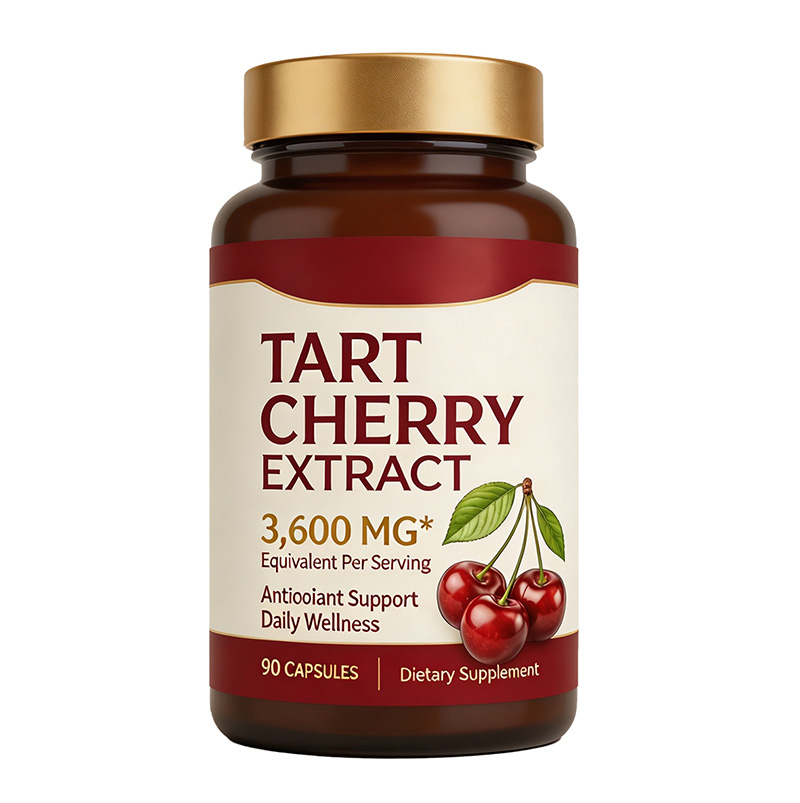
A hard capsule consists of two telescoping shells filled primarily with powder, granules or pellets, though small volumes of semi-solid fill are also possible. Two shell materials dominate: gelatin shells in standard sizes such as 0 and 00, and HPMC (hydroxypropyl methylcellulose) shells made from plant cellulose. HPMC supports a vegan claim and, because of its low moisture content, handles hygroscopic fills and probiotic formulations considerably better.
The strength of the hard capsule is flexibility. Reformulating means changing the powder blend, not rebalancing a gel mass. Filling equipment is widely available, sampling turnaround is short, and minimum order quantities are low enough to support pilot runs. The limitations are lipid loading, since pure oils require special sealing or a switch to softgel, and a comparatively plain shelf presence.
Softgels: The Lipid Champion, With Premium Shelf Appeal
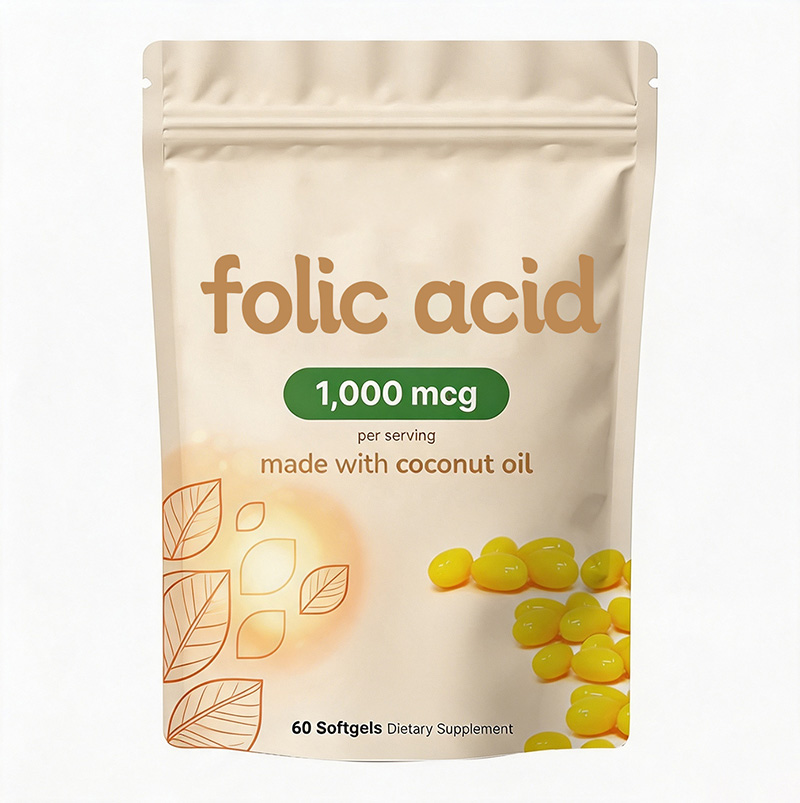
A softgel encloses an oily, suspension or paste fill inside a continuous gelatin or plant-based film, hermetically sealed against oxygen and light. Three advantages define it. It carries high doses of lipid actives such as fish oil, evening primrose oil, vitamin D3, coenzyme Q10 and MCT. Disintegration is fast and bioavailability for lipophilic compounds is high. And the translucent, plump appearance gives strong shelf differentiation.
The barriers are real as well. Softgel production requires dedicated rotary die or drop-forming equipment along with gel mass preparation, drying and tumbling stages. The shell formulation - the ratio of gelatin, glycerin, water and opacifier - must be matched to the fill, or the result is oil bleed, clumping or brittle shells. Tooling costs and minimum order quantities are both substantially higher than for hard capsules, with a single SKU commonly starting in the hundreds of thousands of pieces.

Six Dimensions, Head to Head
Fill form: hard capsules take powders, granules and pellets, while softgels take oils, suspensions and pastes. Lipid capacity: low for hard capsules without special handling, high for softgels. Bioavailability: softgels favour fat-soluble actives. Vegan feasibility: hard capsules can use HPMC shells, softgels can use plant-based films based on modified starch or carrageenan, at a higher cost. Sampling lead time: one to two weeks for hard capsules, three to five weeks for softgels. Tooling and minimums: low for hard capsules, high for softgels.
Cost Structure
Hard capsule cost divides into three parts: the fill, meaning raw material cost, usually 60% to 75% of the total; the shell, where an HPMC 0 shell runs roughly two to three times the price of a gelatin equivalent; and the filling and packaging conversion cost. Scale effects are pronounced, and doubling the batch size brings a meaningful drop in per-capsule conversion cost.
Softgel cost adds two more components: shell material - gelatin, glycerin and plasticiser - and tooling amortisation. Softgel production also carries a reject rate, since start-up waste from the die process and off-specification capsules during setting are both costed into the run. Industry reject rates commonly sit between 3% and 8%, which is precisely why small softgel runs make poor economics.
When capsule OEM quotations vary widely, do not compare per-piece price alone. Ask specifically about shell material and size, whether the fill is charged at label value or at a loss-adjusted input value, whether stability studies are included, and what packaging format and desiccant configuration are assumed.
Selection Logic: Work Backwards from the Fill
If the formula is built on botanical extract powders, probiotic powders or multivitamin-mineral blends, choose a hard capsule: lower cost, shorter lead time, more flexibility. If the core actives are lipids or fat-soluble vitamins - fish oil, algal DHA, vitamins D3 and K2, coenzyme Q10, lutein esters, evening primrose oil - a softgel is close to the only rational answer. If the fill is a powder but you need a more premium appearance or odour masking, consider a hard capsule with enteric coating or a pellet-based coated system.
Two Common Pitfalls
The first is disintegration time. Hard capsules depend on shell dissolution, and excessive humidity during storage makes shells brittle while very low humidity softens them, shifting disintegration time in both directions. Temperature and humidity controls across storage and transport belong in the quality agreement.
The second is fill-and-shell compatibility. Aldehyde-containing materials cross-link with gelatin, which delays or even prevents shell dissolution. This rarely shows up during sampling and typically surfaces late in stability testing, which is why a competent manufacturer runs compatibility assessment at the formulation stage rather than after tooling is cut.
Related Products
Vitamin D3 K2 with Magnesium & Zinc Softgels | VITAMIN D3+K2 MAGNESIUM+ZINC Softgels OEM | Calcium + Magnesium + Zinc + Vitamin D3 Softgels | CALCIUM+MAGNESIUM+ZINC D3 Softgel OEM
About Guangzhou Mesen Health Biotechnology Co., Ltd
Guangzhou Mesen Health Biotechnology Co., Ltd is located in the Huashan Science and Technology Park, Huadu District, Guangzhou. The company has focused on OEM and ODM services for the big health industry for nearly 20 years, operating dedicated research, production, sales and management centres, and maintaining long-term strategic partnerships with well-known Chinese medicine colleges and research institutions. Capabilities span pressed candy, gummies, capsules, solid beverages, herbal teas, plant beverages, protein powders, dietary supplements and enzyme jelly - from formulation development through contract manufacturing. For details on minimum order quantities, sampling lead times and quotations, see our manufacturing advantages and product range, or contact us for a tailored proposal.
Further Reading