Choosing a Gelling System for Gummy OEM: Gelatin, Pectin and Carrageenan Compared
Gummies have been the fastest-growing dosage form in the nutrition category, largely because they turn supplementation into something that feels like a treat. Yet many brand owners approaching gummy OEM manufacturing for the first time start with flavour and shape, when the decision that actually determines success or failure is the gelling system. That single choice locks in texture, clarity, heat tolerance, shelf life, and even whether a vegan claim is possible at all.
Gelatin: The Best Elasticity, With Temperature and Dietary Limits
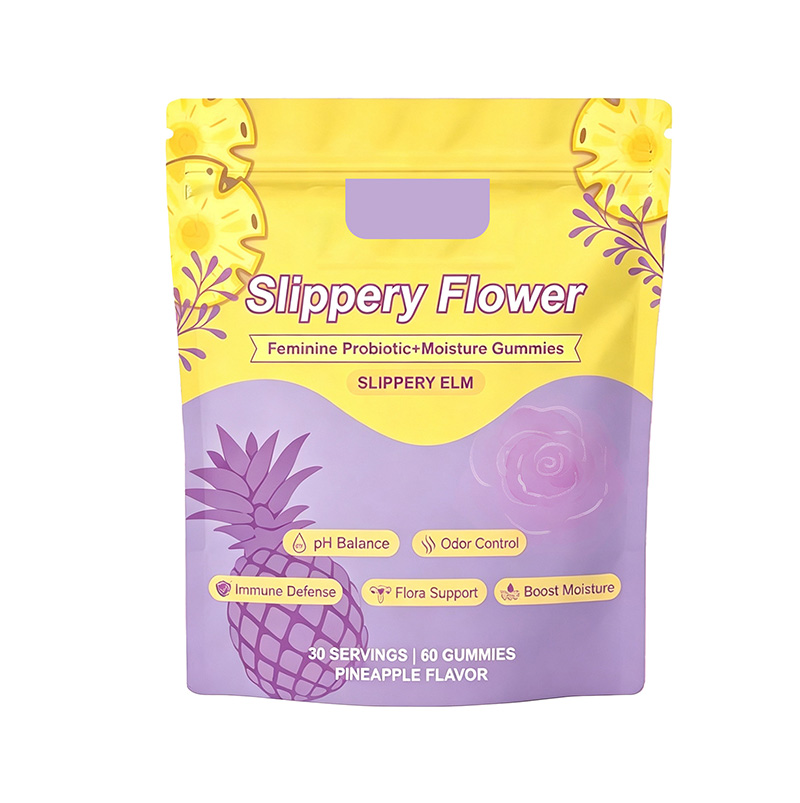
Gelatin is produced by hydrolysing animal connective tissue, and it remains the strongest gelling agent available in terms of elastic bounce. Its advantages are clear: excellent chew, high clarity, clean flavour release, and a controllable cost. The drawbacks are equally clear. Gelatin melts at roughly 35 degrees Celsius, so summer transport and warehousing without temperature control lead to clumping and deformation. Being animal-derived, it also rules out vegan, halal and kosher certification.
Gelatin suits brands pursuing a classic bouncy chew, targeting children or the mass market, and operating a logistics chain they can control. Collagen gummies and multivitamin gummies are typical applications.
Pectin: The Plant-Based Default, With Superior Clarity
Pectin is extracted from citrus peel, apple pomace and similar plant sources, so it qualifies naturally for vegan, halal and kosher claims. Its texture is tender-crisp with a clean bite rather than the long elastic rebound of gelatin, and its clarity is outstanding, which suits high-visibility fruit colours. Pectin is sensitive to pH and soluble solids content, giving a narrow cooking window that demands tighter process control from the factory, and it costs somewhat more than gelatin.
Pectin suits export-oriented brands selling into European and North American markets, products requiring vegan or halal certification, and concepts built around natural plant-based positioning.
Carrageenan: Between the Two on Texture
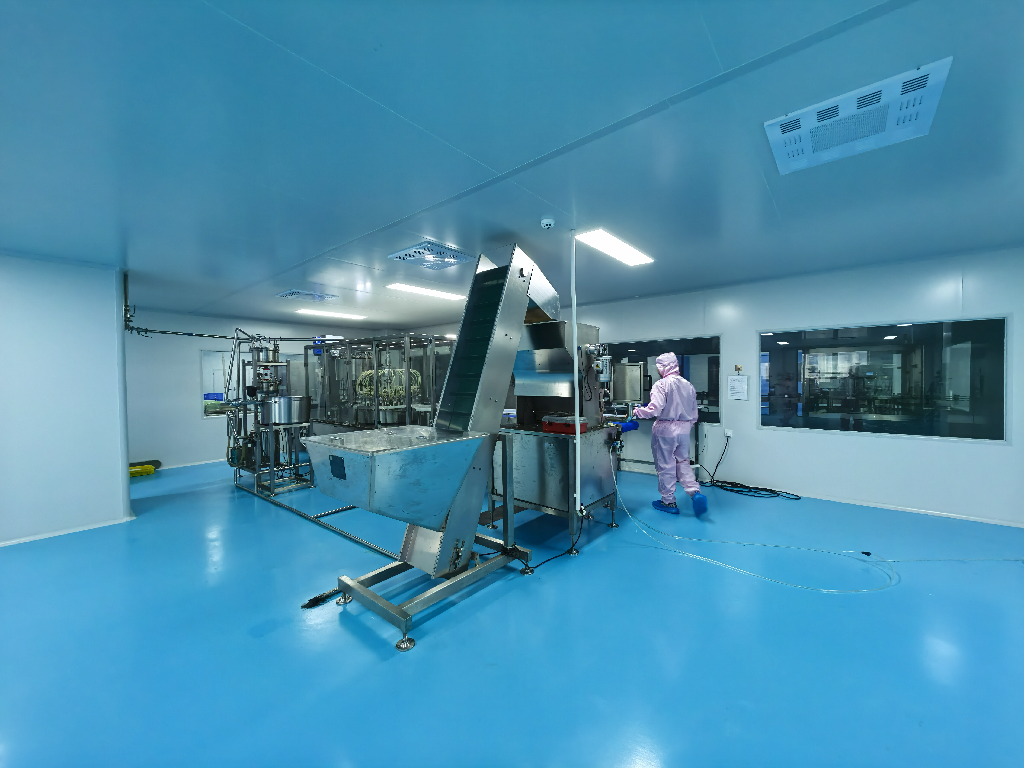
Carrageenan is extracted from red seaweed and is usually blended with locust bean gum or konjac gum. It delivers high gel strength and good water-holding capacity, producing a texture that is springier than pectin and firmer than gelatin, with better heat tolerance than gelatin. Its weakness is clarity, which falls short of both gelatin and pectin, and it tends to synerese - weep water - when used alone, so it depends on a blended system.
Carrageenan suits mid-tier product lines that need moderate heat resistance while avoiding animal-derived inputs.
Starch: The Traditional, Low-Cost Route
Starch gummies use modified starch as the primary gelling agent. The texture is soft and chewy, and setting is slow, requiring long drying times, with an oil or sugar coating applied afterwards. Cost is the lowest of all four systems and starch is vegan-compatible, but clarity is poor, flavour release is muted, and the texture lacks dimension. Starch gummies appear mostly in conventional confectionery rather than functional products. In gummy OEM projects it is rarely the first choice unless the budget is extremely tight or a specific traditional mouthfeel is required.
Blended Systems: What Actually Runs in Production
In real production, single-hydrocolloid systems are the exception. Experienced manufacturers work with blends: gelatin plus pectin to balance bounce against heat tolerance, pectin plus carrageenan to control syneresis while staying vegan, or gelatin plus modified starch to hold cost while preserving texture. The blend ratio is a core process parameter at each factory and is precisely what deserves the most scrutiny during sampling.
A Selection Checklist
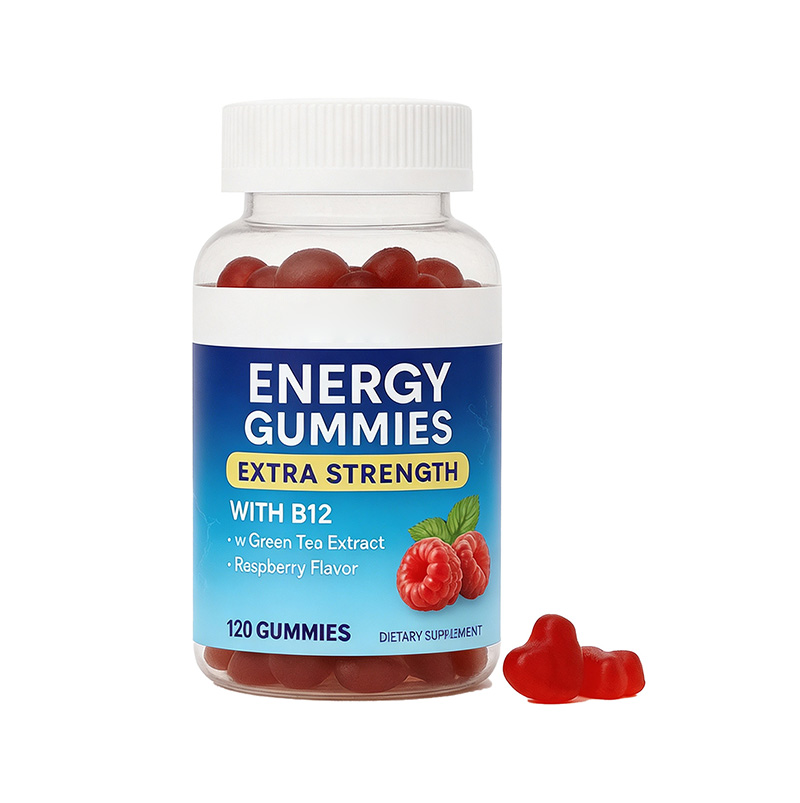
When choosing a gelling system, work through the following in order. First, does the target market require vegan, halal or kosher certification? Second, what is the heat exposure risk across logistics and retail, specifically whether summer temperatures exceed 30 degrees Celsius? Third, is the target texture bouncy, tender-crisp, or soft and chewy? Fourth, is high clarity needed to showcase fruit colours or layered effects? Fifth, what is the loading of functional actives, since high-dose minerals or lipid ingredients such as fish oil and MCT powder significantly affect gel strength.
Two Details That Are Often Overlooked
The first is water activity. Gummies typically carry 14% to 20% moisture, and if water activity is not controlled the product will grow mould or undergo sugar recrystallisation within months. A qualified manufacturer runs accelerated stability studies to lock down the upper limit.
The second is demoulding and polishing. After depositing, gummies must be demoulded and either oiled or sanded with sugar to prevent sticking, and the amount of oil applied directly affects both shelf-life clumping and mouthfeel. For sea freight with long transit times, this factor carries considerably more weight than most brand owners expect.
Related Products
Greens Gummies with Multivitamin, Spirulina & Prebiotic Fiber | GREENS GUMMIES Supplement OEM | Feminine Balance Probiotic Gummies with Cranberry | Feminine Balance Gummies OEM
About Guangzhou Mesen Health Biotechnology Co., Ltd
Guangzhou Mesen Health Biotechnology Co., Ltd is located in the Huashan Science and Technology Park, Huadu District, Guangzhou. The company has focused on OEM and ODM services for the big health industry for nearly 20 years, operating dedicated research, production, sales and management centres, and maintaining long-term strategic partnerships with well-known Chinese medicine colleges and research institutions. Capabilities span pressed candy, gummies, capsules, solid beverages, herbal teas, plant beverages, protein powders, dietary supplements and enzyme jelly - from formulation development through contract manufacturing. For details on minimum order quantities, sampling lead times and quotations, see our manufacturing advantages and product range, or contact us for a tailored proposal.
Further Reading