
Plant Beverage OEM Cost Breakdown: Puree Ratio, Bottle Format, Sterilisation and MOQ
Plant-based beverages have the least transparent quotation structure of any format in the category. Two factories quoting the same nominal 100 ml bottled drink can differ by more than a factor of two, which leaves brand owners with little to go on beyond negotiating instinct. From the manufacturing side, that spread is not mysterious - almost all of it comes from five quantifiable variables: puree inclusion, packaging, sterilisation route, batch size, and testing scope. This article takes a plant beverage OEM quotation apart, showing where each unit of currency goes, which items have negotiating room, and which can only be reduced by giving up quality.
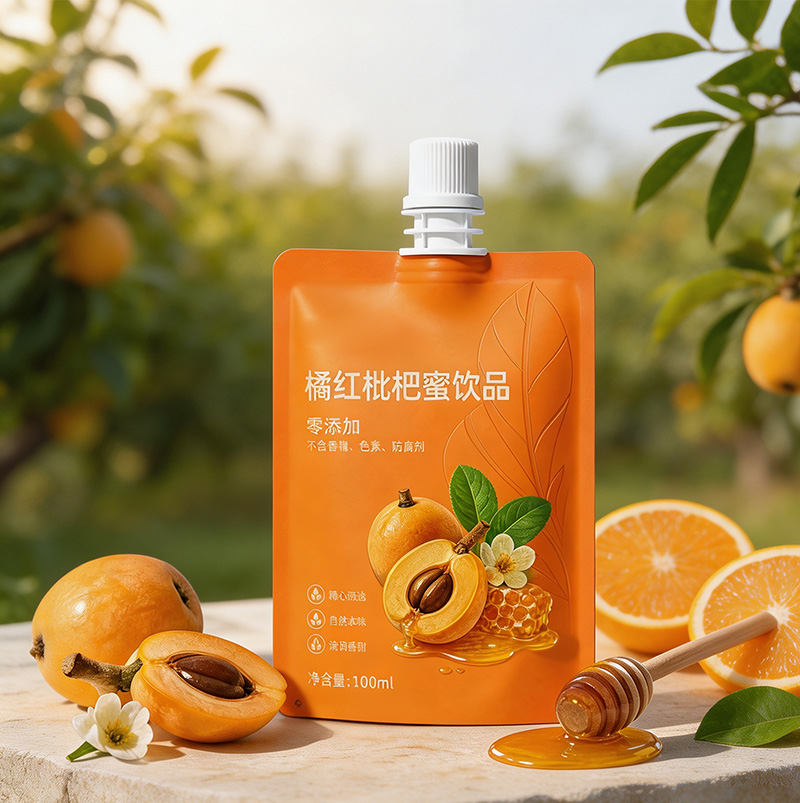
Puree ratio: the largest variable and the easiest to quietly reduce
Raw materials typically account for thirty to fifty percent of total cost in plant beverages, and the dominant factor within that is the inclusion rate of puree or extracted liquid. With high-value materials such as dendrobium, sea buckthorn, blueberry or mulberry, moving the puree inclusion from ten to thirty percent can more than double the raw material cost per bottle. This is the single largest source of price difference between quotations, and the hardest one to detect from the finished product.
The most effective thing a brand owner can do here is to write the puree inclusion rate into the contract and technical annex as a number, rather than a statement that the product "contains" a given puree. Pair it with a verification method - a minimum level for a quantifiable marker such as polysaccharides, anthocyanins or total flavonoids - and agree a sampling rule. Without that clause, a factory competing on price can reduce the inclusion rate without any perceptible change in taste, and neither the brand nor the consumer will notice for months.
A second variable is often overlooked: the form of the material. fresh-pressed puree, reconstituted concentrate, aqueous extract concentrate and reconstituted powder represent four routes with cost and flavour retention descending in that order. It has to be stated at quotation stage, because "the same puree ratio" means different things under different processes.
Packaging: bottle format, capacity and line compatibility
Packaging typically runs fifteen to thirty percent of cost. PET is the most economical; glass gives the best presentation but its weight and breakage rate push logistics cost up; aluminium cans suit carbonated products but carry high minimum orders. On format, stock moulds carry no tooling charge while custom shapes start at tens of thousands of RMB and usually tie the buyer to a minimum purchase commitment. What brand owners tend to miss is line compatibility: if the chosen bottle does not suit the existing filler, the line needs changeover or the star wheel modified, and that arrives in the quotation as a changeover charge. Asking which formats a plant's lines can run beats arriving with a finished design and hoping. Closures, labels, shrink film and cartons should be costed line by line too, since their share rises noticeably on small runs.
Sterilisation: capital outlay against per-bottle cost
Sterilisation is the technical core of plant beverages and the main cost watershed. Three routes dominate. Pasteurisation, at eighty-five to ninety-five degrees for fifteen to thirty minutes, has the lowest equipment cost and the lowest per-bottle cost, but a short shelf life that usually requires cold chain. UHT, at one hundred thirty-five to one hundred forty degrees for a few seconds combined with aseptic cold filling, delivers six to twelve months ambient shelf life but demands an expensive aseptic line and high pack cleanliness. Retort sterilisation after filling, at one hundred twenty-one degrees for fifteen to thirty minutes, has the lowest equipment threshold and a long shelf life, but the greatest impact on flavour and colour, which rules it out for heat-sensitive formulations.
In cost terms, retort has the lowest capital requirement and the worst flavour retention; aseptic UHT carries the heaviest fixed asset but its unit cost amortises well at volume. The real selection criterion is not which is cheapest but what the product's positioning demands in shelf life and distribution. Ambient e-commerce fulfilment essentially forces UHT or retort. Local cold chain or short-shelf-life retail channels favour pasteurisation, which also tastes better.
Batch size: changeover loss is the hidden driver
Every production run begins with cleaning in place, sterilisation, filler set-up and first-article rejection. The time and material consumed there is changeover loss. It is independent of batch size, which makes it a fixed cost, and a line's changeover loss typically runs to several hundred or even a thousand bottles. The smaller the batch, the more that loss is loaded onto each unit. This is the economic origin of the minimum order quantity - not an arbitrary barrier, but the point below which unit cost climbs steeply.
The negotiating room is in scheduling rather than price: a longer lead time that lets the factory combine small orders, or low-season scheduling, often beats any direct discount request. Reducing SKU count cuts changeover cost just as effectively.
Testing and compliance: not the place to economise
Per-batch physicochemical and microbiological testing, type testing, third-party reports, label review and filing support add up to a modest absolute cost, but their share rises sharply on small batches. Some brand owners ask for the testing scope to be reduced to shave the price. It is the least economical saving available, because in a quality dispute the party without data is at an absolute disadvantage in establishing liability.
Export orders add documentation cost: certificate of origin, phytosanitary certificate, health certificate, certificate of analysis and destination-country label compliance review. These are usually charged per shipment, and who bears them should be settled at quotation stage.
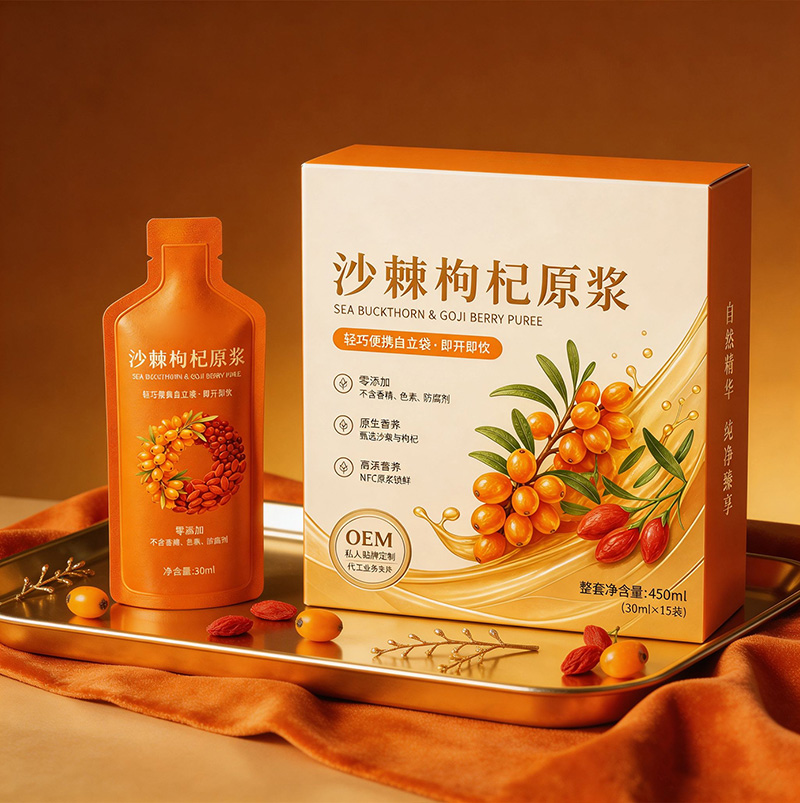
How to read a quotation
Assembled, a sound plant beverage OEM quotation should decompose into: raw material specification with inclusion rate, packaging specification with unit prices, conversion fee including the sterilisation route, testing items and charges, minimum order quantity with volume tiers, and payment and delivery terms. A quotation that consists of a single figure - X per bottle - will generally not survive detailed questioning.
The right way to negotiate is to work the variables, not the total. Trade volume for a better tier. Trade lead time for scheduling priority. Simplify packaging to cut secondary material cost. Use a stock bottle and avoid tooling entirely. The three items to hold firm on are puree ratio, sterilisation route and testing scope, because on those, a lower price is a lower product.
For brand owners, understanding the cost structure of plant beverage OEM is not about driving the price to the floor. It is about spending where the consumer can tell the difference. Three yuan of cost invested in puree inclusion and three yuan invested in bottle shape produce entirely different market responses.
Related Products
Milk Thistle, Kudzu & Turmeric Beverage with Sea Buckthorn Puree & Honey | Herbal Oral Liquid OEM | Liquid Fruit & Vegetable Salad Fiber Drink | Dietary Fiber Meal Replacement Vegetable Juice Beverage OEM
About Guangzhou Mesen Health Biotechnology Co., Ltd
Guangzhou Mesen Health Biotechnology Co., Ltd is located in the Huashan Science and Technology Park, Huadu District, Guangzhou. The company has focused on OEM and ODM services for the big health industry for nearly 20 years, operating dedicated research, production, sales and management centres, and maintaining long-term strategic partnerships with well-known Chinese medicine colleges and research institutions. Capabilities span pressed candy, gummies, capsules, solid beverages, herbal teas, plant beverages, protein powders, dietary supplements and enzyme jelly - from formulation development through contract manufacturing. For details on minimum order quantities, sampling lead times and quotations, see our manufacturing advantages and product range, or contact us for a tailored proposal.
Further Reading




