
Seal Integrity in Solid Beverage OEM: Stick Packs, Jars and Leak Testing
Solid beverage packaging looks simple, yet it produces more leak complaints than any other step. The powder is fine and free-flowing, and if even a little of it reaches the sealing zone the heat-seal layers cannot fully fuse, leaving a weak seal that is invisible to the eye. After transport vibration and stacking, powder starts to work through it, and the first carton opened on the shelf reveals a layer of white dust. Many factories blame the film, change suppliers, and see the problem return, when the real cause is usually sealing temperature, pressure and time not matched to the film structure and powder behaviour, or a filling and sealing sequence that leaves no room to clear the seal area. This is how sealing verification, leak testing and batch release work for stick packs and jars in solid beverage OEM.
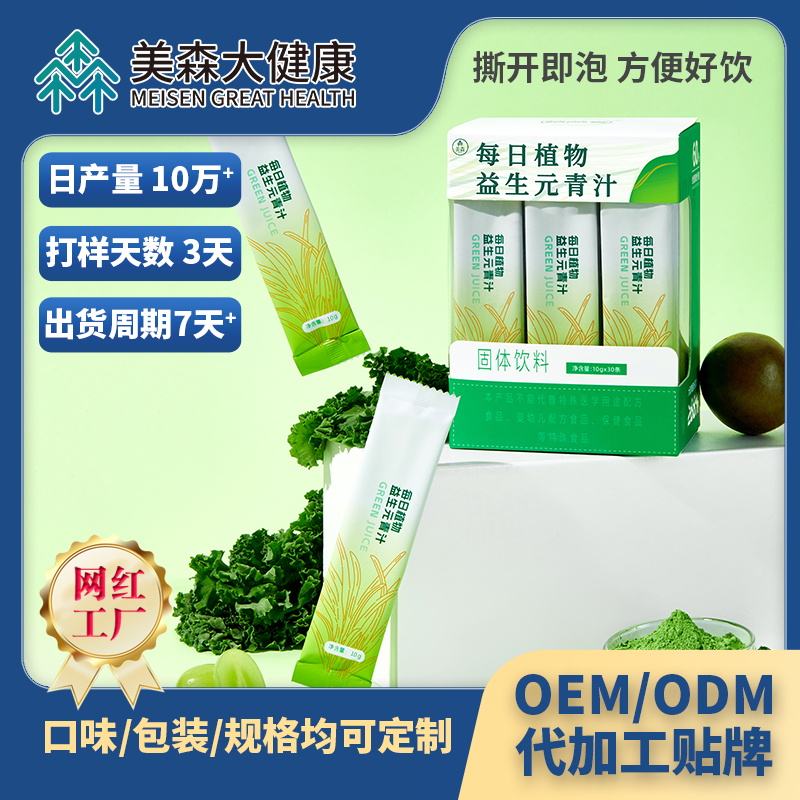
Three causes of a weak seal
Weak seals come from three sources. The first is trapped powder. When powder sits in the sealing zone, the heat-seal layers are separated by a layer of particles, and a channel forms as the seal cools. This is the most common cause on stick pack lines and the hardest to see. The second is a mismatch of temperature, pressure and time. Too cool and the layers do not fuse; too hot and the film thins or develops micro-perforations; uneven pressure gives a seal width that varies along the pack. The third is a mismatch between film structure and machine. Laminate thickness and heat-seal layer material have to suit the sealing method, and changing supplier or gauges without re-tuning usually weakens every seal on the run. Only the third needs a new material; the first two are shop floor problems.
Stick packs: trapped powder and three settings
Stick packs generate the most leak complaints. There is a travel distance between the end of filling and the start of sealing, and powder tends to become airborne along that path and settle in the seal area, so the machine normally needs an air knife or extraction head to clear the zone before the jaws close. The three sealing settings must be set against the actual film structure and verified by seal strength and integrity rather than carried over from the previous film. Longitudinal and transverse seals often need different temperatures, because the cross seal cuts the pack while fusing both sides and is more sensitive to temperature and blade sharpness. Watch the reliability of powder-in-seal alarms and reject devices too, since a failed reject lets defective packs run straight into finished goods.
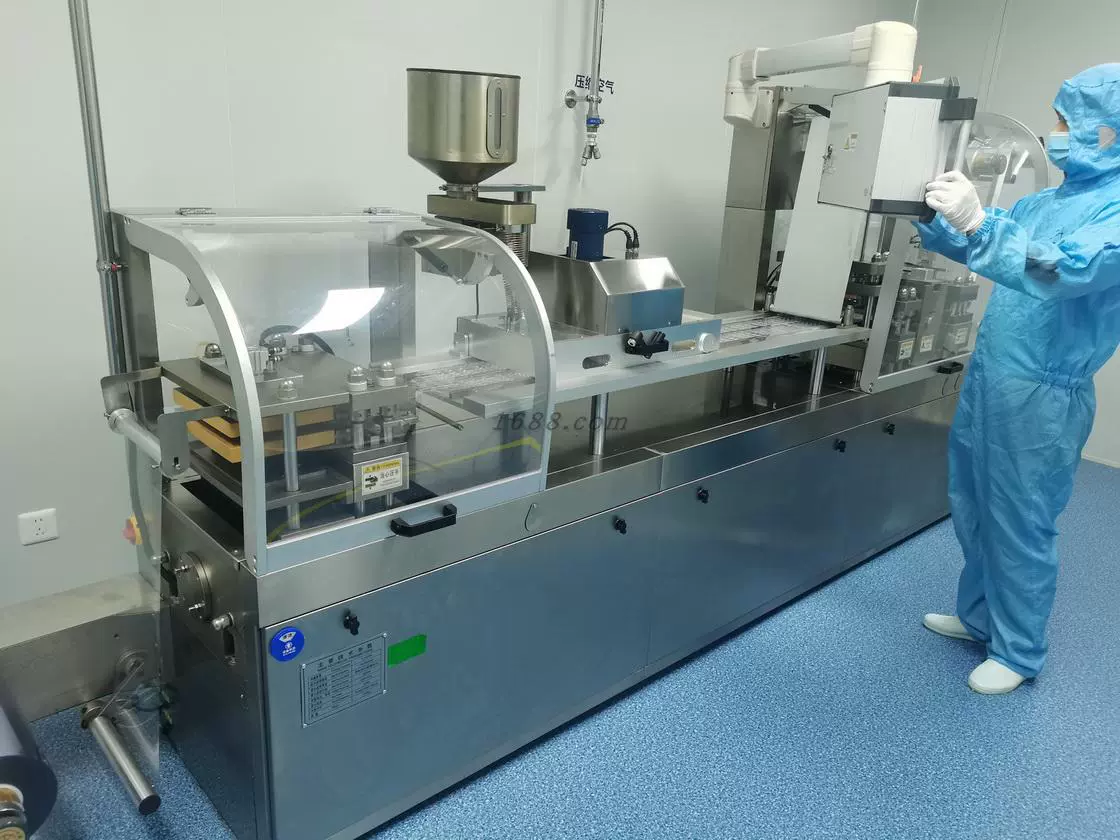
Jars and bottles: sealing surfaces and torque
Jars and bottles fail differently. Here the seal depends on the fit between lid and container, and the tightness of the seaming or capping operation decides performance: too little torque and the pack takes in air and moisture, too much and the liner is damaged. For induction-sealed foil lids, check power, dwell time and how clean the foil surface is. A good seal peels away in one complete piece; partial fusing or tearing points to a setting or film problem. Bottles also need the neck checked for powder residue, because powder on the rim prevents the sealing surface from seating properly, and clearing the neck after filling is not optional. When a jar seal fails, the caking complaints tend to arrive in a tighter cluster than they do for stick packs.
Choosing a leak test method
Leak testing follows the pack format. For pouches and stick packs the usual method is vacuum testing: submerge samples in water, pull a vacuum and watch for a steady stream of bubbles. It is simple but only suitable for sampling. Seal strength can be measured by peel testing, which gives a comparable number. For jars, positive pressure or vacuum decay testing works better, since a change in pressure reveals whether a leak path exists. Finished cartons can be retested after drop and stacking trials, so leak checks follow a simulated transport cycle and come closer to real failure conditions. The methods do not replace one another: strength tests describe the seal itself, while leak tests describe the integrity of the whole pack, and the two are normally used together.
Batch decisions and sampling
The value of leak testing is in deciding whether a batch can be released, so the sampling plan has to be fixed in advance. Trigger verification at defined points: a sealing parameter change, a film change, a new batch, or after equipment repair, rather than once before dispatch. When a failure appears, trace the sealing records and equipment status for the same batch first, then decide between rework and rejection. For product already packed, work backwards by time window to establish the affected range instead of handling only the samples that failed. Retention samples should be kept to the end of shelf life, so later complaints can be compared and a repeat problem can be confirmed as the same root cause.
Making sealing a verifiable routine
Turning sealing into a managed routine needs three things: parameter records, equipment checks and operator confirmation. Sealing temperature, pressure, time and cooling conditions should be recorded by product and checked against the table at every changeover. Sealing jaws, heating elements and temperature controllers need scheduled inspection and a defined replacement cycle. Operators should perform a first-piece check after start-up and after changeover, covering appearance, seal width and peel feel. Where possible, keep a photograph of that first piece and the judgement alongside the record, so a complaint can be traced quickly to parameter drift or to a single abnormal pack instead of triggering a full investigation.
Powder leaks in solid beverages are rarely solved by buying a more expensive film. Clean the seal area, set the three parameters against the film structure, and turn leak testing and sampling into a routine, and the great majority of leaks are caught before the product leaves the factory. For a brand, the practical move is not to assign blame after a complaint but to ask for sealing verification records and leak test results at the sampling and first-production stage, and to treat that capability as a specific, checkable item when selecting a manufacturer.
Related Products
White Kidney Bean Black Coffee Latte Powder | Instant Keto Enzyme Coffee Solid Beverage OEM Private Label | Protein Berry Meal Replacement Shake Powder | Satiety Smoothie Solid Beverage Custom OEM
About Guangzhou Mesen Health Biotechnology Co., Ltd
Guangzhou Mesen Health Biotechnology Co., Ltd is located in the Huashan Science and Technology Park, Huadu District, Guangzhou. The company has focused on OEM and ODM services for the big health industry for nearly 20 years, operating dedicated research, production, sales and management centres, and maintaining long-term strategic partnerships with well-known Chinese medicine colleges and research institutions. Capabilities span pressed candy, gummies, capsules, solid beverages, herbal teas, plant beverages, protein powders, dietary supplements and enzyme jelly - from formulation development through contract manufacturing. For details on minimum order quantities, sampling lead times and quotations, see our manufacturing advantages and product range, or contact us for a tailored proposal.
Further Reading




