Tablet Press Selection in Pressed Candy OEM: Models, Tooling, Capacity
On a pressed candy line the tablet press sets the ceiling on output, and it is also the machine buyers understand least. Many brands ask whether a factory has a press but never ask about the model, the number of stations or the running speed, then watch a promised lead time slip once the season peaks. Choosing a press is not a matter of tonnage. Tablet size, target weight, batch size and the pace of the equipment before and after it all have to be worked out together. The same machine with sixteen stations and with twenty-seven differs in theoretical output by nearly a factor of two, and moving to a high-speed model raises the demands on granule flow, weight consistency and dust extraction at the same time. This is how model matching, station count and capacity maths work in pressed candy OEM.

Presses come in three tiers
Tablet presses fall into three tiers: single-punch, standard rotary and high-speed rotary. Single-punch machines are simple and quick to change over, which suits sampling and small trial runs, but a few thousand tablets an hour is nowhere near enough for a real order. The standard rotary press is the workhorse of a contract manufacturer, with station counts from the mid-teens to the mid-thirties matched to tablet size, giving hourly output from tens of thousands to well over a hundred thousand. High-speed models turn faster but demand far more from the material. Granule flow, particle size distribution and moisture all have to be stable, or weight variation grows with speed, and the machine needs stronger dust extraction and stricter cleaning routines. The first step in selection is matching the target batch to the right tier rather than chasing the highest speed.
Stations and speed are the two multipliers
Theoretical output on a rotary press is station count multiplied by speed and by running minutes, and both multipliers are constrained. Station count is limited by turret diameter and punch size: larger tablets occupy more of the turret, so fewer stations fit, and a large irregular shape can top out in the early teens. Speed is limited by compressibility and machine rigidity. Faster running shortens dwell time, so hardness and friability both suffer, and forcing the speed usually buys a higher reject rate. The right question in a selection review is therefore not how fast the machine can go, but what sustainable speed it holds while meeting the target weight and hardness, and what output that speed actually delivers.
Capacity must be counted on running time
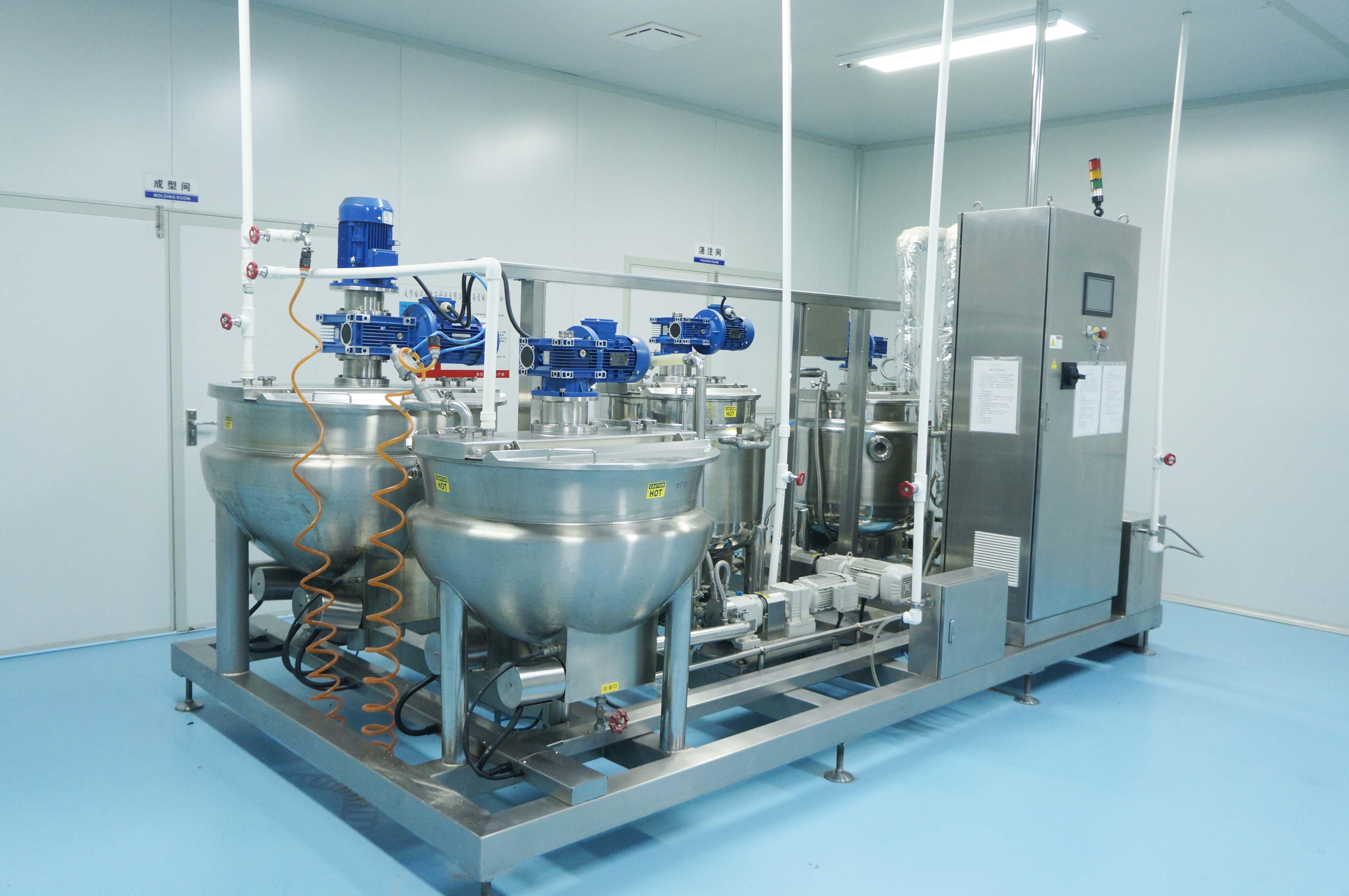
Treating theoretical output as real output is the most common error in quotation and lead-time talks. Real capacity loses time to batch changes, tooling changes, cleaning, tuning and routine maintenance, and it also loses yield to overall equipment effectiveness and to rejects. Overweight or underweight tablets, chipped edges and sticking all cut into the finished count. A safer approach is to multiply theoretical output by an experienced factor to reach a daily figure, then discount it again for the real rhythm of multi-product scheduling. Where changes are frequent, changeover can take longer than running, and the subject stops being machine output and becomes line scheduling.
Upstream and downstream steps set the real output
A press sits in the middle of the line, and if the steps around it cannot keep up, its speed is irrelevant. Upstream is granulation and final blending: the batch size decides how long the press can run without stopping, and if one blend only covers two hours, constant stops for refills wipe out the advantage. Downstream are metal detection, checkweighing and packing. When the packing line runs slower than the press, the difference has to sit in buffer bins, and without enough buffer the press simply slows down and waits. Dust extraction and dehumidification are capacity constraints too, because poor dust control interrupts continuous running while high humidity makes hygroscopic formulas stick to the punches.

Three matches that get missed
The first is the match between tooling and tablet shape. Once punch specifications are fixed, changing the shape later usually means new tooling and new parts, so cost and lead time have to be recalculated, and shape is best settled at the selection stage. The second is the match between material and machine capability. Formulas built on extracts and sugar alcohols vary widely in compressibility, and direct-compression grades behave nothing like standard excipients on a high-speed press, so a review should test the real formula rather than standard material. The third is the match between batch size and machine size. For small, multi-product orders a large high-speed turret works against you, with long changeovers and costly cleaning; a mid-size machine with flexible scheduling fits better.
Put capacity into the agreement
Conclusions about capacity only bind once they are written down. It is worth setting out in the agreement the machine model and tooling configuration, the agreed economic speed and the basis for daily output, the time standards for changeover and cleaning, how peak-season capacity will be reserved, and what happens if actual output stays below the agreed figure. Ask the factory for its equipment register and recent running records as well, so the model discussed in negotiation is the model actually scheduled. Where several products run at once, agree a scheduling priority by product and move the most obvious clashes forward.
Choosing a tablet press is a trade-off between output and flexibility. Speed and station count create capacity, while material condition and the surrounding steps decide whether that capacity is actually delivered. A brand does not need to understand machine design, but it should ask which model suits the target shape, what daily output the economic speed gives, how long a changeover takes, and whether the adjacent steps can keep up. Ask those questions, write the answers into the agreement, and most disputes over lead time and price disappear.
Related Products
Glycerol diester coffee OEM OEM OEM OEM OEM meal replacement coffee MCT live broadcast same solid beverage source manufacturer | GLP-1 Semaglutide Satiety & Fat Blocker Tablets | Custom Pressed Candy OEM Manufacturing
About Guangzhou Mesen Health Biotechnology Co., Ltd
Guangzhou Mesen Health Biotechnology Co., Ltd is located in the Huashan Science and Technology Park, Huadu District, Guangzhou. The company has focused on OEM and ODM services for the big health industry for nearly 20 years, operating dedicated research, production, sales and management centres, and maintaining long-term strategic partnerships with well-known Chinese medicine colleges and research institutions. Capabilities span pressed candy, gummies, capsules, solid beverages, herbal teas, plant beverages, protein powders, dietary supplements and enzyme jelly - from formulation development through contract manufacturing. For details on minimum order quantities, sampling lead times and quotations, see our manufacturing advantages and product range, or contact us for a tailored proposal.
Further Reading