
Seal Integrity in Protein Powder OEM: Testing, Leaks and Sealing
Protein powder packaging problems rarely show up at the factory gate; they appear after the goods reach a warehouse or a shelf. The reason is physical: the powder absorbs moisture readily, its fat content oxidises, and fine particles escape on air currents, so seal requirements are stricter than for most powder drinks. A channel too small to see is enough to cause caking, flavour deterioration or swollen packs across a batch within weeks. In protein powder contract manufacturing, seal integrity should be a routine process control point rather than a sampling item. This article covers the two measures of a seal, leak test methods, sealing parameters, container differences, transit troubleshooting and a validation scheme.
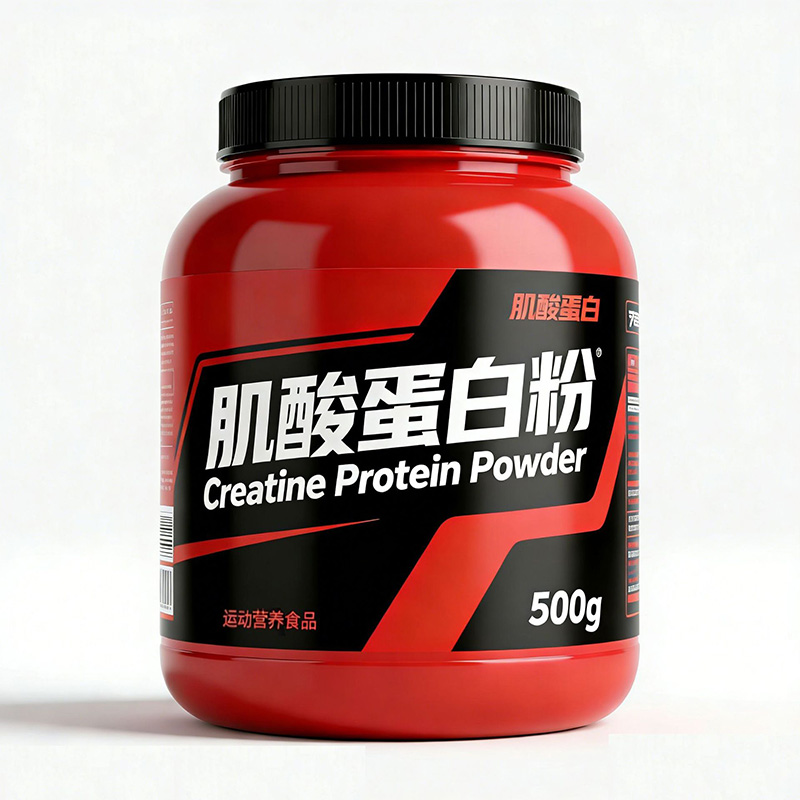
Two dimensions of a good seal
Seal quality is judged on integrity and strength. Integrity means the seal has no channels, trapped material, wrinkles or unfused zones, and it determines whether the pack blocks outside moisture and oxygen. Strength means the peel or tensile force the seal can withstand, and it determines whether the seal survives transport, stacking and compression. The two do not substitute for each other. A strong seal with a particle trapped across it has already lost integrity, and a seal that is sound but over-heated and embrittled will crack on impact. The sound approach sets both: integrity by leak detection, strength by peel testing, and release only when both pass. Judging by feel while pulling the seal apart is a common source of error.
Choosing a leak test method
Method follows pack format and internal state. For rigid containers with headspace gas, vacuum testing works well: place the sample in vacuum and watch for distortion or a continuous stream of bubbles at the seal, which is easy to read. For flexible packaging, positive pressure is more common, either pressurising the pack to observe leakage or using submerged bubble testing. For certain structures, dye penetration locates the channel itself, which suits failure analysis rather than batch inspection. Balance sensitivity against throughput: highly sensitive laboratory methods rarely suit full in-line inspection, so practice runs a fast judgement in production for routine monitoring and a sensitive method in the lab for periodic verification and investigation. The two layers work together.
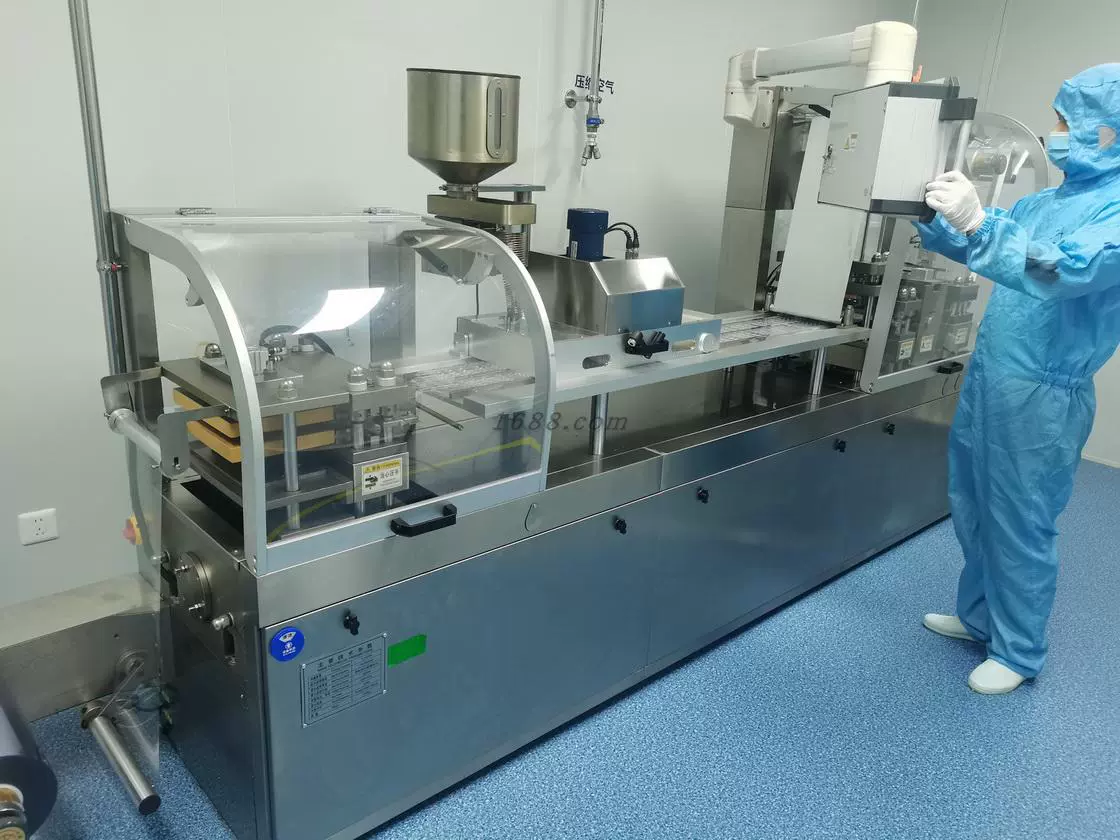
Setting the three sealing parameters
Heat seal quality comes from temperature, pressure and dwell time together. They compensate for each other within limits but cannot be swapped freely. Too little temperature leaves the material unfused, giving low strength and open channels; too much over-melts or chars the surface, embrittling the seal so it cracks as it cools. Insufficient pressure leaves the two layers not fully in contact, creating local unsealed areas; excessive pressure squeezes molten material out of the seal area and weakens it too. Dwell time governs heat transfer: thicker film and faster line speed need more time. Set parameters in order - establish the temperature window from the material structure, match pressure and dwell, verify with peel strength and leak testing, then freeze the settings on the machine card. Re-validate whenever the film supplier changes: even with identical specifications, resin formulation and thickness tolerance shifts move the sealing window.
Where each pack format fails
Different formats fail in different places. Cans rely on seaming or capping, so risk concentrates in the lid-to-can fit, gasket integrity and torque consistency; too little torque loosens, too much damages the gasket or makes opening hard. Laminated pouches rely on seal edges, where the risks are trapped powder, wrinkles and uneven heat, and the more complex the pouch, the more likely the corners and gussets are weak. The spout weld on a stand-up pouch is another hotspot that cracks under compression. Stick packs are most prone to trapped powder where cross seals meet longitudinal seals, and cutting position deviation changes seal width. Knowing these differences puts your checks where they matter.
Troubleshooting transit leaks in order
When leaks only appear after delivery, work a fixed sequence instead of blaming the film first. Step one, check the sealing parameter record for the batch: were temperature, pressure and dwell inside the window, and were there stoppages and restarts? Step two, inspect the machine: seal jaw flatness and temperature uniformity, silicone pad ageing, film tension stability. Localised jaw wear is a common cause of isolated weak seals. Step three, check material state: is powder left in the seal zone, is fill weight stable, since overfilling pushes powder onto the seal line. Step four, check the operation: web tension at loading, tracking drift, how finished packs are stacked and handled. Step five, only then return to the packaging material and confirm no lot, thickness or resin structure change. Most problems are located in the first two steps.
Designing the validation scheme
Build seal validation in three stages. First, incoming verification: run seal window and peel strength tests on each new film or container lot to confirm the usable parameter range. Second, routine line monitoring: pull finished packs at a fixed frequency for leak testing, log the data, and intervene on a trend rather than waiting for a failure to stop the line. Third, periodic validation: simulated transport and accelerated storage tests reproducing drop, vibration, stacking and humidity swings from real logistics, to see whether the seal fails under combined stress. Three stages cover the path from material to delivery, and skipping any one leaves a blind spot. For export orders, include destination climate in the transport simulation so it reflects the real environment.
Seal integrity in protein powder is best managed as a measurable, verifiable, traceable process parameter rather than an operator skill. Set both integrity and strength targets, match the leak method to the pack format, fix the heat seal window from the material structure and freeze it on a parameter card, aim checks at each format's known weak points, troubleshoot in the order of parameters, machine, material, operation and finally packaging, and cover the whole path with three-stage validation. It costs little and prevents the kind of loss that cannot be recovered - a full batch returned.
Related Products
Whey Protein Isolate with Vitamin B6 & B12 and Yeast Protein | Fitness Supplement OEM/ODM Source Manufacturer | Whey Protein Powder | Sports Nutrition Dietary Supplement Custom OEM
About Guangzhou Mesen Health Biotechnology Co., Ltd
Guangzhou Mesen Health Biotechnology Co., Ltd is located in the Huashan Science and Technology Park, Huadu District, Guangzhou. The company has focused on OEM and ODM services for the big health industry for nearly 20 years, operating dedicated research, production, sales and management centres, and maintaining long-term strategic partnerships with well-known Chinese medicine colleges and research institutions. Capabilities span pressed candy, gummies, capsules, solid beverages, herbal teas, plant beverages, protein powders, dietary supplements and enzyme jelly - from formulation development through contract manufacturing. For details on minimum order quantities, sampling lead times and quotations, see our manufacturing advantages and product range, or contact us for a tailored proposal.
Further Reading




