
Raw Material Preparation in Plant Beverage OEM: Washing and Colour
Arguments about plant beverage quality often end at raw material preparation. Use fruit and vegetables processed the same day and the same recipe delivers fuller aroma, better colour and more body than material held and then thawed. Preparation looks like basic washing, cutting and colour protection, but it fixes the condition of the material as it enters extraction or pulping - and downstream processing cannot rescue material that has already deteriorated. In plant beverage contract manufacturing, preparation offers the best return per unit of effort and is also the stage most often compressed when a shipment is late. This article covers washing and grading, colour protection timing, freezing and thawing, intake alignment, hygiene and verification.
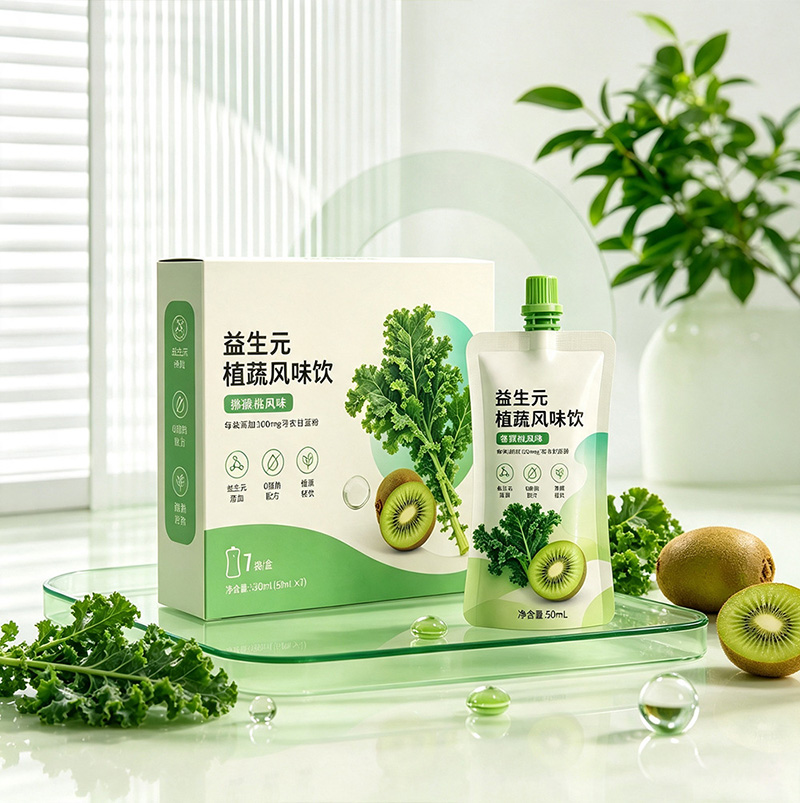
Washing and grading control points
Washing is not only about removing soil; it removes surface microorganisms, pesticide residues and foreign matter. Typical combinations are bubble washing, spray rinsing and brush rollers, with peeling added for root crops. Several control points matter. Water change frequency directly affects cleaning performance, because water recirculated too long becomes a contamination source itself. Water temperature and contact time must be balanced: too short and cleaning fails, too long and water-soluble components leach while tissue softens. Grading should run alongside washing, removing mouldy, insect-damaged and immature units, since one bad fruit spreads off-flavours through its juice. Write the parameters into the work instruction and set an objective criterion for changing water - colour or turbidity - instead of leaving it to operator judgement.
When to apply colour protection
Once fruit or vegetables are cut, enzymatic browning proceeds quickly: polyphenol oxidase catalyses oxidation and polymerisation of phenolics under oxygen, and cut surfaces darken. Protection works by inhibiting the enzyme or excluding oxygen, using heat to denature the enzyme, pH adjustment, reducing agents such as ascorbic acid, and limiting exposure time after cutting. Timing is everything. Protection must be applied as soon as possible after cutting; treat after visible browning and the benefit is largely lost, because the brown pigments formed cannot be reversed. Heat inactivation needs a defined temperature and time window - too little leaves the enzyme active, too much introduces a cooked note that dulls freshness. Reducing agent levels must balance protection against ingredient list requirements, so you do not add declarations purely to hold colour.
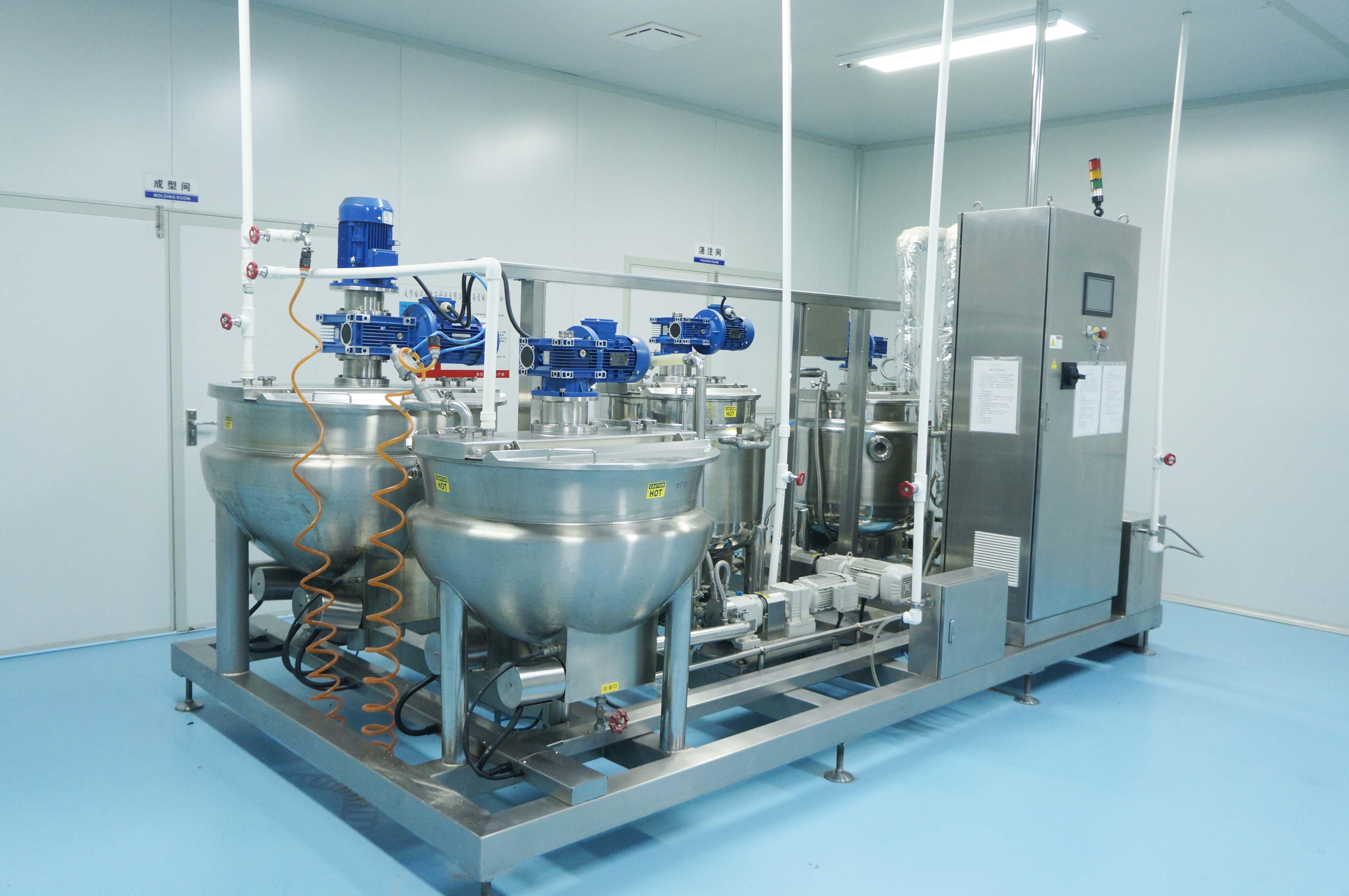
What freezing and thawing do to tissue
Frozen material is a standard way to balance seasonality against capacity, but freezing and thawing inevitably damage structure. Ice crystals form from the water inside the material, and crystal size tracks freezing rate: fast freezing gives small crystals and limited cell wall damage, while slow freezing gives large crystals that rupture cell walls, so thawing releases juice with softened texture, aroma loss and changed yield. Thawing method matters as much. Ambient thawing is slow and raises microbial risk; fast thawing shortens time but a steep temperature gradient worsens juice loss. A workable approach is slow thawing at low temperature with a controlled end point, then moving material straight to the next step. For flavour-critical products, assess frozen versus fresh material at formula stage and define an acceptable substitution ratio.
Aligning intake standards with preparation
Preparation results depend heavily on the state of incoming material, so intake specifications must match process requirements. Typical checks include sensory attributes, ripeness, moisture, impurity level and baseline microbiology, plus transport temperature records for perishable material. A common failure is a specification written too loosely - prohibiting mould but never defining a ripeness range or requiring temperature records - so different lots from the same supplier behave completely differently downstream. Put quantified criteria such as ripeness bands and soluble solids ranges into the specification and require temperature logs. Storage after intake needs a defined limit too: cap the time from arrival to use for perishables and keep it traceable in the system.
Hygiene and cross-contamination control
The preparation area handles wet, raw material and is among the highest-risk zones. Zoning is the foundation: separate washing, cutting, colour protection and holding, with one-way flow of people and material so washed product never travels back through a contaminated area. Tools and equipment need defined cleaning frequency and verification, and cutting blades and crevices are residue hotspots where end-of-shift strip-down must actually happen. Monitor the microbiological quality of wash water, especially where it recirculates. On lines running multiple materials, changeover cleaning must cover equipment, utensils and surfaces with residue sampling to verify - particularly important where allergens are present. Turn all of it into routine records and the risk stays contained at the front end.
Verifying preparation performance
Whether preparation is working needs measurable verification, not just confirmation that the procedure was followed. Verify on three levels. Sensory and physical: measure colour, soluble solids and juice yield of prepared material against a reference sample. Microbiological: test total counts and target pathogens after preparation to confirm washing and sanitation achieve the intended reduction. Yield: track usable yield from intake through preparation, since an unexpected drop usually signals tissue damage or an operating deviation. Record all three per batch and archive them, so if flavour or stability problems appear downstream you can trace back to the preparation state and judge whether the cause sits at the raw material end or in processing.
Preparation exists to carry the material's starting quality into the process as intact as possible. Make washing and grading parameterised rather than habitual, apply colour protection within the shortest time after cutting, control thawing to limit tissue damage, enforce intake standards aligned with the process, and hold hygiene and effectiveness with zoning and three-level verification. This work sits at the front of the line, costs little, and sharply reduces what you later spend correcting flavour, stability and shelf life.
Related Products
Milk Thistle, Kudzu & Turmeric Beverage with Sea Buckthorn Puree & Honey | Herbal Oral Liquid OEM | Liquid Fruit & Vegetable Salad Fiber Drink | Dietary Fiber Meal Replacement Vegetable Juice Beverage OEM
About Guangzhou Mesen Health Biotechnology Co., Ltd
Guangzhou Mesen Health Biotechnology Co., Ltd is located in the Huashan Science and Technology Park, Huadu District, Guangzhou. The company has focused on OEM and ODM services for the big health industry for nearly 20 years, operating dedicated research, production, sales and management centres, and maintaining long-term strategic partnerships with well-known Chinese medicine colleges and research institutions. Capabilities span pressed candy, gummies, capsules, solid beverages, herbal teas, plant beverages, protein powders, dietary supplements and enzyme jelly - from formulation development through contract manufacturing. For details on minimum order quantities, sampling lead times and quotations, see our manufacturing advantages and product range, or contact us for a tailored proposal.
Further Reading




