Film Coating in Pressed Candy OEM: Formula, Weight Gain, Defects
Coating is often treated as the decorative last step in tablet making, yet it also masks taste, blocks light and moisture, and carries the visual identity of the product. Get the formula and weight gain wrong and nothing downstream stays stable. A good coat is smooth, even in colour and pleasant to handle; a poor one ranges from mottling and orange peel to cracking and peeling, sometimes dragging disintegration and dissolution out of specification. In pressed candy contract manufacturing, the coating liquid and the spray parameters have to be tuned together - change one alone and the process usually gets worse. This article covers liquid composition, weight gain, machine settings, defect tracing, what the core must deliver, and release testing.
What goes into a film coating liquid
A film coating liquid has four parts: film former, plasticiser, colourant and solvent. Hypromellose is the workhorse film former, with polyvinyl alcohol and PVA copolymers as alternatives - the former gives a flexible, readily water-soluble film, the latter slightly better moisture barrier. Plasticisers such as polyethylene glycol, propylene glycol and glycerine set film flexibility. Too little and the film is brittle and cracks at the edges; too much and it turns tacky and tablets stick together. Colourants come as water-soluble dyes or lakes; lakes hide the core better and migrate less, so they suit pale shades or formulations that must mask a dark core. Purified water is the usual solvent, with a little ethanol added in some formulas to improve spreading. Solids are typically held between 10 and 20 percent: higher solids mean viscous spray and blocked guns, lower solids mean coating time doubles.
Setting the weight gain
Weight gain is the number that most rewards a disciplined approach, because it drives appearance, barrier performance and disintegration at the same time. Work from the requirement first, then the ceiling. If the goal is only appearance and feel, a modest gain is enough; if taste masking, light protection or moisture resistance is needed, the target rises. The ceiling comes from disintegration and dissolution: the thicker the coat, the longer the path for water into the core, and the easier it is to breach the disintegration limit. In practice: coat a small trial batch at an experience-based value and test appearance, disintegration and dissolution; repeat one step above and one below to find the band where appearance passes and disintegration still has margin; then write that band into the process specification and run routine production at the midpoint. Resist thickening the coat simply to chase gloss.
Tuning the pan and the spray
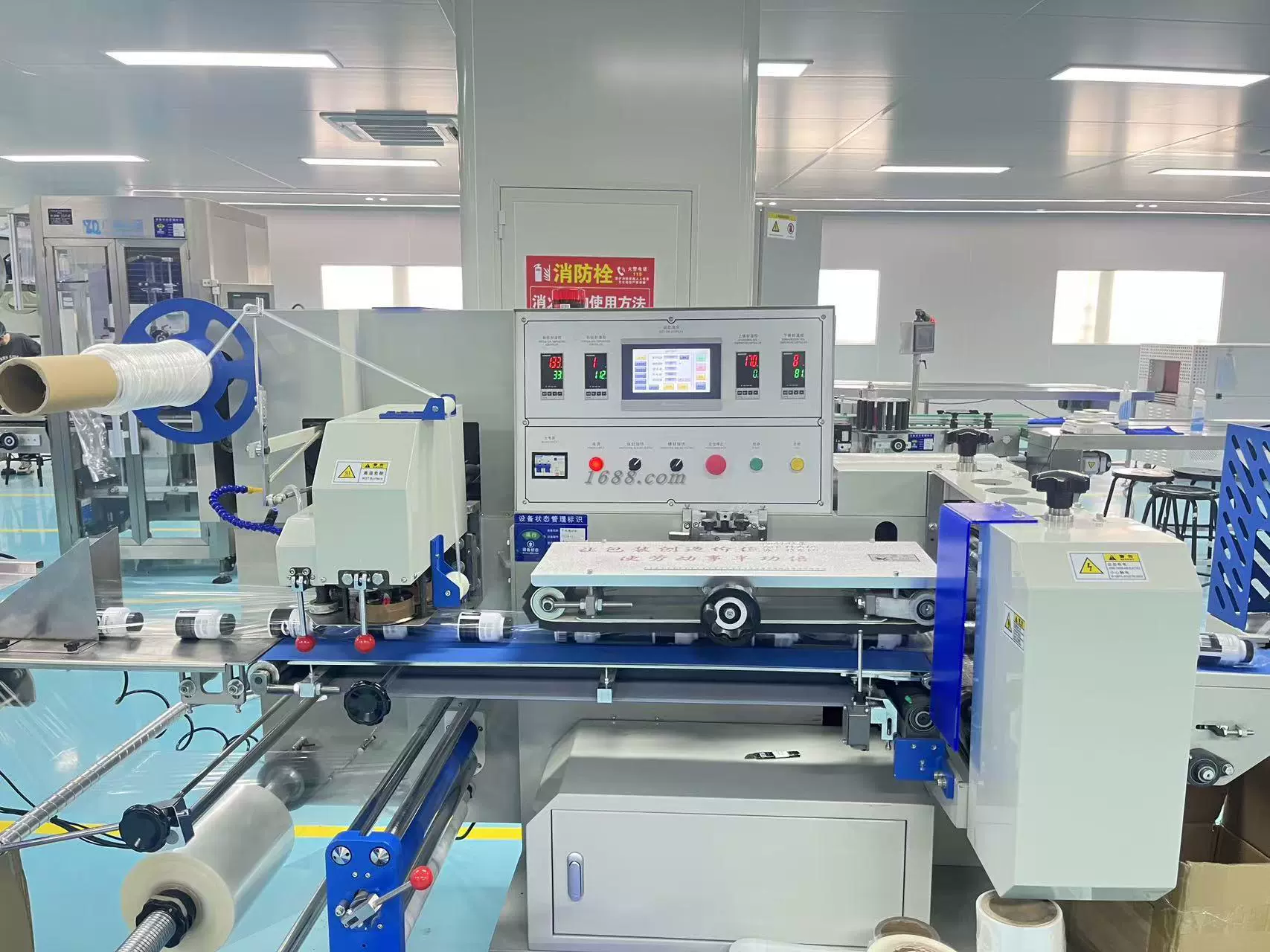
Four settings have to match: inlet and outlet air temperature, atomising pressure, spray rate and pan speed. Too hot and droplets dry before they reach the bed, producing a rough orange-peel surface; too cool and the bed stays wet and tablets stick to each other. Spray rate has to match drying capacity - spray fast on a slow-drying bed and tablets stick, spray slowly on a fast-drying bed and the run takes too long while attrition rises. Atomising pressure sets droplet size: large droplets spread unevenly and mottle, fine droplets drift away and waste material. Pan speed controls turnover and friction; faster pans turn the bed well but abrade edges, slower ones leave pockets that dry unevenly. The right sequence is temperature and pan speed first, then spray rate, then fine-tune the atomising pressure.
Tracing defects by symptom
Most coating defects can be traced backwards from the symptom. Mottling and uneven colour usually mean poor atomisation, excessive spray or insufficient drying, so droplets pool on the surface. Orange peel and roughness point to high atomising pressure and droplets that dry too early. Cracking and peeling often come from too little plasticiser, an over-thick film or a weak core. Edge wear is common with high pan speeds, poor friability or long runs. Sticking is the direct result of spray rate outrunning drying capacity. Change one variable at a time and keep a control sample, or attribution becomes guesswork. One frequently missed point: lubricant residue on the core forms a hydrophobic layer that stops the coating liquid from spreading.
What the core has to deliver
Half of coating quality is decided by the core. Hardness and friability both need margin, because coating is continuous rolling and rubbing; a tablet that is only just within friability specification will shed powder after half an hour in the pan. Core moisture must also be controlled, since wet cores blister or turn tacky once coated. Tablet shape matters too: sharp-cornered odd shapes get a thinner film at the corners and wear there first. The practical answer is to raise coating requirements at the compression stage, folding hardness, friability and shape parameters into the tablet acceptance criteria, rather than adjusting compression after coating problems appear.
Verification and release
Verify in three layers: appearance, weight gain and function. Appearance covers colour uniformity, surface finish and defects, ideally compared against a reference under standard lighting. Weight gain is calculated by weighing, with representative sample numbers and positions. Function means re-testing disintegration and dissolution to confirm the coat has not pushed release performance out of specification. Set aside stability samples at the same time, watching for sticking, colour shift and film cracking under high heat and humidity. Write sampling method, testing frequency and tolerances into the release standard so that later lot changes, a different coating pan or a new film-former supplier can be compared against a real baseline.
Coating is the most patience-demanding step in tablet production, because formula and settings are coupled and any single change can cascade. Fix the weight-gain band and the parameter window at sampling, lock liquid batch preparation and gun cleaning frequency in production, and release on both appearance and function. Do those three things and coating stops being a rework item. For a contract manufacturing project, those records are also the most visible evidence of capability in an audit.
Related Products
Glycerol diester coffee OEM OEM OEM OEM OEM meal replacement coffee MCT live broadcast same solid beverage source manufacturer | GLP-1 Semaglutide Satiety & Fat Blocker Tablets | Custom Pressed Candy OEM Manufacturing
About Guangzhou Mesen Health Biotechnology Co., Ltd
Guangzhou Mesen Health Biotechnology Co., Ltd is located in the Huashan Science and Technology Park, Huadu District, Guangzhou. The company has focused on OEM and ODM services for the big health industry for nearly 20 years, operating dedicated research, production, sales and management centres, and maintaining long-term strategic partnerships with well-known Chinese medicine colleges and research institutions. Capabilities span pressed candy, gummies, capsules, solid beverages, herbal teas, plant beverages, protein powders, dietary supplements and enzyme jelly - from formulation development through contract manufacturing. For details on minimum order quantities, sampling lead times and quotations, see our manufacturing advantages and product range, or contact us for a tailored proposal.
Further Reading