Factory Audits for Food OEM: Documents, Site Readiness and Unannounced Visits
A factory audit is both a gate and an opportunity for a contract manufacturer. Passing opens the door to a customer's approved supplier list; a poor result means months of corrective work and relationship cost. Many plants treat an audit as a performance, sweeping floors, backfilling records and tidying material the week before, and the room looks immaculate on the day. But an auditor only has to follow one record backwards and the gaps appear. Effective preparation means running day-to-day operations so that they already meet the standard, which also removes most of the cost of hosting. In food contract manufacturing, audit readiness should be routine. This article covers what auditors look for, the document set, weak points on site, interviews, findings and unannounced inspections.
What the audit is really assessing
Customer audits generally focus on three areas. The first is the compliance floor: whether the production licence covers the product categories being made, whether the applicable product standard is correct, whether test reports are complete and whether labels comply. The second is whether the quality system actually runs, covering raw material acceptance, in-process control, release testing, deviation handling, traceability and recall drill records - and looking for continuity rather than paperwork on file. The third is capability fit: whether equipment and capacity support the promised order volume, development and sampling ability, and stability of supply for key materials. Understanding all three tells you what must be retrievable on the day and which processes you must be able to explain logically.
The document and record set
Preparation is about completeness and traceability, not volume. File by category: credentials such as the business licence, production licence details and system certificates with validity dates; standards such as product specifications, incoming material standards, process specifications and operating procedures; records such as incoming inspection, batch production records, raw test data and reports, cleaning records, retained sample logs, maintenance and calibration records and training records; and management records covering nonconforming product, deviations and corrective actions, complaints, and traceability and recall drills. Every category should let you start from a batch number and connect raw material lots, process parameters, test data and finished goods destination into a closed loop. Run an internal traceability drill before the audit: pick a batch at random and walk the whole path.
Where sites lose points
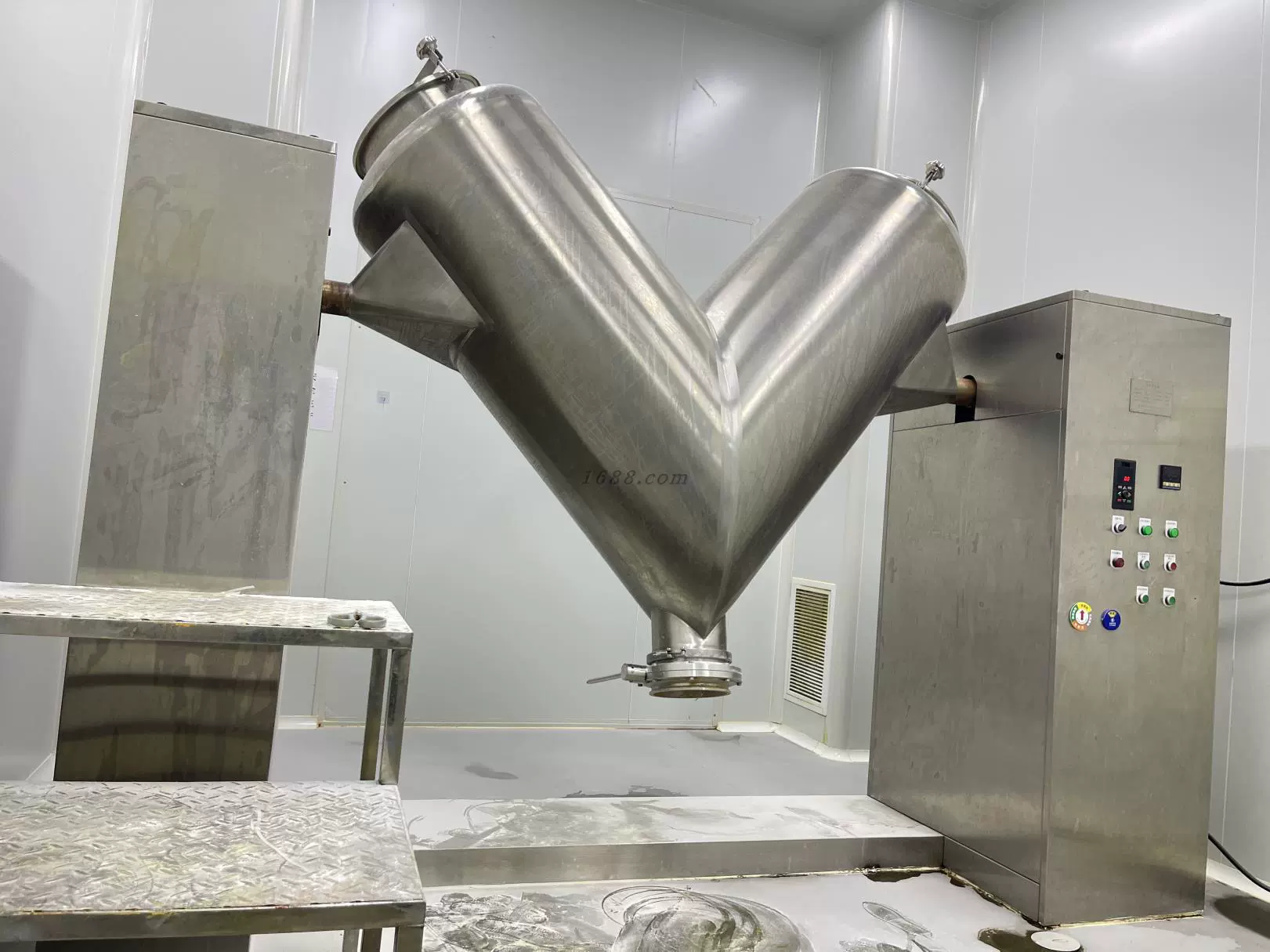
Findings cluster in the details. In production areas, auditors notice dust on floors and the tops of equipment, the condition of drains and gutters, sealing of doors, windows and vents, and pest control placement and records. In the warehouse: material stored off the floor and away from walls, clear labelling, genuine first-in-first-out, segregation of quarantine and released stock, and continuous temperature and humidity records. On the line: gowning and hand-washing discipline, status labels on tools and utensils, segregated cleaning equipment and prompt waste removal. In the laboratory: instruments within calibration, reagents within shelf life, and records completed at the time of work. None of this needs expensive equipment - it needs daily management that holds up.
Interviews and how to answer
Auditors usually interview operators at random to test whether procedures are real. The effective preparation is for each role to know three things cold: the critical control points in that job, what happens when a value goes out of range, and where the record lives. Answer in a simple structure - state the fact, give the basis, then add detail - and never guess: say you will verify and come back. Avoid both extremes: knowing nothing, and reciting the procedure perfectly while the bench tells a different story. When training records, job descriptions and actual practice agree, interviews are uneventful. Also assign reception and escort duties in advance, with someone fluent in the system escorting throughout, so several people do not answer the same question differently.

Grading and closing findings
Most audits end with a findings list graded critical, major or minor. Critical findings touch product safety and regulatory compliance and need immediate correction with evidence. Major findings affect system effectiveness and need a plan with a deadline. Minor findings are improvement opportunities that can ride along with routine improvement. The key is to fix root causes, not symptoms: a missing record usually traces back to a badly designed form or unclear responsibility, and simply backfilling it guarantees the finding returns next time. A corrective action report should contain cause analysis, corrective action, verification method and owner, and should be verified in the next production batch with evidence retained. Customers usually weigh response speed and depth more heavily than the finding itself.
Living with unannounced inspections
Unannounced inspections arrive without warning and go straight to the floor, so last-minute preparation is impossible by definition. The workable approach is to turn audit standards into daily standards: put document and record requirements into each shift's routine, fold 5S and equipment checks into shift handover, make traceability drills a quarterly fixture, and tie training and assessment to each role. Add a minimum always-ready kit - electronic and paper copies of key documents, a current staff and responsibility list, and a board showing today's production status. With that in place, a customer's drop-in visit or a regulator's inspection meets the plant as it really is rather than a rehearsed version. Audit readiness is itself a core competitive asset for a contract manufacturer.
Audit preparation is not about the week before the visit; it is about whether the plant runs to the standard every day. Protect the compliance floor, close the record loop, maintain site discipline and make interviews natural, then handle unannounced visits through routine practice - and the audit shifts from a source of pressure to a chance to demonstrate capability.
Related Products
Whey Protein Isolate with Vitamin B6 & B12 and Yeast Protein | Fitness Supplement OEM/ODM Source Manufacturer | Whey Protein Powder | Sports Nutrition Dietary Supplement Custom OEM
About Guangzhou Mesen Health Biotechnology Co., Ltd
Guangzhou Mesen Health Biotechnology Co., Ltd is located in the Huashan Science and Technology Park, Huadu District, Guangzhou. The company has focused on OEM and ODM services for the big health industry for nearly 20 years, operating dedicated research, production, sales and management centres, and maintaining long-term strategic partnerships with well-known Chinese medicine colleges and research institutions. Capabilities span pressed candy, gummies, capsules, solid beverages, herbal teas, plant beverages, protein powders, dietary supplements and enzyme jelly - from formulation development through contract manufacturing. For details on minimum order quantities, sampling lead times and quotations, see our manufacturing advantages and product range, or contact us for a tailored proposal.
Further Reading