Naming Herbal Tea OEM Products: Leaf Tea, Blends and Flavoured Tea Boundaries
Plenty of herbal tea projects stall at the last step. The product is fine; the name on the pack is not. Clients naturally call anything made from rose, chrysanthemum, cassia seed or roasted barley a “tea”, but products built on those materials sit under a completely different standard from products made from the leaves of the tea plant. Naming, ingredient listing and claims rules all diverge. In herbal tea contract manufacturing, naming has to be settled before the formula is frozen. Once the packaging is printed, the whole print run is the cost of getting it wrong. This article sets out the boundaries between leaf tea, herbal (substitute) tea and flavoured tea, then turns to ingredient declarations and the faults that get labels rejected.
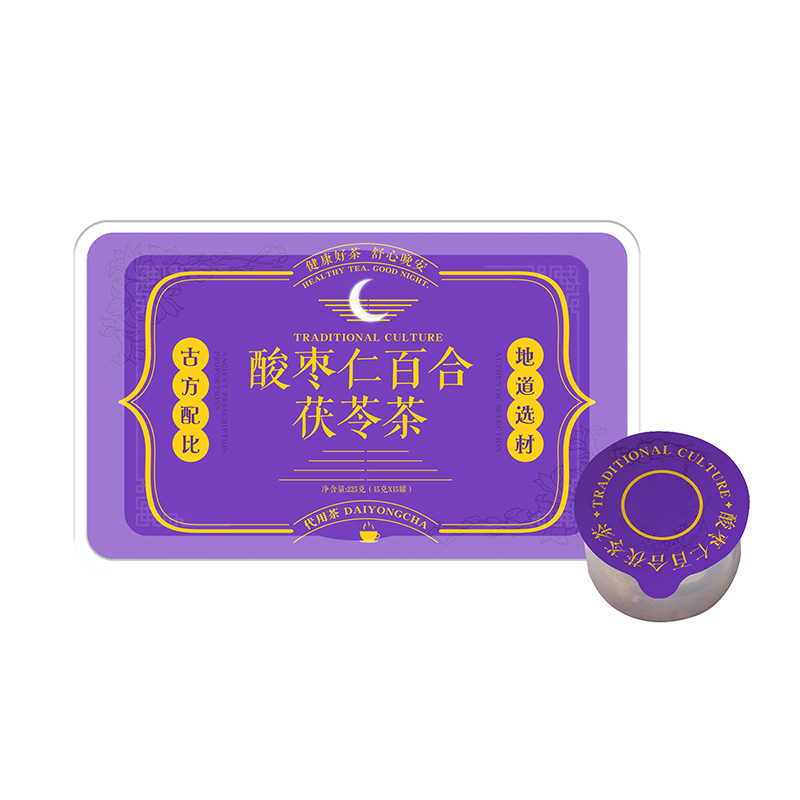
Three identities, three standards
The first is true tea: product made from the buds and leaves of the Camellia sinensis plant - green, black, oolong, white, dark. It follows the standards for tea products. The second is herbal or substitute tea: product made from the edible leaves, flowers, fruits, roots, stems or fungi of other plants, processed and brewed in the manner of tea, and containing no fresh tea leaf. The third is flavoured tea, usually built on a tea base with added flavourings or edible flowers and fruits, where the underlying identity is still tea. The dividing lines are which base material is used and whether non-tea ingredients have been added. Calling a herbal tea “black tea”, or describing a flavoured blend as pure leaf, is an identity mismatch, and identity mismatches are the easiest way to get a label rejected.
Naming that holds up
Property names must be truthful, must match the standard, and must not create an expectation the product cannot meet. A workable name is usually three parts: brand or range, ingredient or flavour descriptor, and property name. For the property name, use the category term from the standard - it is the safest choice. Avoid wording such as “whole leaf”, “ancient tree” or “premium grade”, which invites dispute or requires substantiation. Do not use the word “tea” in a way that leads a consumer to assume tea plant content, and keep efficacy language out of the name entirely. Marketing angles can live in a subtitle or descriptive copy, but the same bar applies: no disease treatment, prevention or health-function claims. Practically, settle the property name first, the flavour descriptor second, and the brand expression last.

Ingredient declarations and labelling
List ingredients in descending order of addition, using standardised names rather than folk or invented terms. Where an ingredient is an extract, say so - “X extract” rather than the raw material name. If a flavouring is used, declare it honestly rather than hiding behind “natural flavouring”. Where an ingredient doubles as a flavour source, do not describe it as a functional component elsewhere on the pack. Net content, production date, shelf life and storage conditions must match the actual process, and shelf life in particular has to rest on stability data rather than on what a channel asks for. Whether a nutrition panel is mandatory depends on product classification and local rules; where a nutrition claim is made, the associated conditions must be met at the same time.
Where claims stop
The claim boundary for herbal tea is fairly clear. Describe the ingredient, the flavour, how to brew it and when people drink it. Do not touch disease treatment, prevention or health function. Three failures recur. The first is implied efficacy: wording that suggests better sleep, lipid support or heat clearance, even if it only appears on a listing page. The second is absolute language such as best, number one or only. The third is pseudo-scientific packaging, wrapping a functional story around enzymes, metabolism or free radicals. The safer route is to anchor selling points to things a buyer can actually perceive: origin and harvest season, particle size and how quickly it infuses, aroma type, strength of taste, and the time of day or occasion it suits. Those statements are true, verifiable, and far more likely to clear channel review.
The usual grounds for rejection
In practice, rejections cluster. Name does not match the standard, or the ingredient list contradicts the name. The declaration does not match what is actually dosed, typically because a material was swapped after sampling and the packaging was not updated. A claim crosses the line on the outer pack or the listing page. Net content or format is declared incorrectly, for example loose product without the required statement. A mandatory caution or brewing instruction is missing. The referenced product standard is wrong or superseded. Avoidance is straightforward: hold one full three-way review before the artwork is frozen, with formulation, quality and marketing each clearing their own area and signing off. Then compare the printer's proof against the final approved version once more before the run starts.
Turning compliance into a process
Rather than judging each case from experience, build naming and label review into the project flow. Confirm product identity and applicable standard at kick-off. Fix the ingredient declaration alongside the dosing list at formula freeze, and keep the two identical. Build a banned-word list and scan the copy line by line. Hold the three-way artwork review at the proof stage and file the record. Verify the packaging version number against the actual production batch before the run. Put those five steps in the project file and attach a check record to every delivery, and rework rates drop noticeably. For export products, layer the destination market's standards and labelling rules on at step one rather than rebuilding after a domestic version is finished.
Naming and labelling look like copywriting. They are really the confirmation of what the product is. Get the identity right and the declaration, claims, standard reference and cautions all follow. Get it wrong and everything downstream inherits the error. Moving this step forward to the formula stage makes the last stretch of a herbal tea project far smoother.
Related Products
Grape Oolong Fruit Tea Blend | Pyramid Tea Bags Herbal Wellness Tea Custom OEM | Corn Silk Herbal Tea | Wellness Herbal Tea Private Label OEM Manufacturer
About Guangzhou Mesen Health Biotechnology Co., Ltd
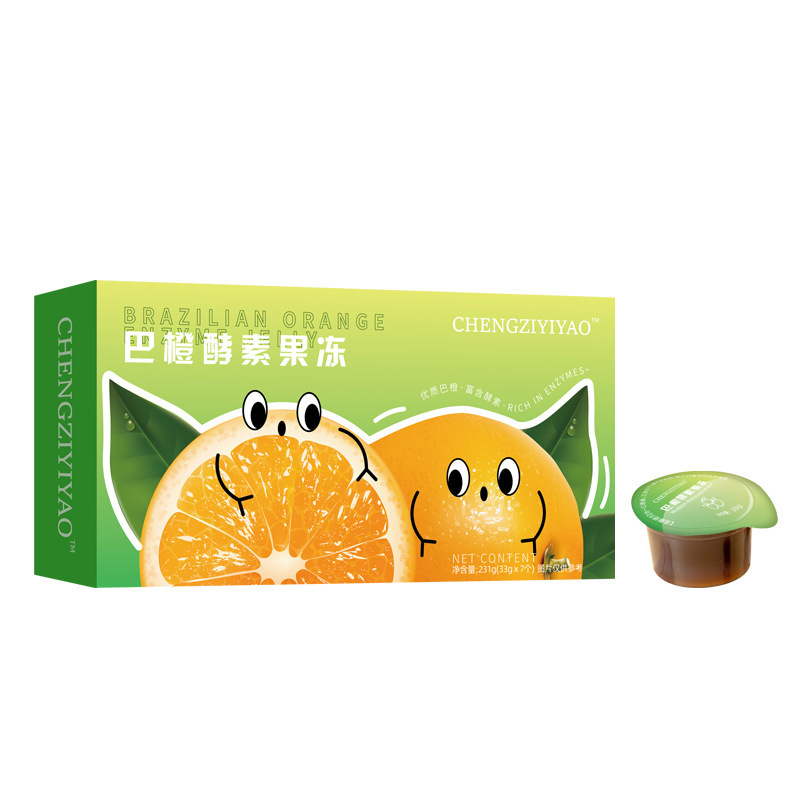
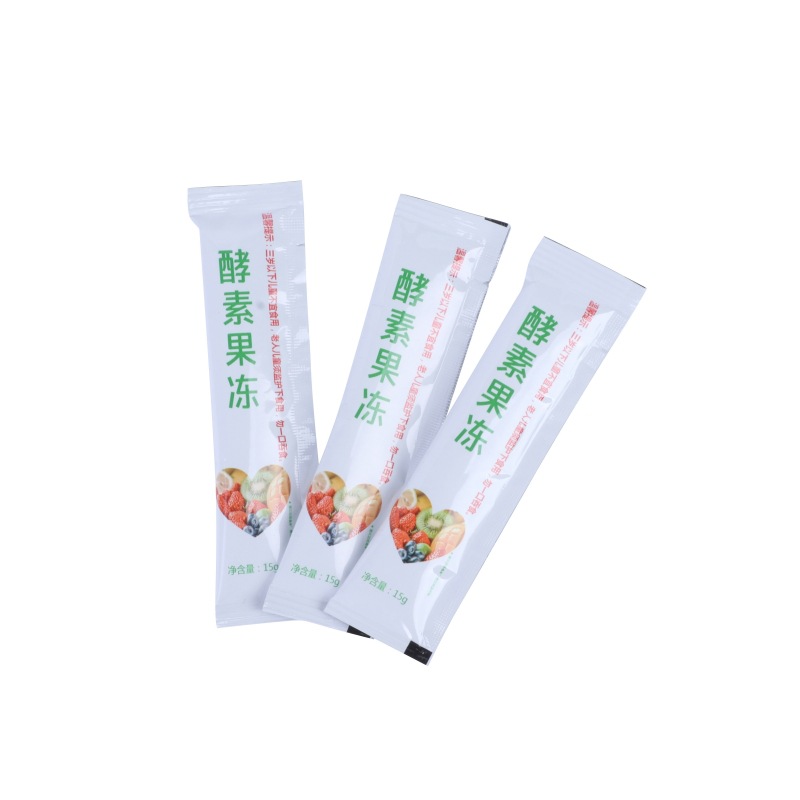
Guangzhou Mesen Health Biotechnology Co., Ltd is located in the Huashan Science and Technology Park, Huadu District, Guangzhou. The company has focused on OEM and ODM services for the big health industry for nearly 20 years, operating dedicated research, production, sales and management centres, and maintaining long-term strategic partnerships with well-known Chinese medicine colleges and research institutions. Capabilities span pressed candy, gummies, capsules, solid beverages, herbal teas, plant beverages, protein powders, dietary supplements and enzyme jelly - from formulation development through contract manufacturing. For details on minimum order quantities, sampling lead times and quotations, see our manufacturing advantages and product range, or contact us for a tailored proposal.
Further Reading