
Gummy OEM Compliance: Standards, Labelling Rules and Claim Boundaries for Brand Owners
Gummies are among the fastest-growing formats in supplements and among the riskiest on compliance. The reason is straightforward: they look like confectionery and are made like confectionery, yet many brand owners want them to carry functional promises about collagen, sleep or eye health. That gap between what a product is and what it is said to do is where problems cluster. In gummy OEM, compliance should be worked through once the formula is fixed and before packaging design starts, not discovered when samples arrive and the copy has to be rewritten.
1. Decide what the product actually is
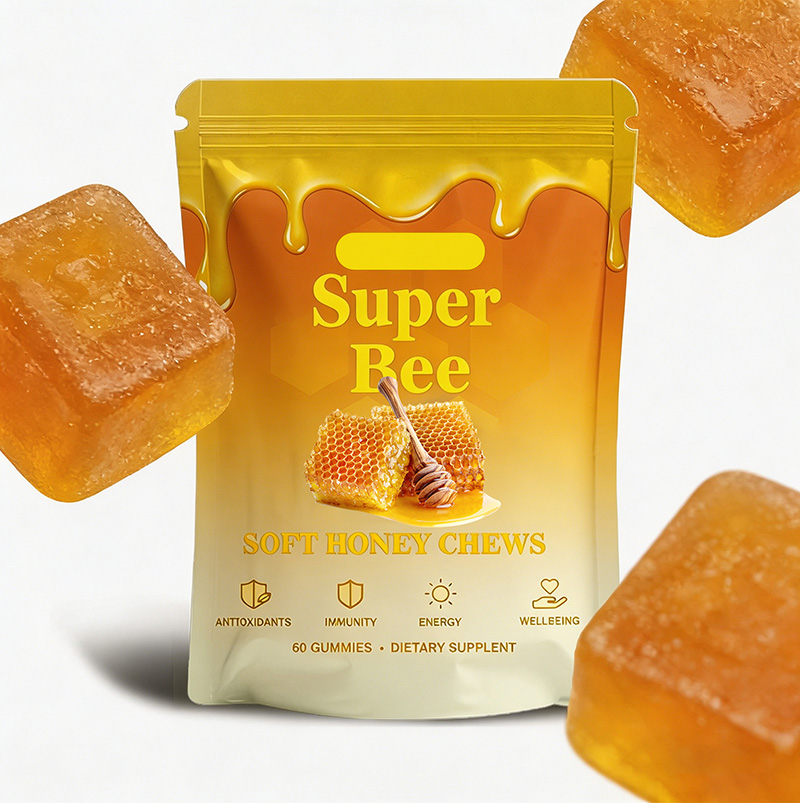
The first step is classification. A chewable product built on gelatin, pectin or carrageenan with sugar or sugar alcohols normally falls under gel confectionery within the broader sugar confectionery category, governed by the national food safety standard for candy. Where vitamins or minerals are added as nutrient fortification, the permitted levels and the food categories listed in the national fortification standard must be checked at the same time - whether gel confectionery appears in the permitted category list for that nutrient is the single most common mistake. If no existing national standard covers the product, an enterprise standard has to be drafted and filed.
2. Choosing a standard, and when a filing is unavoidable
Where a national or industry standard applies, execute against it directly: cheaper and less arguable. An enterprise standard filing becomes necessary in three situations: the formulation uses an ingredient or format combination no national standard covers; internal limits are tighter than the national ones, such as a stricter aerobic plate count; or a characteristic marker such as gel strength or active content needs to be written into the standard so future testing can be compared against it. Filing takes weeks and requirements differ by region, so it belongs in the project plan early. An enterprise standard is also not a place to set heroic limits: whatever is written must be genuinely achievable, or it becomes evidence against you at inspection.
3. Ingredient list and nutrition panel
Ingredients are listed in descending order by weight, with those under 2% exempt from the ordering rule, while food additives must always be declared. Compound ingredients such as fruit preparations or pre-blended gum systems must be broken out into their constituent parts unless an exemption applies. The nutrition panel follows the national nutrition labelling standard: energy plus protein, fat, carbohydrate and sodium, each with its percentage of the nutrient reference value. One recurring error is worth naming: sugar-free gummies built on sugar alcohols still carry carbohydrate and energy, and maltitol or erythritol must be counted honestly rather than zeroed out because the word "sugar-free" appears on the front.
4. Colours, flavours and sweeteners
Colours and sweeteners must be checked against the national additive standard both for whether confectionery appears in the permitted food categories and for the maximum use level. In practice the most persistent misconception is that natural colours are unrestricted - most of them carry category limits too. A second common fault is flavouring carrying minor components or allergenic carriers that never reach the ingredient declaration. Export orders need a separate pass against the destination market, since colours permitted domestically may be refused in the EU or the US, or may require a different declared name.
5. Claim boundaries
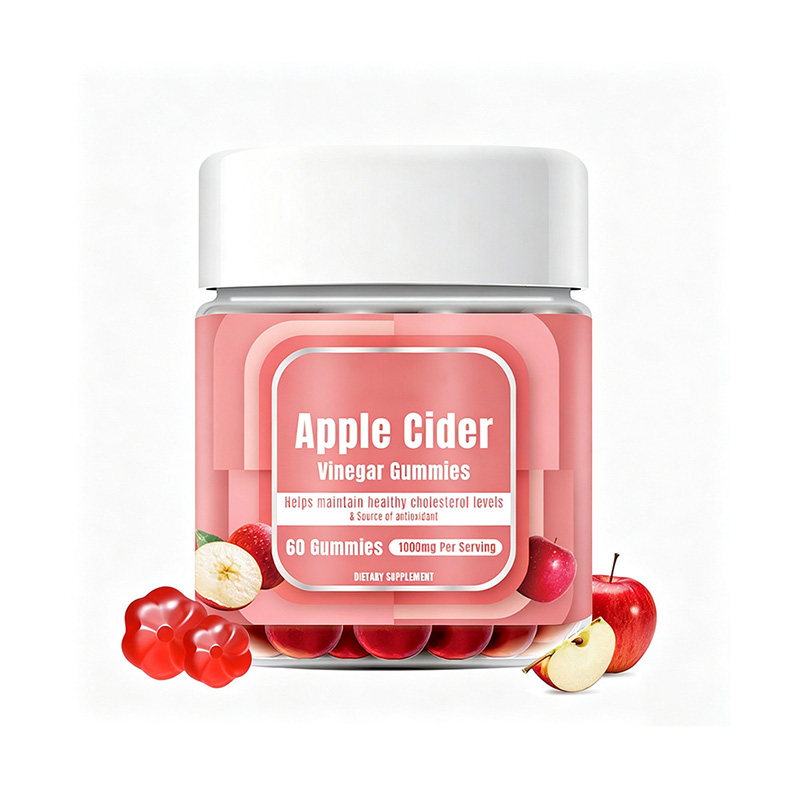
As an ordinary food, a gummy cannot claim a health function, cannot refer to prevention or treatment of disease, and cannot use function-specific wording reserved for registered health foods. What is relatively safe is objective description of composition: "with collagen peptides" or "X mg of vitamin C per serving", provided nothing implies a physiological outcome. Words such as detox, fat-burning or sleep-improving carry functional implication and are best avoided. Where functional claims are genuinely needed, the correct route is health food registration or filing, not a workaround on an ordinary food label.
6. Make compliance a process, not a rescue
Disciplined manufacturers build compliance in as a sequence: ingredient legality and dose checked at formulation stage, test items and acceptance criteria fixed at sampling stage, label artwork and claim copy reviewed at design stage, and type-test reports matched against the physical label before mass production. When auditing a plant, ask for three documents - the production licence schedule, a recent type-test report, and records of past label reviews. A factory that produces all three systematically rarely makes a serious compliance error.
Related Products
Greens Gummies with Multivitamin, Spirulina & Prebiotic Fiber | GREENS GUMMIES Supplement OEM | Feminine Balance Probiotic Gummies with Cranberry | Feminine Balance Gummies OEM
About Guangzhou Mesen Health Biotechnology Co., Ltd
Guangzhou Mesen Health Biotechnology Co., Ltd is located in the Huashan Science and Technology Park, Huadu District, Guangzhou. The company has focused on OEM and ODM services for the big health industry for nearly 20 years, operating dedicated research, production, sales and management centres, and maintaining long-term strategic partnerships with well-known Chinese medicine colleges and research institutions. Capabilities span pressed candy, gummies, capsules, solid beverages, herbal teas, plant beverages, protein powders, dietary supplements and enzyme jelly - from formulation development through contract manufacturing. For details on minimum order quantities, sampling lead times and quotations, see our manufacturing advantages and product range, or contact us for a tailored proposal.
Further Reading




