
Herbal Tea OEM Compliance: Standards, Pesticide Limits and Where Claims Cross the Line
Herbal tea looks like the most natural format available, yet it often carries more compliance risk than a pressed candy. The reason is that its materials come straight from agriculture, so pesticide residues, heavy metals, sulphur dioxide and microbial load are inherent risks. On top of that, many blends use medicinal-and-food dual-use botanicals, and if an ingredient sits outside the permitted list, the product has no lawful basis to be produced at all. When we review a herbal tea order, the first step is always checking the ingredient list for legality, never the taste. This guide sets out the compliance points for herbal tea OEM.
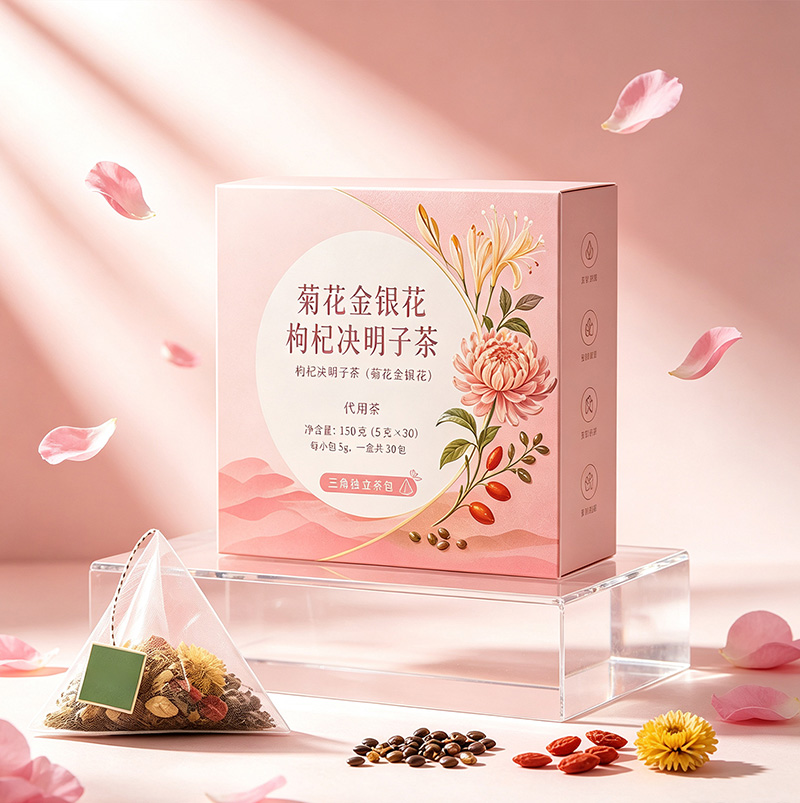
1. Legal classification and the applicable standard
Herbal tea refers to products made from plant leaves, flowers, fruits or roots other than the tea plant, processed for consumption by infusion or decoction. It sits under the tea and related products category in food production licensing, in the herbal tea sub-category. Common standards are GH/T 1091 or a registered enterprise standard, and an enterprise standard must be filed publicly with limits no lower than the mandatory national standards.
Two distinctions matter. Herbal tea is legally separate from tea proper, and it is separate again from health foods and drugs. A blend that includes actual tea from the Camellia genus changes both the category and the test panel. Before contracting, confirm that the manufacturer's SC licence lists herbal tea among its category details.
2. Ingredient legality: the dual-use list and novel foods
This is where most problems arise. Permitted materials fall into three tiers. Ordinary food ingredients such as goji, jujube, chrysanthemum, hawthorn and rose can be used directly. Dual-use medicinal and food substances may be used as ordinary food, but only the species and plant parts named in the published list. Novel food ingredients and those that have completed the review termination process may be used only within the scope, intake limits and exclusions stated in the relevant announcement.
Three traps recur. Using a botanical that appears only in the health food raw material directory, or is medicinal-only, as if it were an ordinary food. Using a different botanical species that shares a common name with a listed one - homonym confusion is widespread in Chinese materia medica. And overlooking exclusions in an announcement, such as a novel food declared unsuitable for infants or pregnant women, which then has to appear on the label.

3. Residues, heavy metals and microbiology
Pesticide residues follow GB 2763, and the essential point is that limits are looked up by ingredient category, not by a blanket claim of compliance. Leafy, fruiting, root and flower materials each carry different limits, and the same botanical can differ by a factor of several times depending on how it is classified. Because herbal teas are blends, every component has to be assessed against its own category. Export to the EU or Japan adds destination limits, which for tea and herbal products are generally tighter than the national standard and apply a default limit mechanism.
Heavy metals follow GB 2762, with lead, cadmium, arsenic and mercury in focus; leaf materials deserve particular attention on lead. Microbiology follows GB 2763 for pathogens, while internal specifications should also control total plate count and mould, especially where material has not been sterilised. Note also that some flowers are sulphur-fumigated, so sulphur dioxide residue must be tested against the GB 2760 limit.
4. Labelling and the usual claim pitfalls
Three problems dominate. Product names that promise an outcome - a "slimming tea" or "sugar-control tea" - are themselves a violation. Functional implication through words consumers read as efficacy, such as "detox" or "clears internal heat", carries high risk. And missing statements of unsuitable groups or intake limits, which are mandatory where novel foods or dual-use botanicals are present.
The safer route is to describe ingredients and flavour: chrysanthemum and goji, longan and jujube, clean and sweet-finishing, plus factual brewing guidance. If a brand genuinely needs functional language, the correct path is health food registration or filing, not a workaround on an ordinary food label.
5. What export adds
Export shipments typically need a phytosanitary certificate confirming freedom from quarantine pests and soil, a certificate of origin, a composition and process statement, and residue and heavy metal reports to the destination's requirements. Access conditions vary widely between the EU, the US and Japan, and some botanicals are treated as novel food in certain markets, requiring evidence of a history of consumption. Confirm the destination's permitted list before sampling - not after a finished product fails to clear customs.
Related Products
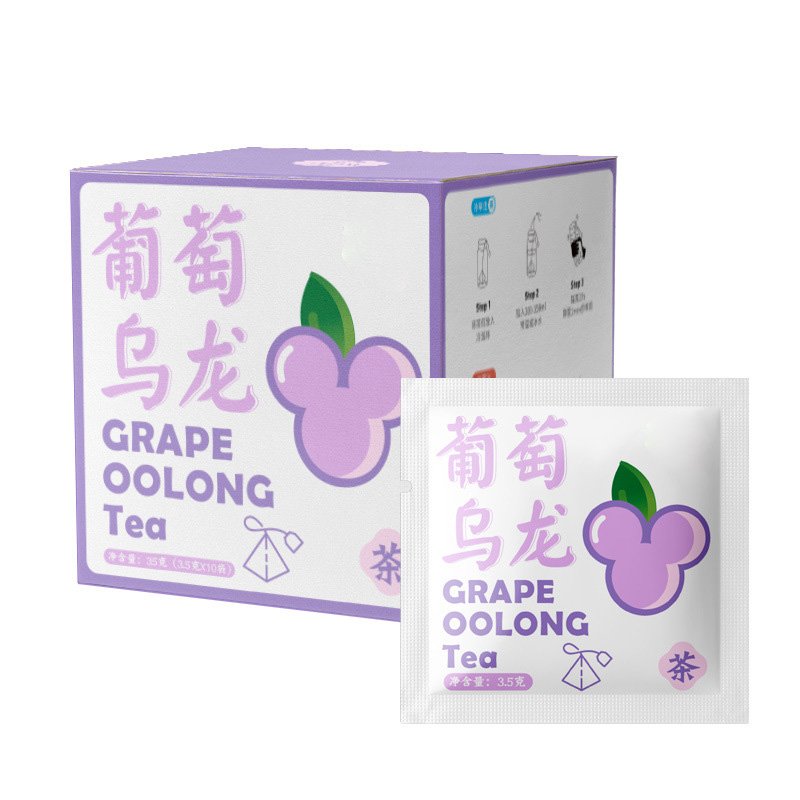
Grape Oolong Fruit Tea Blend | Pyramid Tea Bags Herbal Wellness Tea Custom OEM | Corn Silk Herbal Tea | Wellness Herbal Tea Private Label OEM Manufacturer
About Guangzhou Mesen Health Biotechnology Co., Ltd
Guangzhou Mesen Health Biotechnology Co., Ltd is located in the Huashan Science and Technology Park, Huadu District, Guangzhou. The company has focused on OEM and ODM services for the big health industry for nearly 20 years, operating dedicated research, production, sales and management centres, and maintaining long-term strategic partnerships with well-known Chinese medicine colleges and research institutions. Capabilities span pressed candy, gummies, capsules, solid beverages, herbal teas, plant beverages, protein powders, dietary supplements and enzyme jelly - from formulation development through contract manufacturing. For details on minimum order quantities, sampling lead times and quotations, see our manufacturing advantages and product range, or contact us for a tailored proposal.
Further Reading




