
Gummy OEM by Consumer Segment: Format and Flavour Choices for Kids, Women and Active Users
Gummies have been one of the fastest-growing formats in the health food category for several years, and one of the easiest to commoditise: open any marketplace and the collagen, vitamin and probiotic gummies read almost identically, leaving price as the only differentiator. The brands that break out are rarely the ones that added one more ingredient; they are the ones that settled the target consumer and the serving format before the brief reached the factory. Kids, women and active users represent three almost separate sets of requirements - different gel systems, texture targets, serving sizes, packaging and claim boundaries. This article takes the three apart from a manufacturing perspective and sets out what needs to be settled at brief stage rather than discovered at sampling.
Kids: safety and compliance before actives
For children's gummies, the first priority is not efficacy. It is safety and the willingness of the child to actually eat the product. On safety, there are three hard constraints. Choking risk governs both size and shape: individual pieces typically sit at two to three grams, spherical shapes and very small pieces are avoided, and the familiar bear and fish moulds are not decorative choices - the angular geometry makes the piece easier to break down in the mouth, and the gel modulus is often adjusted downward so the chew fractures rather than springs back. Colour and flavour are expected to be naturally sourced; synthetic colours directly affect the parent's purchase decision even when they are fully permitted. Sweeteners require conservatism: xylitol is reasonably well tolerated, but erythritol and certain polyol combinations cause osmotic diarrhoea at higher intakes, so per-piece and per-day limits need to be set at formulation stage rather than discovered in consumer feedback.
On texture, children's products favour bright sweet-sour profiles with a quick chew rebound, which is where gelatin performs best. Pectin reads softer and slower, and needs acid adjustment to land in the same sensory space. Pack sizes commonly fall between 60 and 120 grams - partly to limit single-session consumption, partly to lower the trial cost for a parent. And child-resistant closures are effectively standard on any export order in this segment.
Women: ingredient narrative meets sensory experience
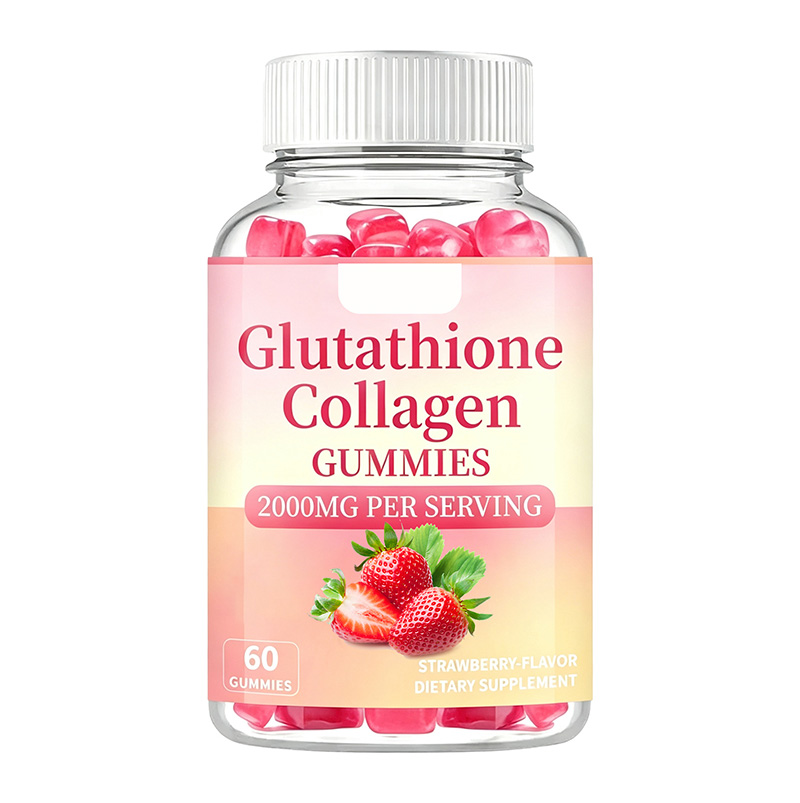
The defining tension in women's gummies - collagen, hyaluronic acid, iron, folate, biotin - is that the actives need a meaningful dose and the gummy has limited carrying capacity. In practice the functional payload of a gummy sits somewhere between ten and twenty percent of the mass; push beyond that and gel strength and demoulding start to suffer. There are three ways out. Increase the piece size to three to five grams. Increase the daily piece count and declare it clearly on the label. Or move to a higher-purity raw material form, such as low molecular weight collagen peptides instead of a bulk gelatin-type ingredient.
Gel system choice is driven by label sensitivity. Gelatin gives the best texture but requires an animal-source declaration, and this segment has the highest sensitivity to vegan and halal positioning, so pectin and other plant-based systems dominate. The other recurring challenge is off-note masking: fishy notes from collagen and metallic notes from iron are the two most common reasons a sample comes back rejected, and they are a flavour-technology problem, not a dosage problem. Format-wise, this segment rewards presentation - 30-piece and 60-piece monthly packs, and packaging material quality that visibly affects repurchase rates.

Active users: functional clarity, tighter sugar control
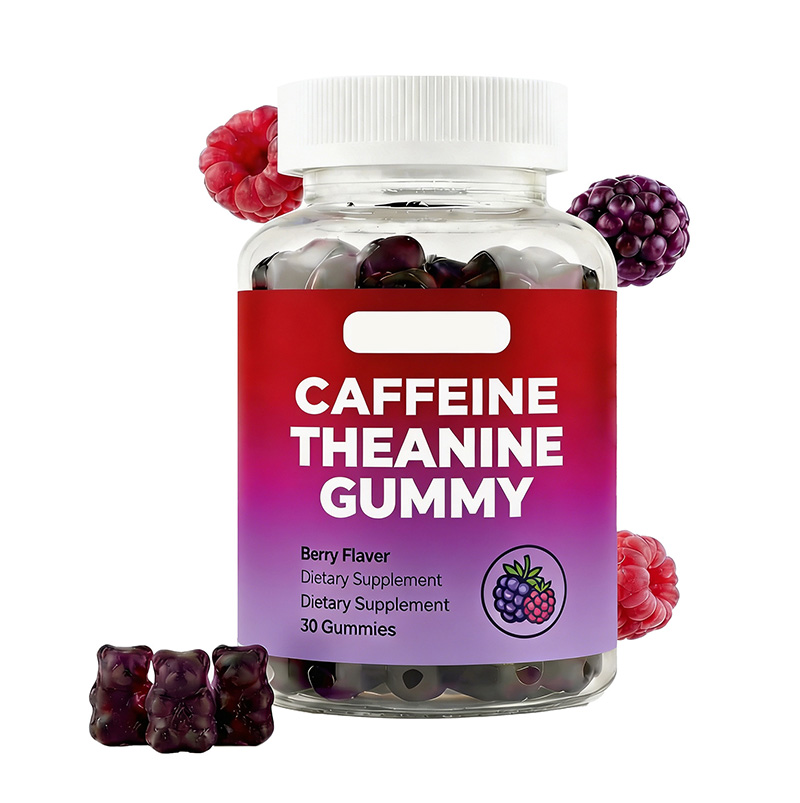
Sports gummies - BCAA, electrolytes, caffeine, creatine, pre-workout blends - differ from the other two segments in one important way: the dose requirement is higher, and the tolerance for sugar is paradoxically lower. There is a built-in tension here, because sports nutrition traditionally wants fast carbohydrate while the consumer is actively managing sugar intake. The industry resolution is to split the line: everyday products formulated low or zero sugar, and pre- or post-event products retaining a measured glucose syrup load.
Technically, the higher active load interferes with the gel network. Pectin systems are extremely sensitive to pH and soluble solids, and adding electrolyte salts - sodium, potassium, magnesium - shifts the gel point significantly, so gel strength has to be confirmed by gradient trial in the laboratory rather than assumed from a previous product. Bitter actives such as caffeine and guarana need deliberate masking, typically with high-intensity sweeteners combined with cooling agents. On packaging, single-serve sachets and stick packs dominate because the consumption occasion is a gym bag or a trail, not a kitchen cupboard; bottles are secondary.
The three segments side by side
Distilled to four variables, the differences look like this. Piece weight: two to three grams for kids, three to five for women, three to six for active users. Gel system: predominantly gelatin for kids, pectin or plant gums for women, and for active users whatever survives compatibility testing with the active load. Sweetness: standard for kids, reduced or sugar-free for women, split by use case for sports. Packaging: child-resistant and small for kids, tactile and gift-ready for women, portable and single-dose for sports.
These four variables need to be settled in the brief meeting, because between them they determine mould tooling, print tooling, raw material purchasing and the number of sampling rounds. Projects that reach a fourth or fifth sample round are rarely stuck on technical difficulty. They are stuck because the target consumer was never fixed, and changing the format mid-project resets the board.
What to lock down at sampling
Whichever segment you are building for, the sample approval form should carry quantified acceptance criteria rather than sensory opinions. Moisture content and water activity target ranges. A numerical gel strength value, not "feels right". Syneresis and sugar crystallisation behaviour under accelerated conditions. Actual filled net weight and piece count deviation after a production-representative run. And a final, signed-off ingredient declaration.
Getting these agreed at sample stage removes most of the disputes that otherwise surface at volume. In practice, choosing a gummy OEM configuration is an exercise in aligning segment, format and gel system on a single sheet. The more precisely the consumer is defined at the start, the fewer reformulations and packaging changes follow - and on a launch with a fixed budget and a fixed date, that is worth more than any single ingredient decision.
Related Products
Greens Gummies with Multivitamin, Spirulina & Prebiotic Fiber | GREENS GUMMIES Supplement OEM | Feminine Balance Probiotic Gummies with Cranberry | Feminine Balance Gummies OEM
About Guangzhou Mesen Health Biotechnology Co., Ltd
Guangzhou Mesen Health Biotechnology Co., Ltd is located in the Huashan Science and Technology Park, Huadu District, Guangzhou. The company has focused on OEM and ODM services for the big health industry for nearly 20 years, operating dedicated research, production, sales and management centres, and maintaining long-term strategic partnerships with well-known Chinese medicine colleges and research institutions. Capabilities span pressed candy, gummies, capsules, solid beverages, herbal teas, plant beverages, protein powders, dietary supplements and enzyme jelly - from formulation development through contract manufacturing. For details on minimum order quantities, sampling lead times and quotations, see our manufacturing advantages and product range, or contact us for a tailored proposal.
Further Reading




