
Ingredient Eligibility in Herbal Tea OEM: Permitted Lists and Blending
Herbal tea looks like the simplest product category: dry the material, cut it, fill it into bags, done. Anyone who has actually built a formula knows the trap lies in the ingredients themselves. Among flowers, roots and stems, some qualify as ordinary food ingredients, some are managed as materials for health foods, and some are popular abroad but have no established basis for use in the domestic market. If that check is not done at project stage, it can surface later during sampling, after artwork is printed, or even after goods are listed - and rework at that point is expensive. In herbal tea OEM, verifying ingredient eligibility is the first step of a project and the one that defines how much room the rest of the project has.
Three bases for eligible ingredients
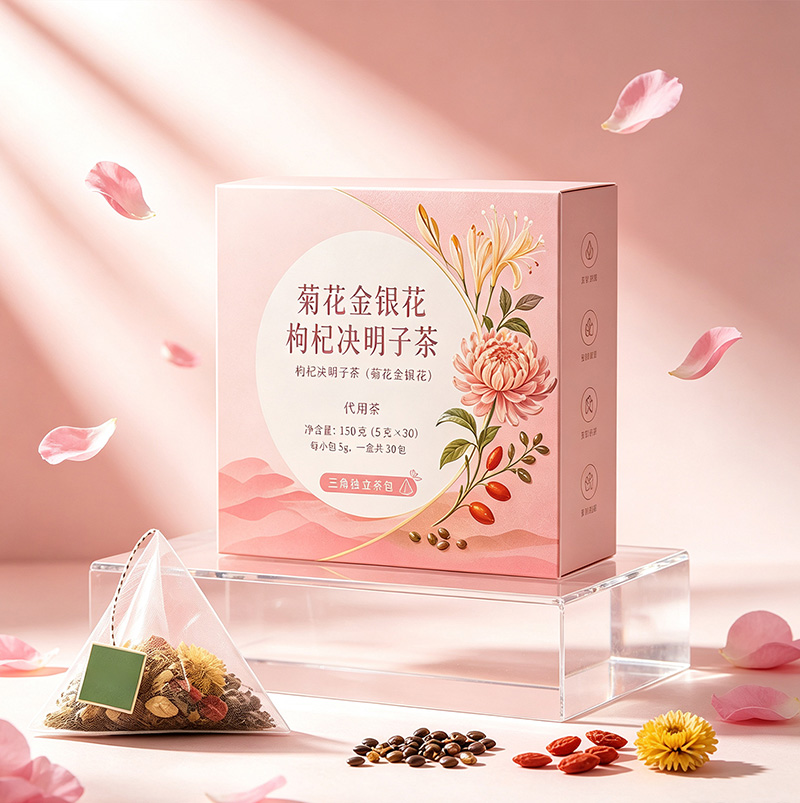
To decide whether a material can be used, first see which basis it falls under. The first is substances managed as ordinary food through long-standing customary use: a long history of consumption and a well-established safety profile, usable directly in an herbal tea formula - these are the backbone of most formulations. The second is materials traditionally used both as food and as Chinese medicine, which carry defined scope and use-level requirements; when they enter a formula, the level must stay within the limit and the medicinal aspect cannot be turned into a functional claim. The third is newly approved food ingredients, which come with an approval notice that usually states permitted scope, maximum level and specific labelling requirements that must be checked line by line. Anything outside these three categories, including plants not on any list, in principle cannot be an herbal tea ingredient.
The materials most likely to cross the line
In practice, problem ingredients cluster into a few groups. The first is materials intended for health foods, which carry a defined functional positioning; treating one as an ordinary food ingredient in an herbal tea is a clear overstep. The second is medicinal herbs: many people assume that if something can be bought at a pharmacy it can go into food, but medicinal and food use are two separate regulatory tracks and cannot be mixed. The third is ingredients popular overseas with no domestic basis for use - certain foreign botanicals or imported plant extracts may appear in cross-border channels, but producing and selling under ordinary food rules requires confirming the basis first. The fourth is plant parts: some plants are permitted only in specific parts, and a usable fruit does not make the root or leaf usable, an oversight that is easy to make.
Limits on level and combination
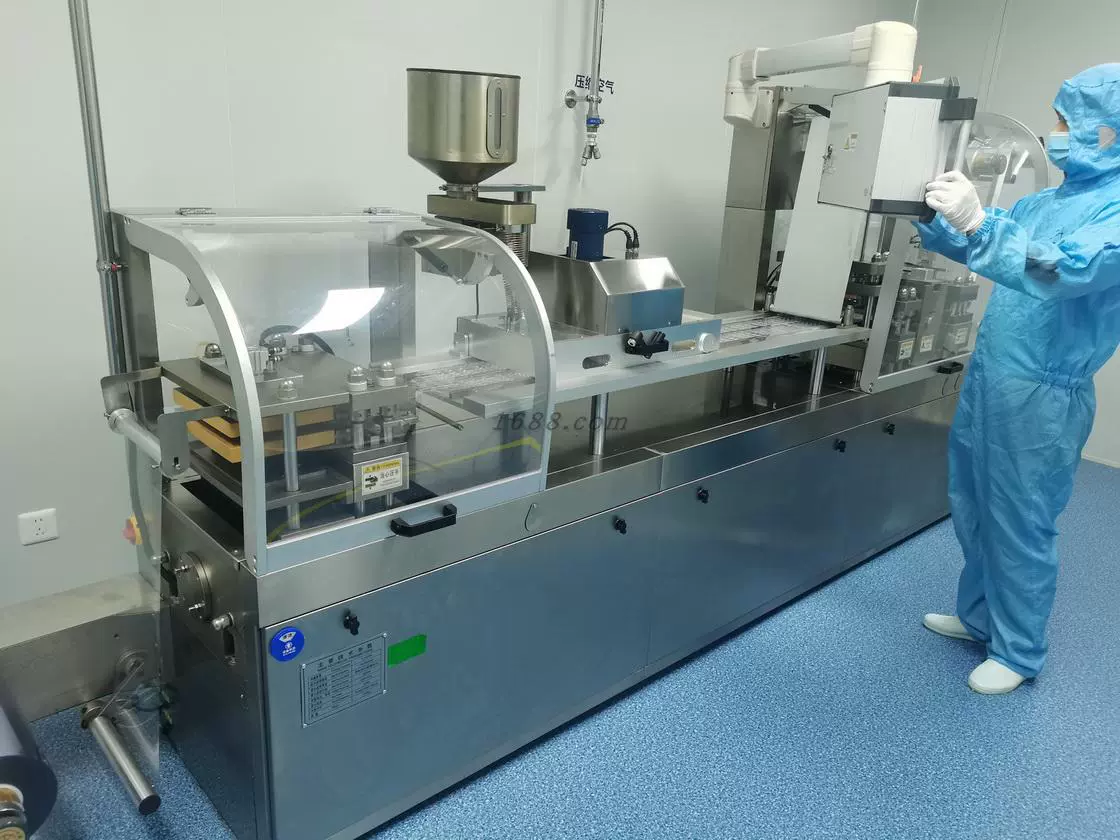
Being permitted does not mean a material can be used freely. Where a level is specified, convert the formulation ratio into the actual intake per serving or per day in the finished product and compare that with the limit, rather than reading the ingredient percentage alone. On combining materials, two things need attention. The first is mutual effects on flavour and safety: some combinations clash on taste, or differ enough in acidity that aroma and colour change quickly. The second is labelling effects: the ingredient list must follow descending order by amount added, so if a material is placed early for marketing reasons while the actual level is small, the list and the product disagree. A practical safeguard is to build a level-check table before the formula is frozen, listing the specified limits alongside the corresponding intake from the finished product.
The red line on functional claims
Herbal tea is an ordinary food, so it cannot claim health functions or make statements about preventing or treating disease. Oversteps follow a few patterns: copying traditional descriptions of a material into product copy in a way that hints at an effect on a body system; using words with functional direction such as detox, cooling or regulating; and amplifying the food-and-medicine concept in e-commerce listings. These statements appear across packaging, detail pages and marketing material, so they need managing as one set, and sales channels are usually where trouble starts. Prepare an approved wording list in advance, make the acceptable neutral descriptions explicit, and let operations and design work within that boundary.
Keeping formula and label aligned
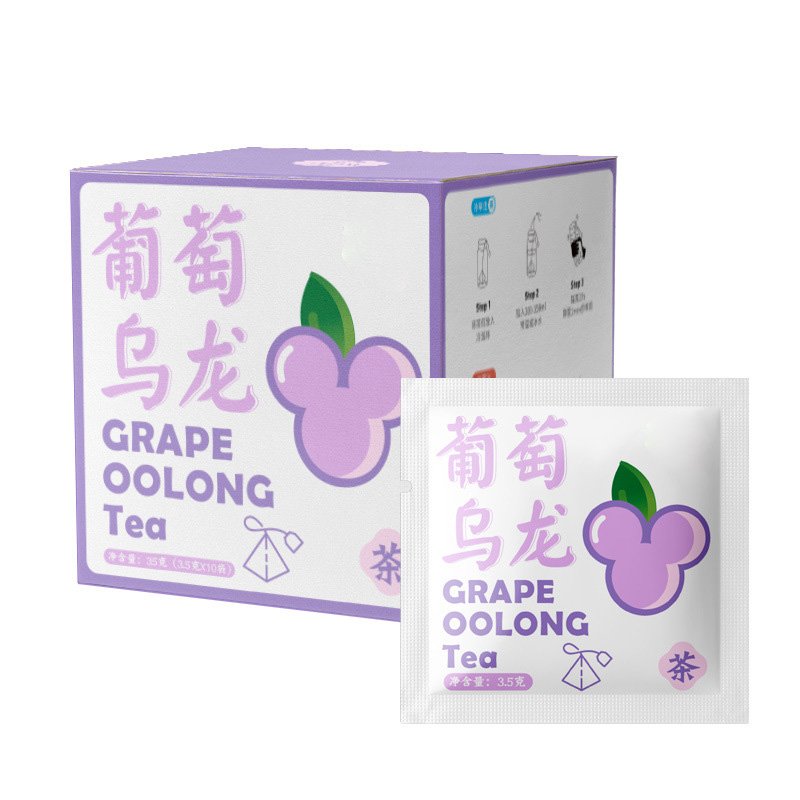
Once the formula is fixed, label information has to match it exactly, including the ingredient list, net content, nutrition information and brewing instructions. Herbal tea is often exempt from a nutrition panel, but whether the exemption applies depends on the specific format and formula and should not be assumed. If an extract appears in the ingredient list, it must be declared according to its actual role rather than blurred with the raw material form. Product naming also needs to correspond to the contents: a material named in the product name should genuinely be in the formula at a meaningful level, or the label risks being judged inconsistent with the product. These alignments break most easily when a formula changes, so every revision should trigger a review of the artwork.
A pre-project checklist
Turning the above into a checklist makes project start-up far more efficient. It should cover, at minimum: the basis and source for each ingredient's eligibility; the specified limit for restricted materials and the converted intake per serving; the physical form of each ingredient, including the part used; whether any foreign ingredient needs additional confirmation; a consistency check between formula and artwork; and a self-assessment of claim wording. Such a list is useful the moment a customer proposes a formula, and it serves as evidence during audits and sampling later. Make it a fixed gate and herbal tea development runs much more smoothly.
Ingredient questions in herbal tea are fundamentally about confirming the basis before discussing the formula. Verify eligible lists, level limits, plant parts, claim boundaries and label consistency at project stage, and sampling and production hold few surprises. Skip that step and even a beautiful product may have to be started over.
Related Products
Grape Oolong Fruit Tea Blend | Pyramid Tea Bags Herbal Wellness Tea Custom OEM | Corn Silk Herbal Tea | Wellness Herbal Tea Private Label OEM Manufacturer
About Guangzhou Mesen Health Biotechnology Co., Ltd
Guangzhou Mesen Health Biotechnology Co., Ltd is located in the Huashan Science and Technology Park, Huadu District, Guangzhou. The company has focused on OEM and ODM services for the big health industry for nearly 20 years, operating dedicated research, production, sales and management centres, and maintaining long-term strategic partnerships with well-known Chinese medicine colleges and research institutions. Capabilities span pressed candy, gummies, capsules, solid beverages, herbal teas, plant beverages, protein powders, dietary supplements and enzyme jelly - from formulation development through contract manufacturing. For details on minimum order quantities, sampling lead times and quotations, see our manufacturing advantages and product range, or contact us for a tailored proposal.
Further Reading




