Microbial Control in Pressed Candy OEM: Materials, Hygiene, Release
Pressed candies are made at very low moisture, which leads many brand owners to assume that tablets have no microbiological problem at all. That is not how it works. Low moisture stops organisms multiplying but does not remove the ones already present. The early part of tablet production uses botanicals, fruit powders and yeast extracts whose incoming counts are often high; granulation and drying reduce the load but only partly; tableting and packing are open operations with further chances for recontamination. In pressed candy OEM, microbial control is not a single step but four lines working together - materials, process, environment and release. This article walks through the critical points in production order.
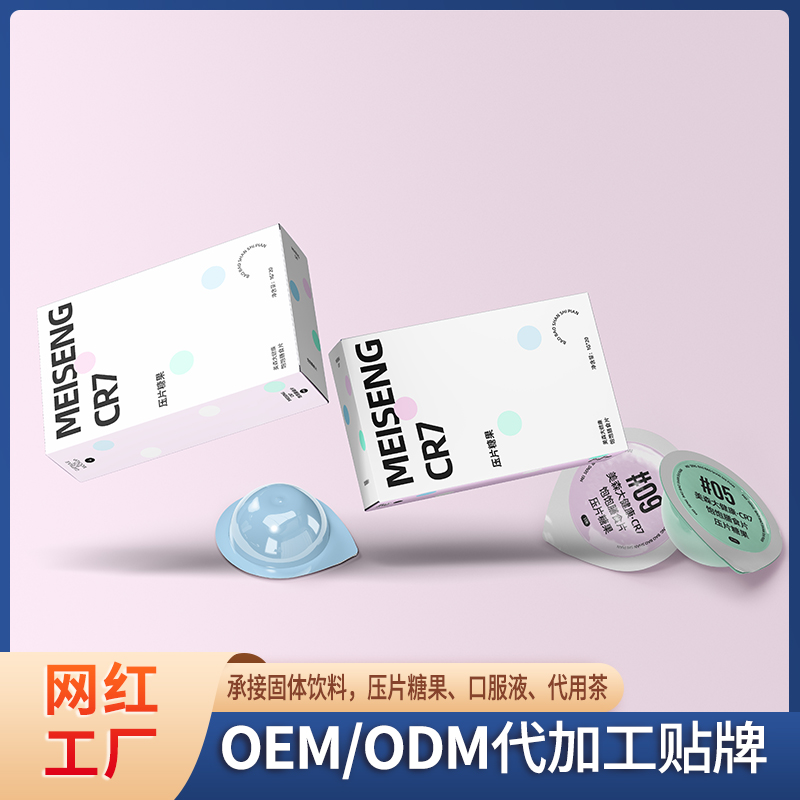
Low moisture is not low risk
Start by clearing up a common misunderstanding. Moisture content mainly governs whether organisms can multiply, whereas total counts and the presence of pathogens depend on how many were introduced in the first place. A tablet will not spoil quickly the way a gummy or a drink does, but if it carries organisms they sit dormant in the compact and become active again when the product is chewed, dispersed or stored somewhere damp. The bigger problem is that tablets usually receive no terminal sterilisation, so whatever the raw materials bring in is largely what the finished product contains. Control therefore has to move upstream to materials and mid-process steps rather than being patched at the end. Risk depends on how much unrefined material the formula uses, the incoming counts of those materials, and how clean the production environment is.
Raw materials are the main source
The materials in a tablet formula that genuinely carry organisms are those without heavy refining: botanical extracts, fruit and vegetable powders, yeast extracts, protein ingredients and some functional polyols. Their own production involves water-based steps and drying, and if drying is incomplete or packaging is a poor barrier, water activity stays high and counts rise. There are three layers of control. First, write microbial limits into the material specification and decide by risk tier whether testing is per batch or periodic. Second, for high-risk materials ask suppliers for options such as irradiation, steam treatment or dry heat. Third, manage warehouse temperature and humidity after receipt, so a compliant material does not turn non-compliant by taking up moisture. Fix these three and the process carries far less pressure.
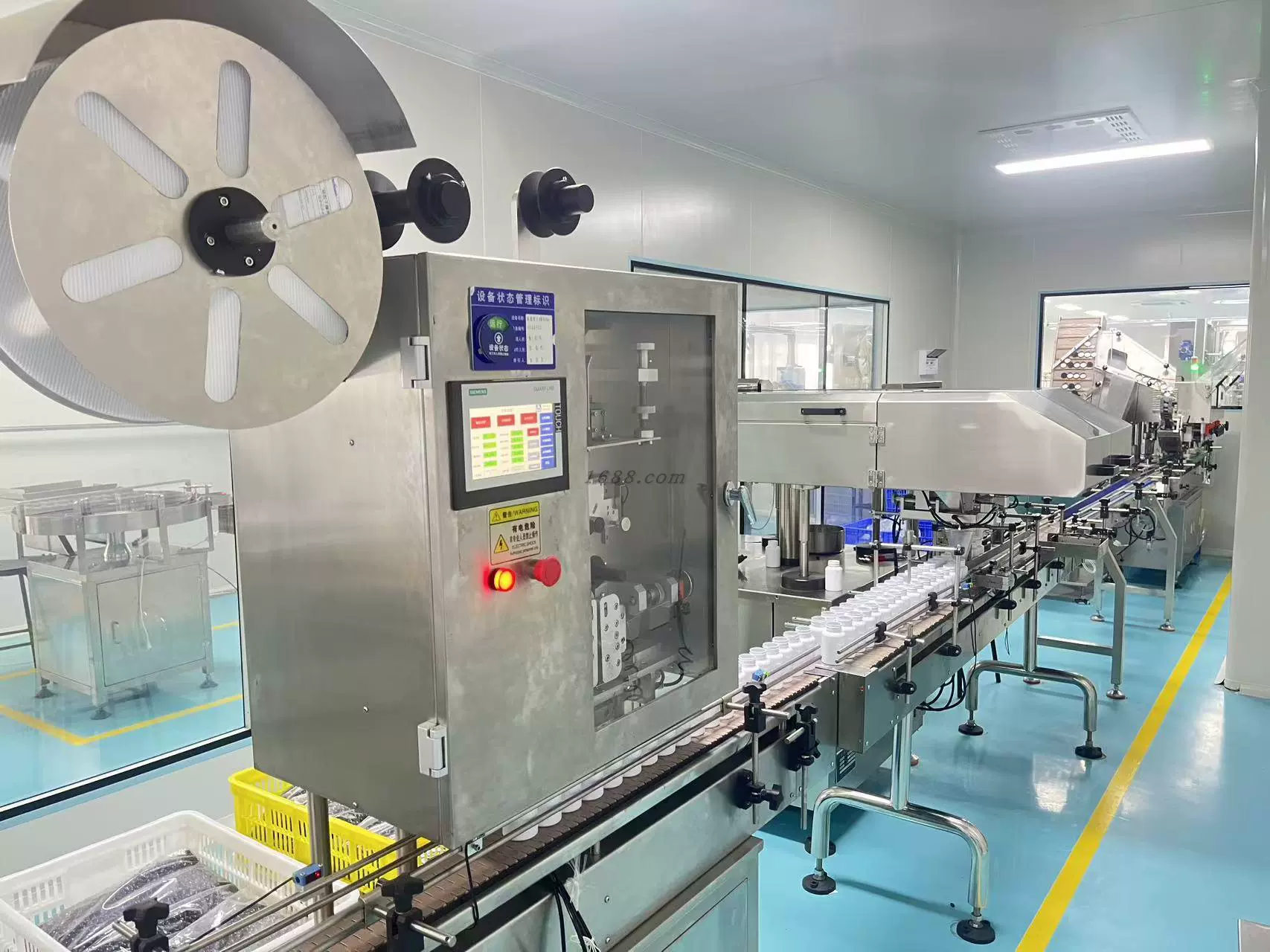
Granulation and drying remove part of the load
Wet granulation and the drying that follows are among the few steps in tablet production that genuinely reduce microbial load. Heat and moisture migration during drying inactivate part of the population, and the quality of the granulating water directly affects the result, so process water should be managed to purified or at least softened standard with periodic pipe sanitisation. Note that drying should not be relied on as a sterilisation step. Temperatures high enough to be decisive damage heat-sensitive actives, and long residence times hurt compressibility and colour, so the usable window is narrow. The practical approach is to treat granulation and drying as a load-reducing step rather than a kill step, using them to lower counts while still requiring materials to meet specification on arrival.
Environment and people
A tableting room does not need the sterility of a filling zone, but it does need basic cleanroom discipline. Compressing, coating and primary packing should be defined as controlled areas, with limits on the number of people inside and a fixed direction of movement to reduce cross-traffic. For air handling, controlled areas should be held at positive pressure with filtered supply air so unfiltered outside air does not flow back in; floors and surfaces should be easy to clean so powder does not accumulate in corners. On the people side, gowns, hair covers, masks and hand sanitising are baseline requirements, and the order of changing and the entry route should be fixed. None of this appears in a product specification, yet all of it shows up in the finished product's total count.
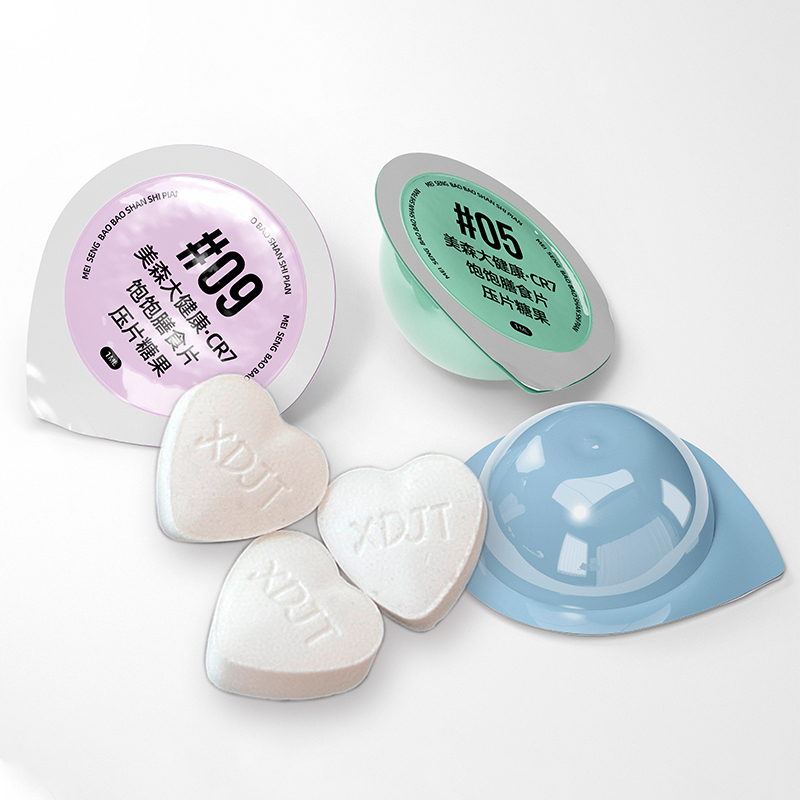
Equipment cleaning and residue verification
Tablet presses, blenders, granulators and coating pans are shared equipment. If cleaning between products is incomplete, residue from the previous batch becomes contamination in the next one, and this is especially visible between products containing botanical materials. Cleaning verification covers not only visible residue but microbial residue, normally by swabbing for total counts at the points where material sits longest and cleaning is hardest. Equipment should be dried promptly after cleaning so residual water does not create a damp environment inside the machine. Cleaning tools themselves need managing too: mops, cloths and brushes that are not segregated by area and sanitised become a permanent contamination source.
Release criteria and handling failures
Microbial release testing should at minimum cover total plate count, coliforms, moulds and yeasts, with Salmonella and Staphylococcus aureus added where relevant. When judging results, look at stability of the numbers rather than the pass line alone. If total counts swing widely across consecutive batches of the same product, process control is unstable, and even where every batch passes it is worth tracing back to material and environmental variation. When an out-of-specification result appears, isolate the batch, assess what has already shipped, then work back through materials, process, environment and equipment to find the source of the variation. Re-running the batch or tightening sampling on release is not a fix.
Microbial control in pressed candy is essentially upstream work. The better the material gates and the steadier the room discipline, the lighter the load on everything downstream. Turn material specifications, water quality, the drying window, environmental management and cleaning verification into standing rules, watch the trend of finished product data, and total counts become a predictable, manageable figure rather than a variable that makes every release a gamble.
Related Products
Glycerol diester coffee OEM OEM OEM OEM OEM meal replacement coffee MCT live broadcast same solid beverage source manufacturer | GLP-1 Semaglutide Satiety & Fat Blocker Tablets | Custom Pressed Candy OEM Manufacturing
About Guangzhou Mesen Health Biotechnology Co., Ltd
Guangzhou Mesen Health Biotechnology Co., Ltd is located in the Huashan Science and Technology Park, Huadu District, Guangzhou. The company has focused on OEM and ODM services for the big health industry for nearly 20 years, operating dedicated research, production, sales and management centres, and maintaining long-term strategic partnerships with well-known Chinese medicine colleges and research institutions. Capabilities span pressed candy, gummies, capsules, solid beverages, herbal teas, plant beverages, protein powders, dietary supplements and enzyme jelly - from formulation development through contract manufacturing. For details on minimum order quantities, sampling lead times and quotations, see our manufacturing advantages and product range, or contact us for a tailored proposal.
Further Reading