Moisture Control in Pressed Candy OEM: Drying, Equilibrium and Humidity
Most tablet quality problems trace back to moisture. Insufficient hardness, high friability, sticking, slow disintegration, softening or cracking in storage, and even out-of-spec micro results usually have a water content story behind them. In pressed candy contract manufacturing, moisture is not a parameter you can fix after the fact: it runs through raw material intake, granulation and drying, the tableting environment, and packaging and storage. Any weak link shows up in the finished tablet. This article covers why water matters, drying and endpoint determination, equilibrium moisture and plant humidity, the two failure families, release testing, and dehumidification upkeep.
Why moisture moves every other number
Water acts as both lubricant and binder in a powder bed, and the balance shifts with content. At the right level, granule surfaces have slight plasticity, particles bond under compression, hardness rises and friability falls. Too dry and granules become brittle and elastic, so tablets laminate and chip and friability worsens. Too wet and flow drops, material adheres to punch faces, and sticking begins; water also fills internal pores, slowing penetration of the disintegration medium and lengthening disintegration time. During storage, residual moisture becomes the vehicle for migration and reaction, softening tablets, shifting colour and degrading actives. Once you see water as the common variable, it stops being an isolated lab number.
Drying and endpoint determination
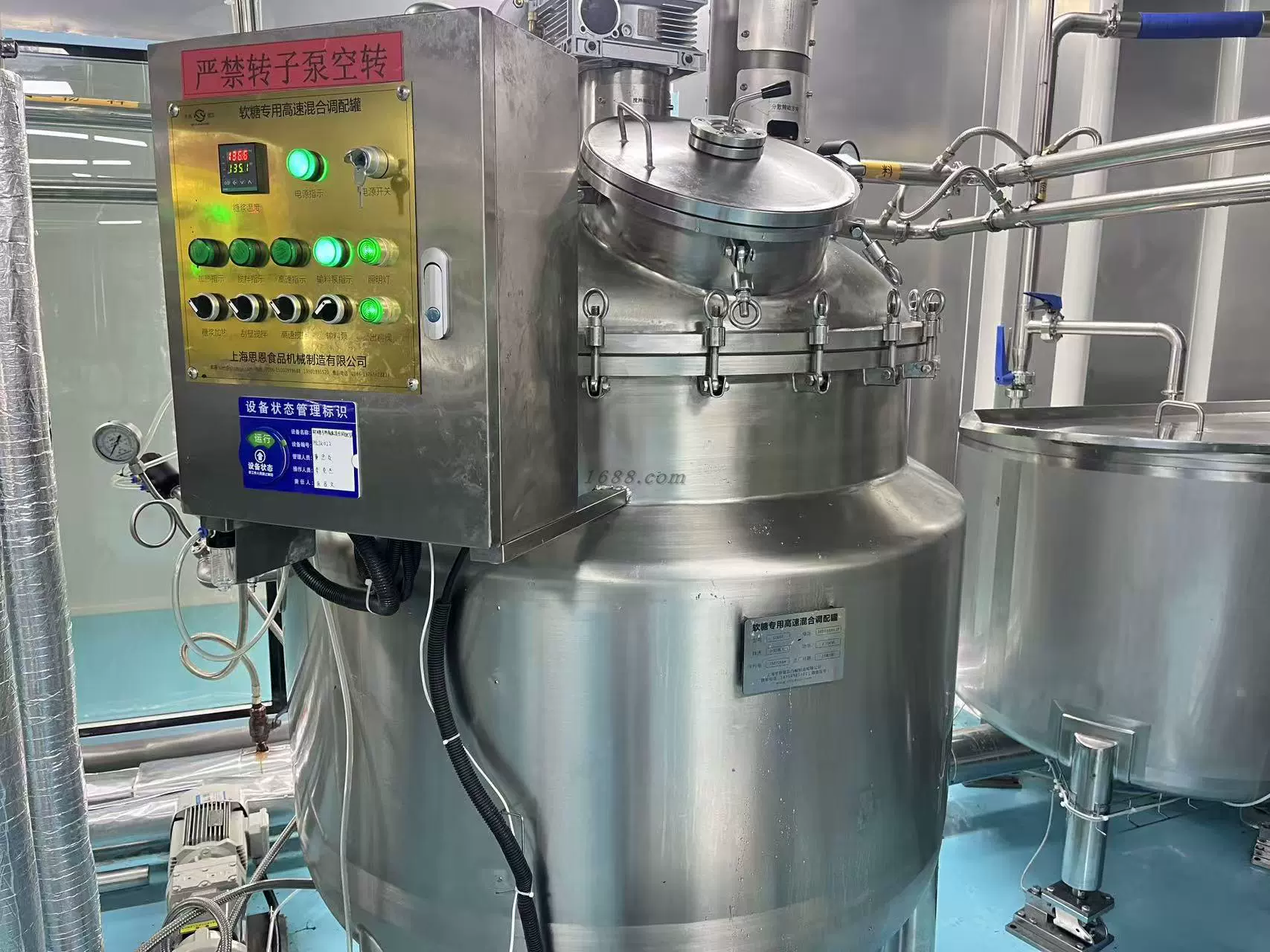
Wet granulation is where moisture is won or lost. Fluid bed dryers dominate because heat and mass transfer are fast and batch-to-batch consistency is good; tray ovens suit small lots and heat-sensitive material. The key variable is not inlet temperature but the endpoint. Practice is to set a loss-on-drying target rather than a fixed time - commonly two to three per cent - and to stop when sampled loss on drying confirms it. Inlet temperature must respect thermal sensitivity: too hot and granules case-harden, trapping water inside so the batch looks dry while tableting shows weight variation and local sticking. After drying, rest the granules so moisture redistributes before sizing and compression. That rest step is often skipped and it is exactly where batch stability is made.
Equilibrium moisture and humidity zoning
Granule moisture is not set by drying alone; it keeps exchanging water with room air until equilibrium. A well-dried batch exposed to humid air can regain a meaningful amount of water within an hour. Tableting areas therefore need humidity zoning: dispensing and granulation, compression, and packaging held at different relative humidity levels according to how hygroscopic the formula is, with desiccant-wheel or refrigeration dehumidifiers keeping the low-humidity zones in range. The second requirement is pressure cascade, holding the dry zones slightly positive so moist air cannot bleed in. Limit exposure steps too - opening, weighing and sieving. The longer material sits open, the more it takes up, which is why the same formula behaves differently in winter and summer.
The two failure families
Moisture defects fall into two groups, and classifying first saves a lot of time. The wet family shows sticking, picking, rising tablet weight, slower disintegration and higher microbial risk. Check whether the drying endpoint was met, whether room humidity was in range, whether material sat open too long, and whether punch faces have built an adherent layer that needs polishing. The dry family shows lamination, chipping, high friability, low and variable weight, plus noticeable static and dust. Check for over-drying, brittle granules, insufficient lubricant or over-mixing, and excessive turret speed that leaves no time for air to escape. The two families need opposite corrections, so a wrong call makes things worse - classify before you touch a setting.
Releasing on a combined specification
Moisture should not be released on its own. Combine it with hardness, tablet weight and friability into one specification. Sample the beginning, middle and end of the run rather than only the comfortable middle: within-batch moisture is not uniform and the extremes are where deviation hides. Fix the test method and keep it. Oven methods and rapid moisture analysers differ systematically, so pick one as the in-house standard and run a comparison before switching instruments. Put moisture, room temperature and humidity, drying time and equipment settings on the same record so a deviation can be traced to conditions rather than guessed at from finished goods. For export orders, factor in the destination climate: temperature and humidity swings in transit amplify whatever moisture you shipped.
Keeping the dehumidification plant honest
Dehumidification is the infrastructure behind moisture control, yet it is often treated as background equipment with no inspection routine. Desiccant wheels lose capacity with use, and inadequate regeneration temperature, contaminated wheels or clogged filters all raise supply-air moisture without anyone noticing - until tablets start sticking. Put regeneration temperature, supply air condition and filter differential pressure on the pre-shift checklist; put wheel cleaning and filter replacement on the maintenance schedule; and log temperature and humidity in the tableting room independently. Door discipline, air curtains and buffer rooms matter too, since people and material movement is the easiest path for humid air to enter. Get the plant right and moisture control finally has a stable base.
Good moisture control is not a laboratory result from one batch; it is the ability to make the same tablet from the same formula across seasons and shifts. Move the drying endpoint from time to loss on drying, hold humidity zones and maintain the dehumidifiers, release against a combined specification, sample all three stages, and keep the records. None of this appears on a quotation, but it decides how much rework and how many complaints the next few months contain - worth the attention at process freeze.
Related Products
Glycerol diester coffee OEM OEM OEM OEM OEM meal replacement coffee MCT live broadcast same solid beverage source manufacturer | GLP-1 Semaglutide Satiety & Fat Blocker Tablets | Custom Pressed Candy OEM Manufacturing
About Guangzhou Mesen Health Biotechnology Co., Ltd
Guangzhou Mesen Health Biotechnology Co., Ltd is located in the Huashan Science and Technology Park, Huadu District, Guangzhou. The company has focused on OEM and ODM services for the big health industry for nearly 20 years, operating dedicated research, production, sales and management centres, and maintaining long-term strategic partnerships with well-known Chinese medicine colleges and research institutions. Capabilities span pressed candy, gummies, capsules, solid beverages, herbal teas, plant beverages, protein powders, dietary supplements and enzyme jelly - from formulation development through contract manufacturing. For details on minimum order quantities, sampling lead times and quotations, see our manufacturing advantages and product range, or contact us for a tailored proposal.
Further Reading