
Changeover Cleaning in Capsule OEM: Residue Limits, Strip-Down and Verification
A capsule filling line is the classic shared-equipment, multi-product setting: formula A is running in the morning and formula B may start in the afternoon, with one shift of cleaning time in between. When changeover cleaning is loose, the risk is not only carry-over into the next batch; it can trigger allergen cross-contact, assay deviation and visible foreign matter all at once. In capsule contract manufacturing, cleaning is not a housekeeping gesture but a managed system with residue limits, sampling points and acceptance criteria. This article covers setting residue limits, strip-down and cleaning sequence, dead spots, cleaning verification, a changeover checklist, and the problems that recur most often.

Setting residue limits
Acceptable cleaning needs a number, not an impression. Limits are usually derived three ways. The first works back from the next product: use its daily intake and the proportion of the active to calculate the residue permitted on equipment surfaces. The second uses visual cleanliness as a floor - no visible residue at a defined illuminance and viewing distance - usually as a minimum rather than the only criterion. The third is set by the limit of quantification of the analytical method, using swab sampling confirmed to sit below the method's reporting threshold. In practice the three are combined: visual cleanliness is mandatory, numerical limits are set specifically for high-risk products such as strong allergens or potent actives, and everything else falls under a general limit. Once agreed, the limits belong in the cleaning procedure and must be applied the same way at every changeover.
Strip-down and cleaning sequence
Capsule fillers have a fairly fixed cleaning order, and working out of sequence re-contaminates parts that were already clean. The usual flow: empty the hopper and feed system and remove the dosing disc, tamping pins and ejection rods - the parts in direct contact with product; open the vacuum and dust-extraction lines and clear accumulated powder from inside the pipework; then deal with capsule transport and the closing station, removing broken shells and spillage; finally clean exterior surfaces, bench tops and floors. Removed parts go to the wash area and are handled coarse-to-fine, rinse before wash, with rubber and plastic components kept out of long hot soaks. After cleaning, dry and inspect, confirm no water marks remain, and reassemble in the reverse order. Allow a realistic cleaning window - squeezing the time is the most direct cause of a failed changeover.
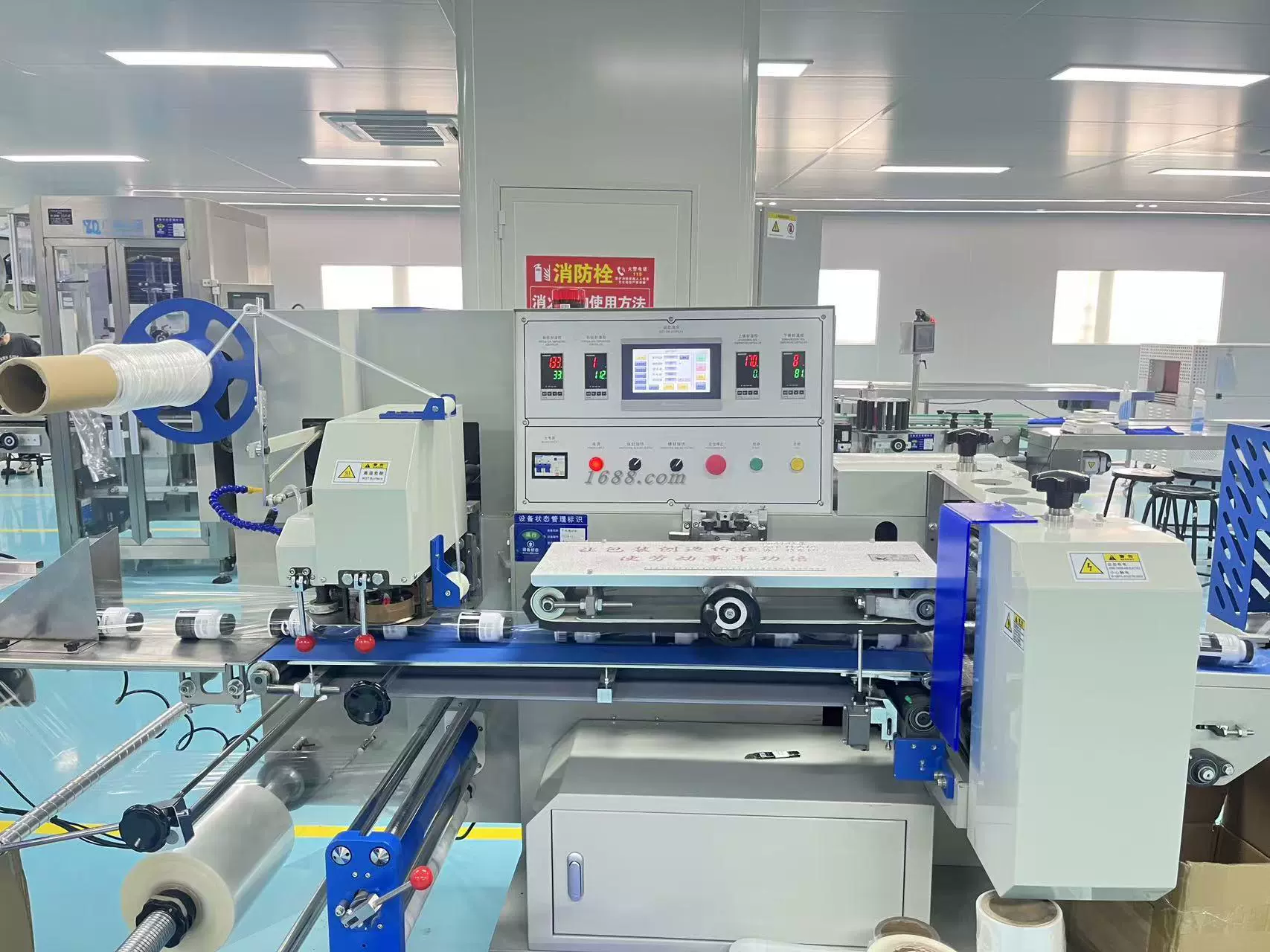
Dead spots and hard-to-clean areas
Experience points to six recurring locations. Threads and locating slots, especially dosing-disc retaining bolts and die-position grooves. Mating and overlapping surfaces, such as the fit between guide channels and push rods. Vacuum lines and dust-bag connections, where negative pressure carries powder deeper into the system. Seals and gaskets, whose surface roughness and elastic deformation trap powder. Hopper corners and the slope at the discharge outlet. Exterior control-panel edges and cable entries. Beyond more careful manual wiping, design changes cut the problem at source: quick-release fittings instead of threaded joints, fewer connections, radiused transitions. Cleaning procedures should list these locations as mandatory check points, and verification sampling should cover them first.
Cleaning verification
Verification exists to prove the cleaning method reduces residue below the limit under defined conditions. Sampling normally uses two approaches: swabbing for flat, accessible surfaces with a template fixing the sampled area, and rinse sampling for pipework and hard-to-reach areas, flushing a fixed solvent volume before analysis. Sampling points should cover the worst case, the most likely accumulation point and representative routine points, and should not be too few. Choose the analytical method to suit the residue: direct assay of the active is best, otherwise total organic carbon, conductivity or a protein colorimetric method can serve as surrogates. Verification typically requires three consecutive successful changeovers, with re-verification triggered by equipment changes, a new cleaning agent, or a significant change in product mix.

Changeover checklist
Turning cleaning into a checklist is what stops items being missed under time pressure. It should cover: previous materials and empty shells removed from the area with a documented return to store; hopper, dosing disc, tamping pins, rods and guide channels all removed, cleaned and correctly refitted; vacuum and dust lines cleared of powder; seals and gaskets inspected for wear and residue; benches, floors and walls cleaned; waste and cleaning tools handled as specified; the cleaning record signed by both operator and verifier; and the next batch's materials admitted only after cleaning is confirmed. The value of the checklist is that it converts experience-dependent actions into verifiable steps, and brings different shifts closer to the same standard.
Recurring problems and how to fix them
Four problems dominate on the floor. Cleaning time gets squeezed and items are skipped. Cleaning is confirmed visually only, with no sampling. A change of cleaning agent or concentration is made without re-verification. And every product change is treated to the weakest standard, with no risk tiering. The fixes mirror them: put the cleaning window into the production plan rather than leaving it to the line to absorb; require sampling and testing for high-risk products; route every cleaning-parameter change through change control and trigger re-verification; and build a product risk matrix that sets cleaning intensity by allergenicity, potency and colour depth.
Changeover control is fundamentally about turning invisible residue into measurable, verifiable, traceable data. Set limits by risk, clean in sequence, check dead spots against a list, verify by a reproducible method, and keep records signed twice. Do that and multi-product capsule manufacturing stops depending on how conscientious one particular shift happens to be.
Related Products
Vitamin D3 K2 with Magnesium & Zinc Softgels | VITAMIN D3+K2 MAGNESIUM+ZINC Softgels OEM | Calcium + Magnesium + Zinc + Vitamin D3 Softgels | CALCIUM+MAGNESIUM+ZINC D3 Softgel OEM
About Guangzhou Mesen Health Biotechnology Co., Ltd
Guangzhou Mesen Health Biotechnology Co., Ltd is located in the Huashan Science and Technology Park, Huadu District, Guangzhou. The company has focused on OEM and ODM services for the big health industry for nearly 20 years, operating dedicated research, production, sales and management centres, and maintaining long-term strategic partnerships with well-known Chinese medicine colleges and research institutions. Capabilities span pressed candy, gummies, capsules, solid beverages, herbal teas, plant beverages, protein powders, dietary supplements and enzyme jelly - from formulation development through contract manufacturing. For details on minimum order quantities, sampling lead times and quotations, see our manufacturing advantages and product range, or contact us for a tailored proposal.
Further Reading




