
Cross-Border Food OEM: Bonded Processing, Origin Rules and Duty Costs
The same product, the same factory, the same formula, shipped to the same market, can land at noticeably different cost. The gap usually has nothing to do with the processing fee and everything to do with the trade mode and the origin determination behind it. Ordinary trade, inward processing, bonded warehousing and re-export each carry different tax treatment, cash tied up and compliance obligations. Rules of origin then decide whether the product qualifies for a preferential rate, and that gate is not simply about where the last operation happened. In contract manufacturing for health food, cross-border cost modelling has to resolve those three layers at quotation stage, or the margin quietly disappears into duty and freight after the contract is signed. This article covers trade modes, bonded practice, origin rules, documentation risk and how to build the cost model.
Where each trade mode fits
Ordinary trade is the simplest: buy materials domestically, manufacture domestically, export under general trade. Documentation is light, the cycle is predictable, and it suits projects with adequate domestic supply and moderate volumes. Inward processing allows part of the material to be imported under bond and the finished goods to be re-exported, with no duty or VAT at the import stage. It suits products that depend on imported materials making up a large share of the finished item, such as certain whey proteins, specific botanical extracts and high-end packaging. The core constraints are that bonded materials must be used only for their declared purpose, books must match physical reality, and finished goods must be exported within a set period - supervision is markedly stricter than ordinary trade. Bonded warehousing and re-export suit staged shipments or light processing and repacking under bond: low cash tied up and flexible dispatch, at the price of demanding warehouse and ledger controls. Choose by material sourcing first, then order rhythm, then cost of capital.
Bonded operations in practice
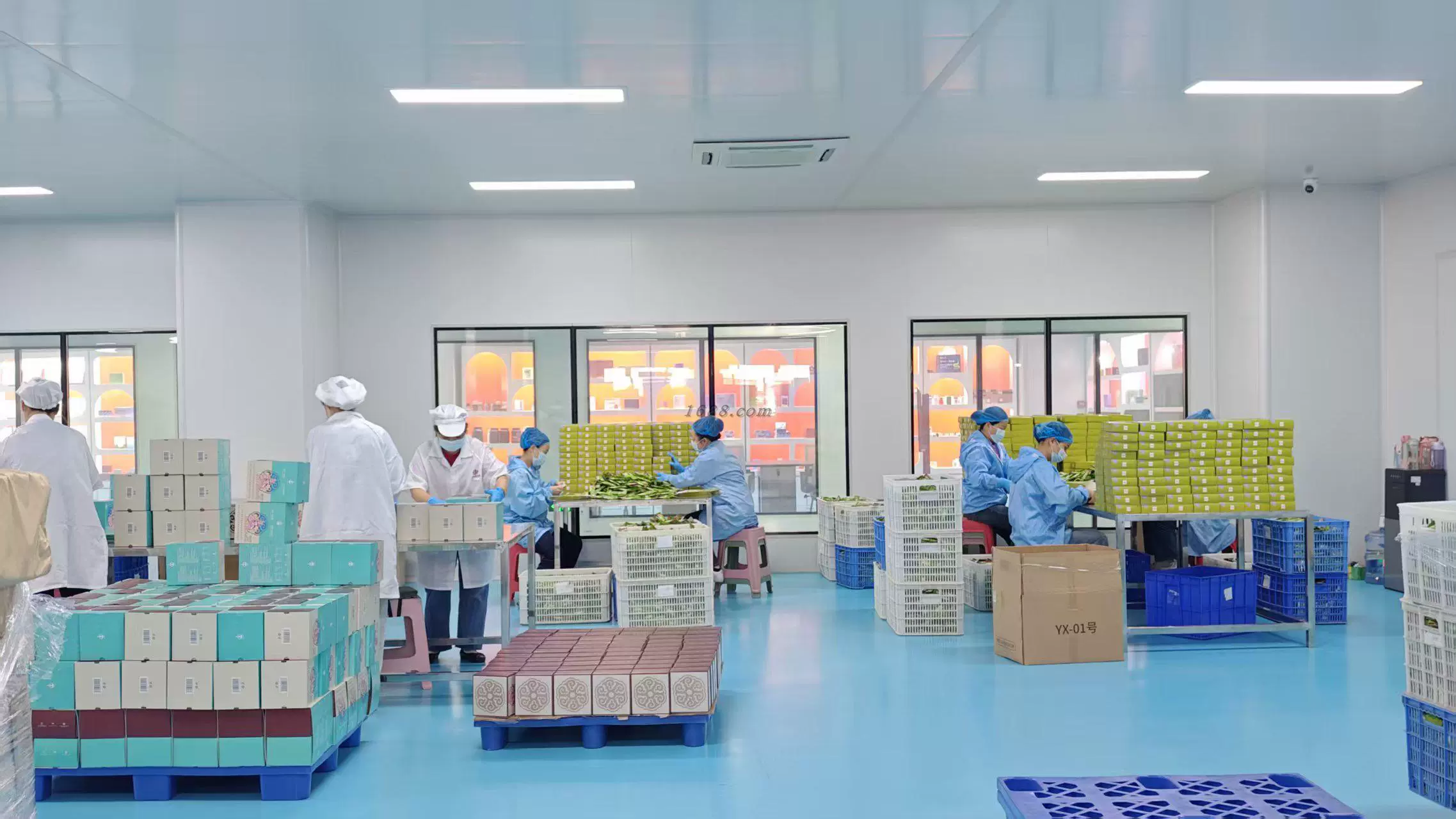
Bonded business is fundamentally deferral of duty, so the whole process turns on the ledger matching reality. First, ledger management: imported materials, consumption, stock and exported finished goods must reconcile, and the declared loss rate must reflect the actual process - too high or too low both create exposure. Second, dedicated use: bonded material cannot be diverted to non-bonded orders, so the shop floor needs physical segregation and labelling. Third, time limits: finished goods must be exported within the prescribed period or duty becomes payable, which means production planning needs real headroom. Fourth, stocktaking and reconciliation, where periodic counts are matched to the ledger and the data must tie back to production records and customs declarations. Fifth, internal control, with defined handling for any shortfall and proper training and authorisation for staff. Done well, the bonded route genuinely reduces cash tied up. Done badly, the compliance cost far exceeds the duty it avoided.
How origin is actually determined
Origin is usually decided by one of two routes. Wholly obtained applies to goods grown, harvested or produced entirely in one country, which excludes most processed foods. Substantial transformation applies, judged through change of tariff classification, regional value content, or a specific processing operation - different agreements use different combinations for different products. Regional value content is the most actionable for a manufacturer: the share of value originating inside the agreement area must clear a threshold, which means where you buy materials directly affects origin qualification. The commonest misconception is that performing the last operation locally confers local origin. In practice the test is the required classification change or the value threshold. A second misconception is ignoring cumulation: several agreements allow originating materials from other member states to count, and using that rule can bring some imported inputs inside the regional value calculation. Origin has to enter material sourcing decisions at project kick-off, because it constrains supplier choice.
Documentation and compliance risk
Risk concentrates in three places. First, a certificate of origin whose declaration does not match reality - incomplete sourcing records, unsupported value calculations - which on audit means certificate withdrawal and duty recovery. Second, tariff classification. Food and dietary supplements classify differently across markets, and a wrong classification means the wrong rate and a compliance problem for the whole shipment. Third, labelling and market access. Many markets review food labelling separately from the country of origin, and some ingredients are restricted or require prior registration. Those requirements must be confirmed before production, not after the container lands. Manage documents as checklists, one per market, confirmed item by item before shipment is booked.
Building the cost model
Model cross-border cost in six layers. First, material cost, calculated per sourcing location and trade mode, with a currency range. Second, processing cost, including the conversion fee and amortised tooling and sampling. Third, packaging cost, remembering that market-specific labelling and pack requirements bring extra development spend. Fourth, international freight and insurance, split by mode, volume and transit time, with reefer and ambient containers shown separately. Fifth, duty and taxes, at the destination rate and at the preferential rate where origin qualifies, with compliance costs included. Sixth, cost of capital, where the bonded route's advantage must be quantified or the comparison is meaningless. Lay the six out and run them against each trade mode; the answer is usually much clearer than comparing processing fees alone.
Where execution goes wrong
Three problems dominate. Production planning detached from export deadlines: bonded material is processed, the order slips, the goods miss the export window, and duty plus penalties follow. That requires treating the export deadline as a hard planning constraint. Second, late confirmation of labelling and ingredient compliance. Products with functional ingredients may need registration or assessment in some markets, which can take months, so it has to start alongside sampling. Third, a logistics plan that does not match packaging tolerance. High-temperature routes and multiple transfers test barrier performance and stacking strength, so a simulated transport test belongs before dispatch. What these three share is that they sit outside the factory but land on the factory's accounts, so project management needs a named owner tracking them and those milestones written into the schedule rather than handled reactively.
Competitiveness in cross-border OEM usually shows up as depth of understanding of the rules. Choose trade mode by material structure and cost of capital, run bonded business on books that match reality, bring origin qualification into sourcing decisions early, confirm documents market by market from a checklist, and model cost in six complete layers. Do that and an export project stops discovering its real profit only at the port of arrival.
Related Products
Vitamin D3 K2 with Magnesium & Zinc Softgels | VITAMIN D3+K2 MAGNESIUM+ZINC Softgels OEM | Calcium + Magnesium + Zinc + Vitamin D3 Softgels | CALCIUM+MAGNESIUM+ZINC D3 Softgel OEM
About Guangzhou Mesen Health Biotechnology Co., Ltd
Guangzhou Mesen Health Biotechnology Co., Ltd is located in the Huashan Science and Technology Park, Huadu District, Guangzhou. The company has focused on OEM and ODM services for the big health industry for nearly 20 years, operating dedicated research, production, sales and management centres, and maintaining long-term strategic partnerships with well-known Chinese medicine colleges and research institutions. Capabilities span pressed candy, gummies, capsules, solid beverages, herbal teas, plant beverages, protein powders, dietary supplements and enzyme jelly - from formulation development through contract manufacturing. For details on minimum order quantities, sampling lead times and quotations, see our manufacturing advantages and product range, or contact us for a tailored proposal.
Further Reading




