Stick Packs in Oral Liquid OEM: Single-Dose Filling, Sealing and Stability
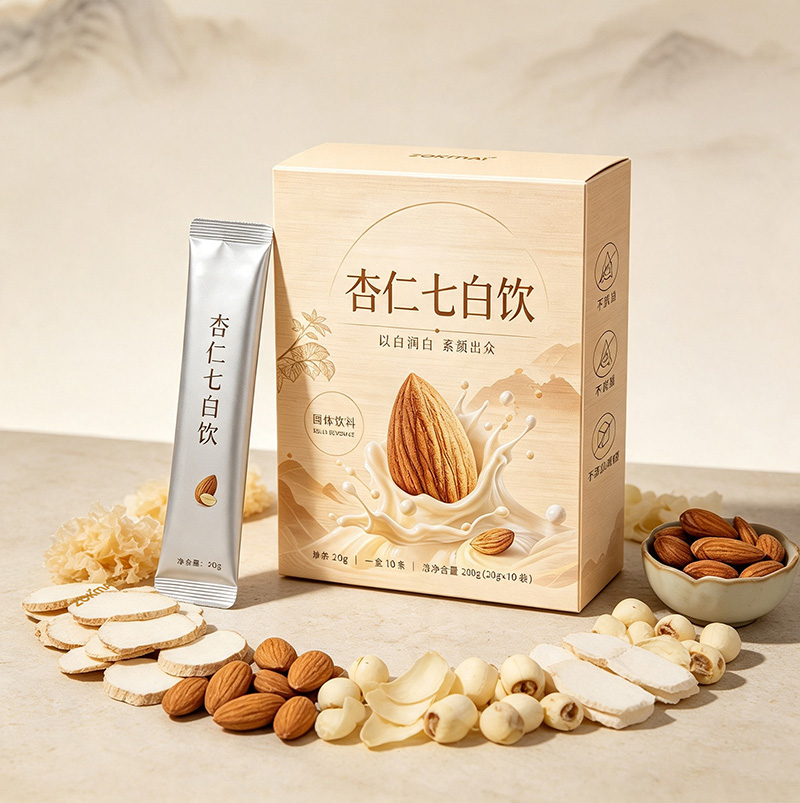
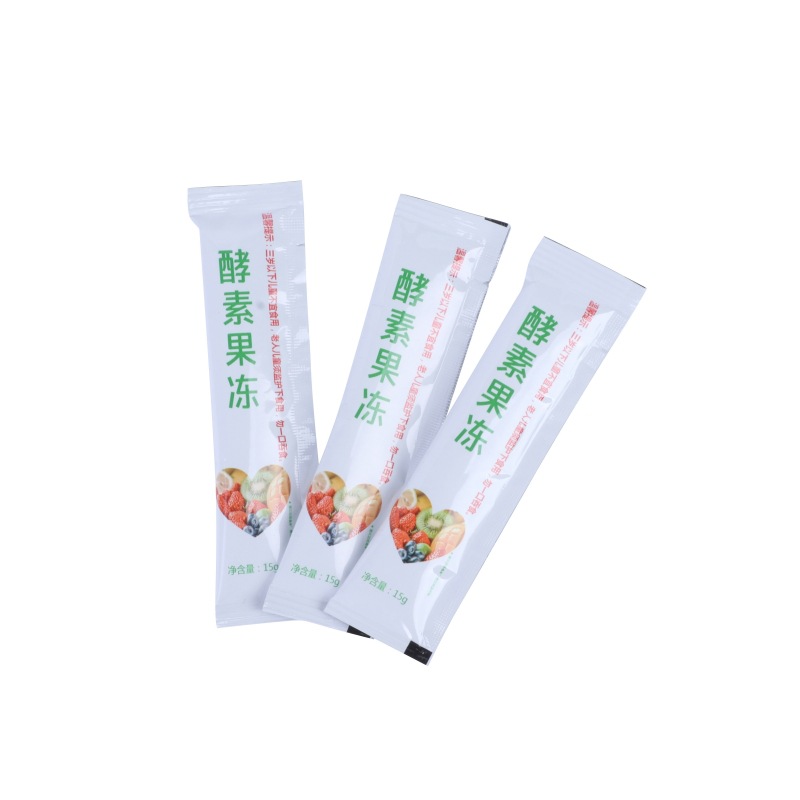
Stick packs are one of the formats most often asked about in oral liquid contract manufacturing. Against glass and plastic bottles the advantages are clear: single dose, portable, easy to open, lower packaging cost per unit, and less transport volume. The drink moves from the kitchen shelf into a bag or a desk drawer. Stick packs also put three packaging engineering problems on the table at once - film barrier, content control at the seal, and accuracy at small fill volumes. Get any one wrong and it shows up as leakage, swelling or underfill. This article takes the packaging points one by one.
Film: barrier, heat resistance and mechanical strength
Stick packs normally use a laminate. A typical structure runs sealant, barrier and print layers from inside out. The sealant contacts the product and carries seal strength, usually a polyethylene or polypropylene type; selection depends on the acidity or alkalinity of the product, whether it contains oil or alcohol, and the sterilisation method. The barrier layer blocks oxygen and water vapour, commonly aluminium foil, metallised film, ethylene vinyl alcohol or a high-barrier coating, and higher barrier costs more. The print layer defines appearance and branding. The three needs pull against each other: foil gives the best barrier but is opaque and can develop pinholes when folded, while a clear film shows the product but struggles to reach high barrier. Fix two things first - required shelf life and whether light protection is needed - then work back to barrier grade and choose a structure inside the cost band. Do not start by sorting options on price.
Seal window and product in the seal
Sealing is the densest source of defects. Three parameters dominate: temperature, pressure and dwell time. Too little temperature leaves the sealant under-melted and the seal weak, so packs split in transit; too much thins or damages the sealant, creating hidden channels that do not leak at first but seep later. Low pressure leaves voids, high pressure squeezes molten sealant out. Short dwell does not transfer heat fully. The three must be tuned together and verified with both peel strength testing and seal integrity testing, not by looking at whether the seam appears flat. Product in the seal is specific to stick packs: splashes during filling leave liquid or solids in the area that should be bonded. Countermeasures include increasing the distance between nozzle and seal zone, controlling fill flow to avoid splashing, adding an air blow or wipe before sealing, and splitting the seal into two passes so the first blocks residue and the second completes the closure.
Accuracy at small fill volumes
Stick packs usually hold ten to thirty millilitres, so a small absolute deviation is a large percentage. Accuracy depends on three things. The dosing method: gravimetric suits small volumes better, while volumetric is faster when viscosity is stable but is more sensitive to temperature and entrained air. Deaeration: dissolved and entrained bubbles occupy volume, so fills run low and vary. Valve and line stability: dripping on valve closure contaminates the seal zone. Every stick pack line should therefore run a fill capability study at start-up, taking enough samples to calculate mean and standard deviation and confirming the process is capable before commercial production.
Stability tests specific to single-dose packs
Stick packs need several tests that bottles do not. Weight loss over time, tracked by periodic weighing, shows whether the barrier meets the requirement. Seal strength over time should be re-tested under accelerated conditions to confirm the sealant does not age and embrittle. Compatibility matters more than in bottles, because the contact area relative to volume is larger, so migration and absorption risks are higher - watch flavour shift, colour change and possible leachables. Compression and flex testing simulates the squeezing and folding of transport and daily carry, which is where pinholes and micro-leaks appear. And opening performance: tear notch position and force need verification, since a pack that will not tear, or that sprays when torn, generates complaints.
Adjusting the production side
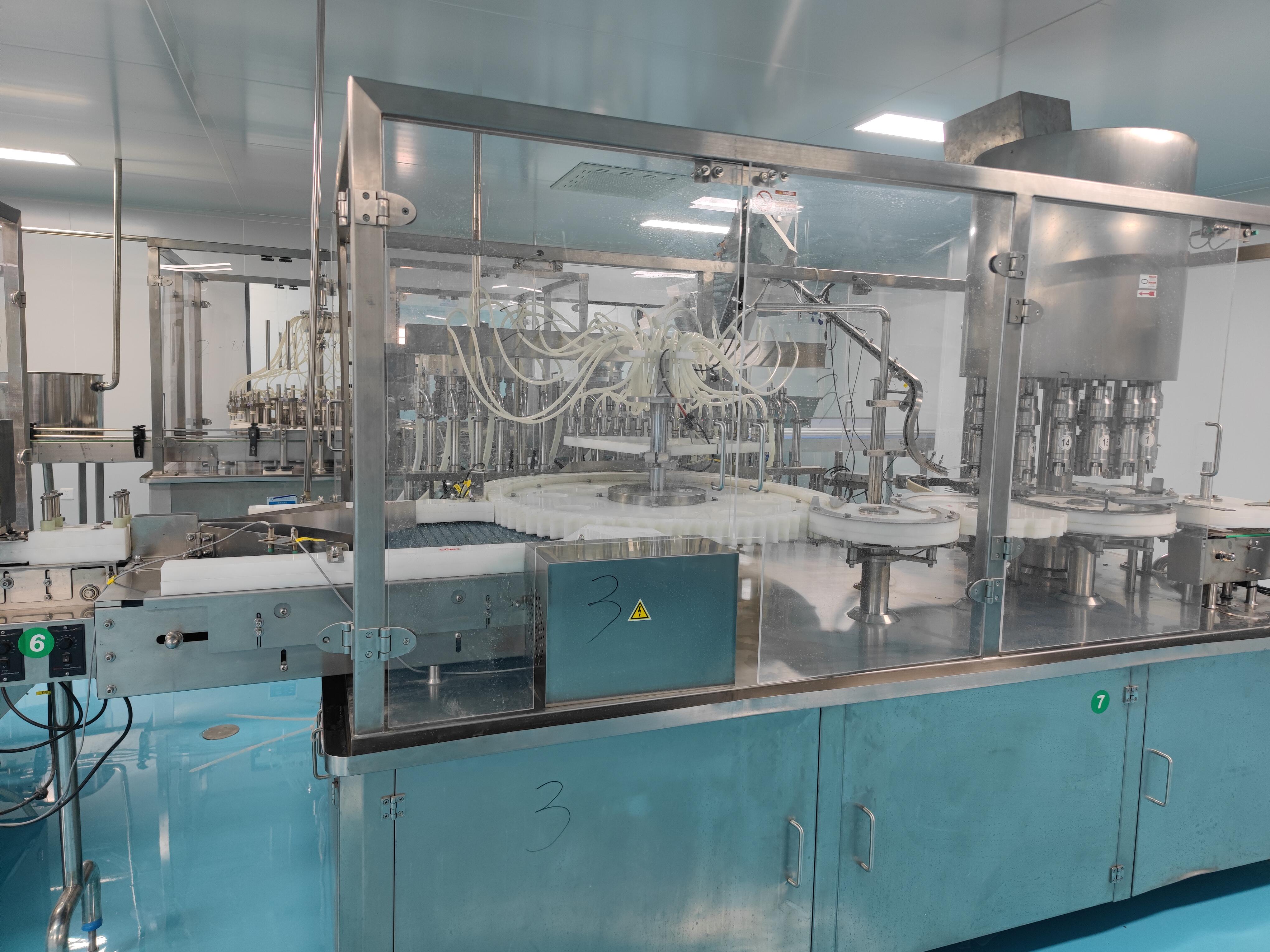
Moving from bottles to stick packs is not just new equipment. Filling environments need to be tighter, because small volumes are more sensitive to microbial contamination, so cleanroom class and operator practice usually have to step up. Inline inspection needs to expand beyond fill weight to include seal appearance and missing-pack detection. Cleaning and changeover also become more frequent: a form-fill-seal machine has many forming parts and tight clearances where residue hides, so the strip-down and wash procedure, plus its verification method, belongs in the documentation. Packaging material management matters too - laminates are sensitive to temperature and humidity, and poor storage degrades seal performance, so manage by lot and set a use-by date.
Four questions before choosing the format
Before deciding on stick packs, answer four questions. Does shelf life and storage condition require high barrier, and if so is the cost acceptable. Will viscosity, sugar content or oil content affect filling and sealing. Does the target occasion genuinely call for a single dose, or would a multi-dose format fit use habits better. And does the existing line have stick pack capability, or does it need outsourcing or new equipment. Answer these clearly and the packaging choice stops being driven by looks and fashion.
The core of a stick pack oral liquid is treating packaging as part of the formulation. Choose the film structure from shelf life and light protection, verify the seal on both strength and integrity, run a capability study before committing to small fills, add weight-loss and compatibility tests to the stability programme, and upgrade inspection and cleaning on the line. Do that and the portability advantage becomes real.
Related Products
Calcium + Zinc Oral Liquid Blueberry Flavor | Zinc Gluconate Liquid Calcium Supplement for Kids OEM | Kids Liquid Calcium with High-Potency Vitamin K2 & D3 | Calcium Zinc Oral Liquid for Teens OEM
About Guangzhou Mesen Health Biotechnology Co., Ltd
Guangzhou Mesen Health Biotechnology Co., Ltd is located in the Huashan Science and Technology Park, Huadu District, Guangzhou. The company has focused on OEM and ODM services for the big health industry for nearly 20 years, operating dedicated research, production, sales and management centres, and maintaining long-term strategic partnerships with well-known Chinese medicine colleges and research institutions. Capabilities span pressed candy, gummies, capsules, solid beverages, herbal teas, plant beverages, protein powders, dietary supplements and enzyme jelly - from formulation development through contract manufacturing. For details on minimum order quantities, sampling lead times and quotations, see our manufacturing advantages and product range, or contact us for a tailored proposal.
Further Reading