
Enzyme Jelly OEM Quotations: Juice Content, Gelling Agents and Packs
Two factories quoting the same enzyme jelly contract manufacturing formula can differ by thirty percent in unit price while appearing to offer the same product. The gap rarely sits in the conversion charge. It hides in the actual content and grade of raw materials, the choice of gelling system, and the structure of the packaging. On a quotation these differences collapse into one number, leaving the brand owner unable to tell what each offer really represents. This article opens the quotation up so buyers can see where the money goes and negotiate against a clear reference.

1. Six components make up a quotation
A complete enzyme jelly quotation has six parts. Raw materials cover fruit juice or vegetable concentrate, fermentation liquor, functional ingredients, sugar or polyols, acidulants and flavours. Gelling agents and stabilisers come second: gelatin, pectin, carrageenan and modified starch set the texture and vary widely in price. Packaging is third, comprising container, lid, pouch or carton and printing. Conversion charges cover labour, energy, equipment depreciation and factory overhead. Testing and compliance cover routine analysis, stability studies and any outsourced testing. Losses, tooling and plate fees form the last block, and custom moulds or unusual containers are usually listed separately. Seeing all six makes it possible to judge whether an offer is genuinely cheaper or simply contains less.
2. Juice content is the variable most easily left vague
The layered taste of an enzyme jelly comes largely from the amount of fruit or vegetable juice in the formula, and concentrate price and strength drive cost directly. A common pattern is a formula that mentions fruit juice without stating a level, so the factory doses to the lowest defensible amount and the product tastes thin and sweet-sour, forcing flavour systems to compensate; consumers rarely buy a third time. Sound practice is to specify the addition ratio in the technical requirement and list that line separately in the quotation so the client can see it. Where cost pressure is real, the sensible route is to reduce juice content while deliberately rebalancing acid, sugar and flavour to protect the eating experience, rather than leaving the decision to the factory and disappointing both sides.
3. Gelling agent selection affects cost and process together
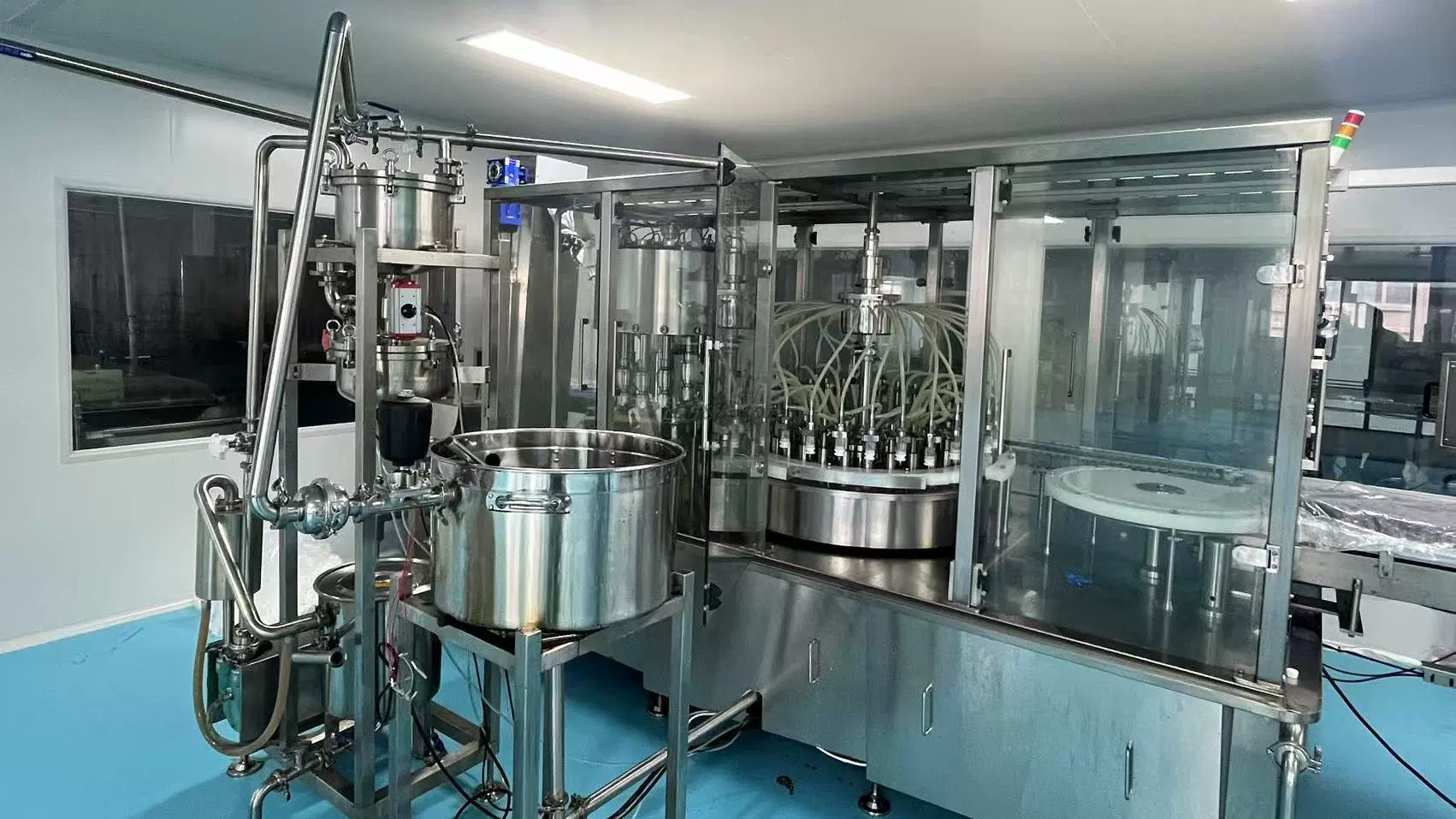
Gelling agents are the other main cost block and also set process difficulty. Gelatin is inexpensive and elastic but animal-derived, so it cannot support vegetarian or some export labels, and it softens and deforms at high temperature. Pectin, carrageenan and modified starch are plant-derived and support vegetarian and plant-based claims, but they cost more and are sensitive to acidity and ionic environment, which narrows the formulation window. Gelation temperature, syneresis tendency and acid tolerance differ between them, and those differences directly shape the filling temperature window and the risk of water weeping from the finished jelly. Selection should weigh material cost, process robustness and market claims together rather than picking the cheapest and dealing with complaints later.
4. Packaging is where hidden charges accumulate
Cups, sticks and shaped pouches are the common formats. Cups are structurally stable and fill efficiently, suiting larger formats. Sticks are portable with a small single serving, well suited to on-the-go use and online multipacks, but they demand tighter seal strength and dosing accuracy. Shaped pouches stand out visually but require custom tooling or plates and usually carry a higher minimum order. Hidden items in packaging quotes include the number of print colours and the process, special colours and foil or other surface treatments, the specification of the inner sealing layer, the lidding seal method, and whether tooling or plate charges are one-off or repeated on each reorder. Each should be itemised so that cost cannot reappear during production.

5. The logic behind minimum order quantity and trial charges
Minimum order quantity is not an arbitrary hurdle. It follows from the smallest purchase pack size of raw materials, the minimum print run for packaging, the economic batch size of the line and the time cost of changeover cleaning. For high-value ingredients, small batches push material loss and inventory burden onto the factory, which raises the threshold. Trial charges cover sampling and pilot production: materials, packaging proofs, equipment time and labour, normally billed separately, and they accumulate when a client revises the formula repeatedly. Understanding this lets a brand owner lower the threshold by consolidating flavours, standardising container sizes and committing to packaging early, instead of simply demanding a lower price.
6. The right order for cost reduction, and what not to cut
Effective cost reduction runs in a specific order. Standardise packaging sizes and reduce the number of flavours first, cutting changeover time and plate amortisation. Then optimise batch size so conversion charges spread over more units. Only then consider substituting raw materials, and any substitution requires an equivalence assessment and stability verification. What can usually be trimmed is packaging complexity, redundant flavour layers and an over-specified outer carton. What must not be trimmed is legally required testing, stability studies, the necessary content of key ingredients, and the packaging specifications that protect seal integrity and microbial control. Write these into the agreement and the pricing conversation gains a shared language.
Price differences between enzyme jelly quotations are really differences in product content. Lay out the juice level, the gelling system and the packaging structure, and both sides agree on what the price actually buys.
Related Products
Extra Strength Orange Enzyme Jelly with Prebiotics | Fruit-Flavored Cup Jelly Private Label OEM Manufacturer | Collagen Fruit & Vegetable Enzyme Jelly with Prebiotics | Custom Extra Strength Jelly OEM Factory
About Guangzhou Mesen Health Biotechnology Co., Ltd
Guangzhou Mesen Health Biotechnology Co., Ltd is located in the Huashan Science and Technology Park, Huadu District, Guangzhou. The company has focused on OEM and ODM services for the big health industry for nearly 20 years, operating dedicated research, production, sales and management centres, and maintaining long-term strategic partnerships with well-known Chinese medicine colleges and research institutions. Capabilities span pressed candy, gummies, capsules, solid beverages, herbal teas, plant beverages, protein powders, dietary supplements and enzyme jelly - from formulation development through contract manufacturing. For details on minimum order quantities, sampling lead times and quotations, see our manufacturing advantages and product range, or contact us for a tailored proposal.
Further Reading


