
Protein Powder OEM: Sport Nutrition Classification and Claims
In protein powder contract manufacturing, two questions come up more than any others: can we say it builds muscle, and can we call it high protein? The answer to both depends on one decision taken much earlier - the regulatory identity the product will be sold under. The same powder positioned as an ordinary food, as a sports nutrition food, or as a registered health food faces different formula constraints, different labelling requirements and very different room for claims. A factory that looks only at the formula and ignores identity often produces something technically sound whose label cannot be made compliant at any reasonable cost, forcing either a repackaging or a reformulation. This article sets out identity, formulation requirements and the boundary of what may be claimed.
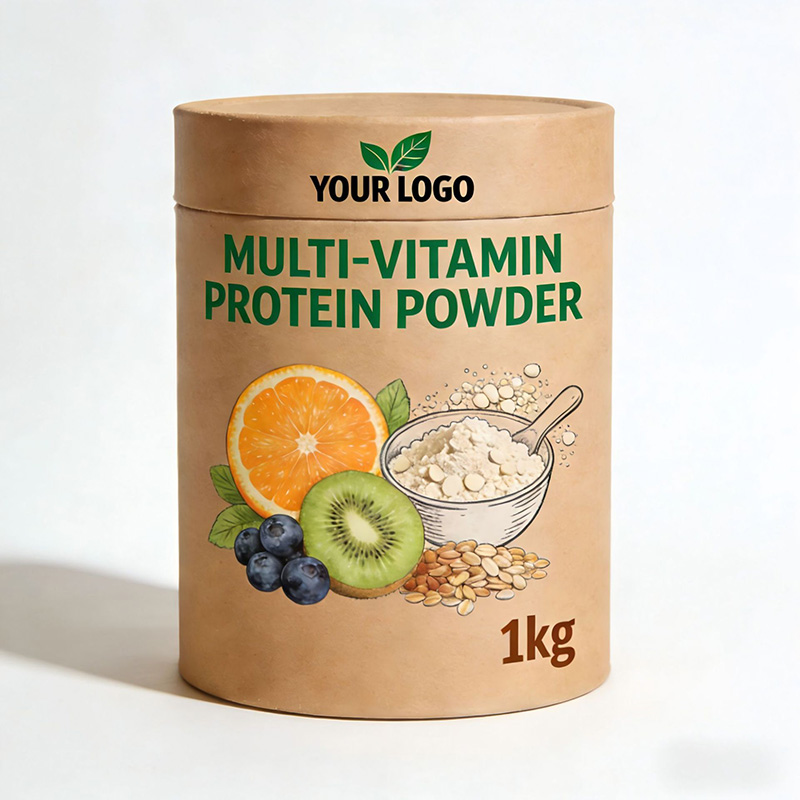
1. Choose the identity first, then write the formula
Protein powders reach the market under three common identities. An ordinary food has the lowest barrier and the fastest route to market with the greatest formulation freedom, but the narrowest claim space and no permissible health function claims. A sports nutrition food has its own classification and formulation requirements and permits user-group labelling, which is why it is the usual route for fitness products. A registered or notified health food allows explicit health function claims but costs more and takes far longer. Identity also affects which ingredients and additives are permitted, so the correct sequence is to fix the target market and identity path first and design the formula to fit; doing it the other way usually means starting over. This question belongs at the very start of a project, not after a client arrives with a finished formula asking whether it can be produced.
2. Classification drives the structure of the formula
Sports nutrition foods are normally classified by functional direction - energy supplying, energy controlling, protein supplying, and vitamin and mineral supplementing among the common ones - and each class carries its own composition requirements. For a protein-supplying product, the protein sources, the content level and whether other components are included all affect whether the product can be classified and named that way. From the factory side, the source ratio in the formula has to match the claim, the amino acid profile should be sensible, and excipients and flavour systems must not introduce anything that conflicts with the category positioning. Where a client wants to cover several functional directions at once, assess whether a category exists that can accommodate it; otherwise splitting into two products is usually better than forcing one formula to do everything.
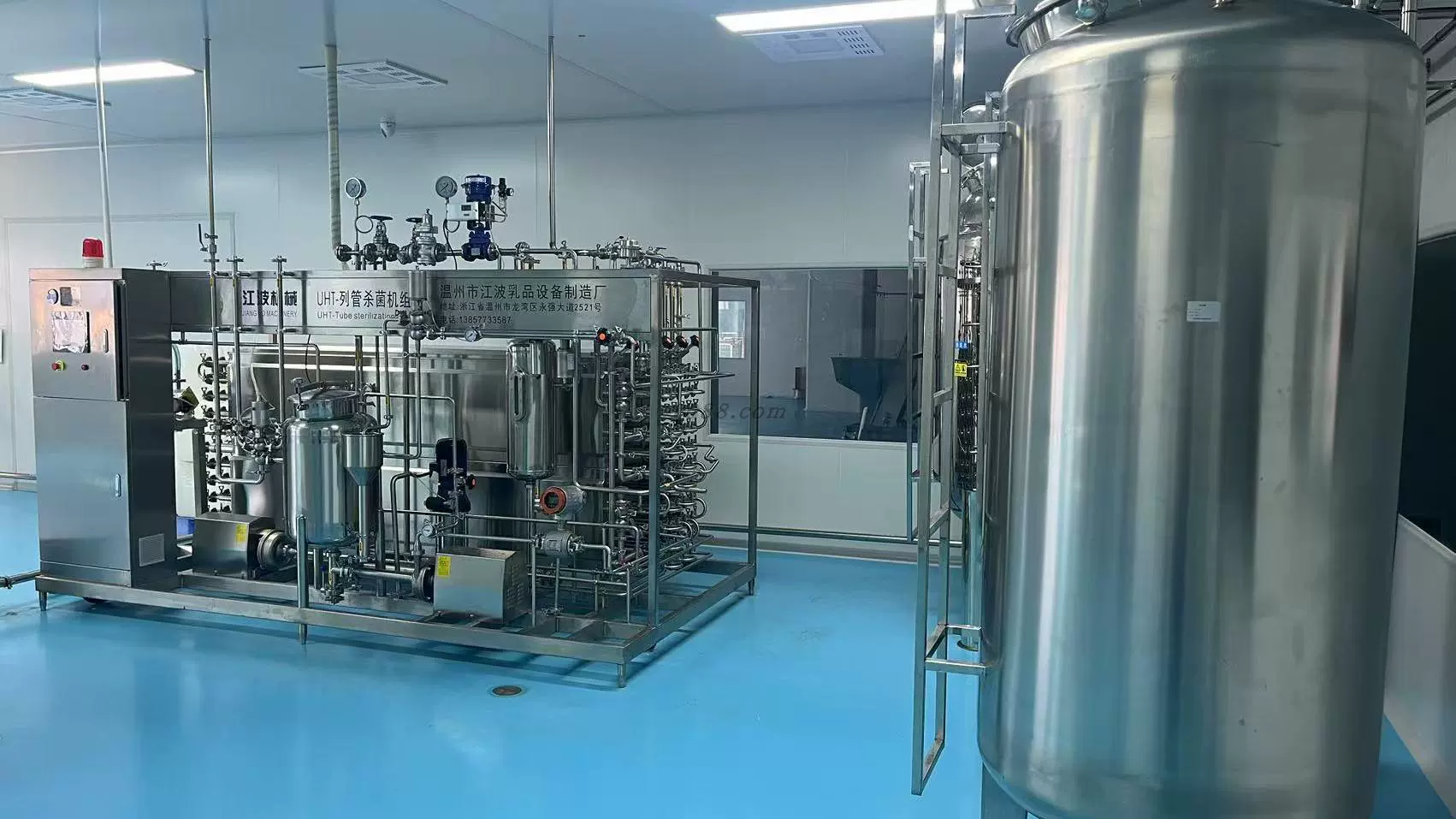
3. Protein content is not a number you simply choose
Protein content is the defining metric for this category and the one most likely to cause trouble. Three layers matter. First, the analytical basis: protein is normally derived from nitrogen, and the conversion factor and method both affect the result, so the same formula can give different numbers under different methods. The method therefore belongs in the specification and must stay consistent. Second, the relationship between declared and measured value: the declared figure needs analytical support and must account for change over shelf life. Third, dilution by other inputs: rising levels of flavour systems, sweeteners and thickeners directly reduce protein content, so that cost has to be budgeted during formulation. Where a client wants an impressive protein number on the front of pack, the factory should first work backwards to the raw material grades and excipient control that would be needed, then tell the client what that costs.
4. Claim boundaries: what can and cannot be said
This is where restraint matters most. Ordinary foods may not claim health functions or reference disease prevention or treatment; sports nutrition foods may state the applicable user group and category but may not claim to improve athletic performance or treat sports injuries. Requests such as builds muscle, burns fat or boosts endurance fall into the high-risk group under both ordinary food and sports nutrition frameworks and need to be replaced with objective description of composition and nutritional properties - the protein sources, the protein provided per serving, and the consumption scenario for the intended user. Comparative claims are another trap: asserting superiority over a named competitor requires solid substantiation and careful wording. The practical answer is to build the full list of external wording early in the project and have compliance confirm it line by line, rather than reworking finished artwork.
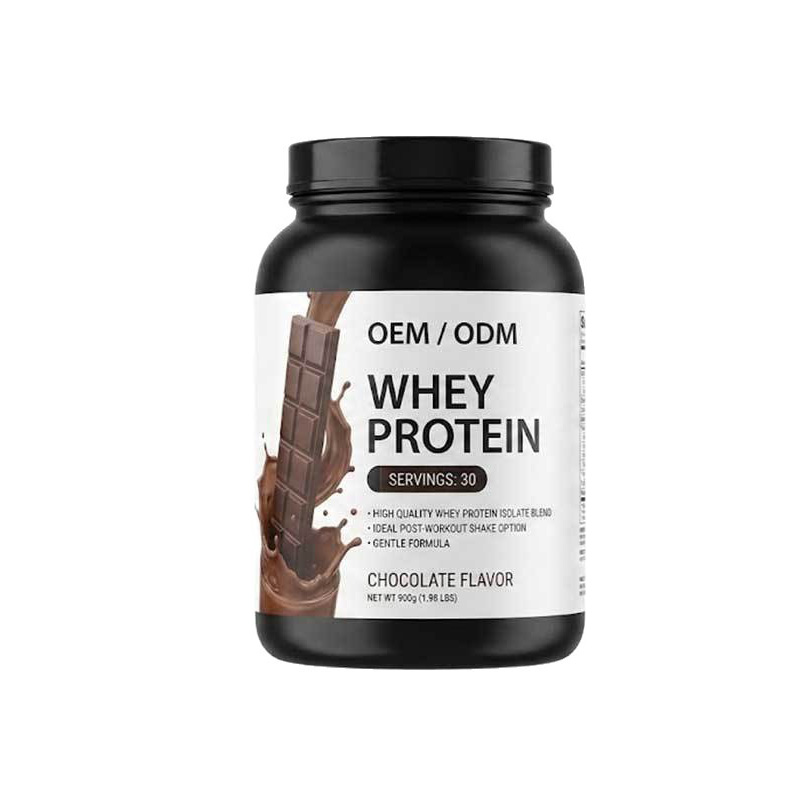
5. Run formulation and compliance in parallel
Much project time is lost to serial working: development writes a formula, then sends it for compliance review, then reworks it after problems appear, and two or three cycles later the launch schedule is gone. Working in parallel is far more efficient. As development designs the formula, it confirms the permitted ingredient range, the compliance status of the protein sources and the limits on sweeteners and flavours; compliance joins early and settles the label elements and claim list, so that when the formula freezes the label can freeze with it. In a contract project the factory is often the only party holding both the actual production details and the regulatory constraints, which makes proactively linking the two more valuable than waiting for the client to spot the problem.
6. Export projects need market-by-market review
Where a product targets overseas markets as well, formula and label need reassessment against each destination. Permitted ingredients, additives, nutrition labelling formats and tolerance of function claims differ markedly, and a formula compliant in one market may not hold in another. The usual approach is to designate one market as the master version, then adjust formulation and localise labelling for other markets, with the versions clearly distinguished in the technical specification so that production neither blends batches nor ships the wrong version.
The hard part of a protein powder project is not the formula but the consistency between identity, formula and claims. Fix the identity first, place the claim list ahead of formulation, and the project runs much more smoothly.
Related Products
Whey Protein Isolate with Vitamin B6 & B12 and Yeast Protein | Fitness Supplement OEM/ODM Source Manufacturer | Whey Protein Powder | Sports Nutrition Dietary Supplement Custom OEM
About Guangzhou Mesen Health Biotechnology Co., Ltd
Guangzhou Mesen Health Biotechnology Co., Ltd is located in the Huashan Science and Technology Park, Huadu District, Guangzhou. The company has focused on OEM and ODM services for the big health industry for nearly 20 years, operating dedicated research, production, sales and management centres, and maintaining long-term strategic partnerships with well-known Chinese medicine colleges and research institutions. Capabilities span pressed candy, gummies, capsules, solid beverages, herbal teas, plant beverages, protein powders, dietary supplements and enzyme jelly - from formulation development through contract manufacturing. For details on minimum order quantities, sampling lead times and quotations, see our manufacturing advantages and product range, or contact us for a tailored proposal.
Further Reading




