
Solid Beverage OEM Labelling: Naming, Product Identity and Usage
Solid beverages are a category with few consumer complaints in solid beverage contract manufacturing but a high level of regulatory attention. The reason is that a powder drink looks like milk powder, is prepared like milk powder, and yet can vary widely in price and composition. When the label is ambiguous, consumers readily mistake it for a food for special dietary use or an infant formula. For a brand owner, reprinting a label run costs far more than designing the packaging properly once; for a factory, label review is the last and most easily failed gate before delivery. This article deals with naming, product identity, the ingredient list and preparation instructions, and sets out a review workflow a factory can actually execute.
1. The product name has to reflect what the product really is
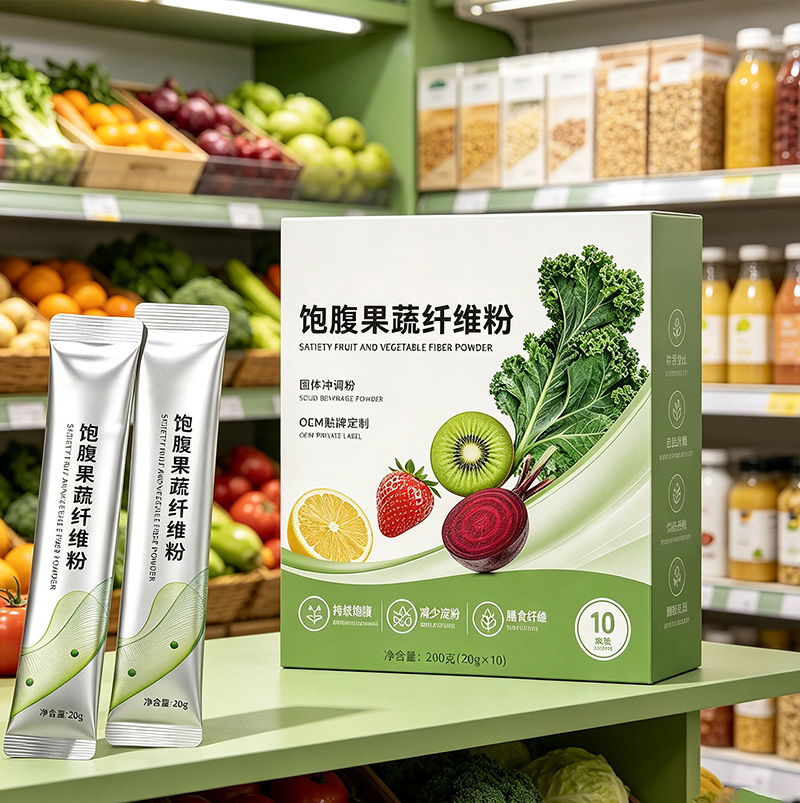
The most common mistake is showing only a brand or trade name. The rule is that the name must reflect the true nature of the food; a trade name may appear alongside it, but a consumer should never finish reading the pack without knowing what was bought. For solid beverages the compliant pattern is trade name plus category name, using the category term and qualifying it where the formula justifies it, such as by principal ingredient or by functional direction. Suggestive naming is what to avoid: calling a product a milk powder or a nutrition powder without declaring its true category, or using words tied to disease or to health functions, all carry real risk. Another frequent problem is a range of flavours sharing one overarching name with no distinction between them, which produces a wave of after-sales complaints when consumers pick up the wrong flavour.
2. Identity statements and warnings attract the closest scrutiny
Solid beverages carry a specific labelling requirement: the category term must be displayed prominently on the label, and names or packaging designs that resemble those of foods for special dietary use or infant formula must not be used. Where the protein comes from milk or soy, claims around protein content are also constrained: naming a product a protein solid beverage, or emphasising protein on pack, requires the product to actually meet the corresponding protein content requirement rather than simply asserting it. A warning statement is typically also required, to the effect that the product cannot replace foods for special medical purposes, infant formula or health foods. The exact wording follows the regulation in force, but the direction is unambiguous: a solid beverage must not be presented as a special food. Label review should treat this as a mandatory checkpoint rather than a nice-to-have.

3. Ingredient lists, cultures and emphasised content
Ingredients are listed in descending order of addition, which is straightforward in principle and error-prone in practice in three ways. Compound ingredients are often left unexpanded, so a blended raw material appears only under a generic name and the true composition is hidden. Probiotic products frequently mishandle culture declarations: species names are required, and any strain identifiers or viable counts emphasised on pack need analytical support rather than decorative copy. The third and most commonly cited failure is the link between emphasis and declaration. Once any ingredient or component content is emphasised anywhere on the packaging, the content must be declared on the label. For contract-manufactured products, clients often adjust ingredient ratios late in the project, so the factory has to confirm that the ingredient order on the approved label still matches the frozen formula, or an entire print run is wasted.
4. Nutrition panels and preparation instructions need the same attention
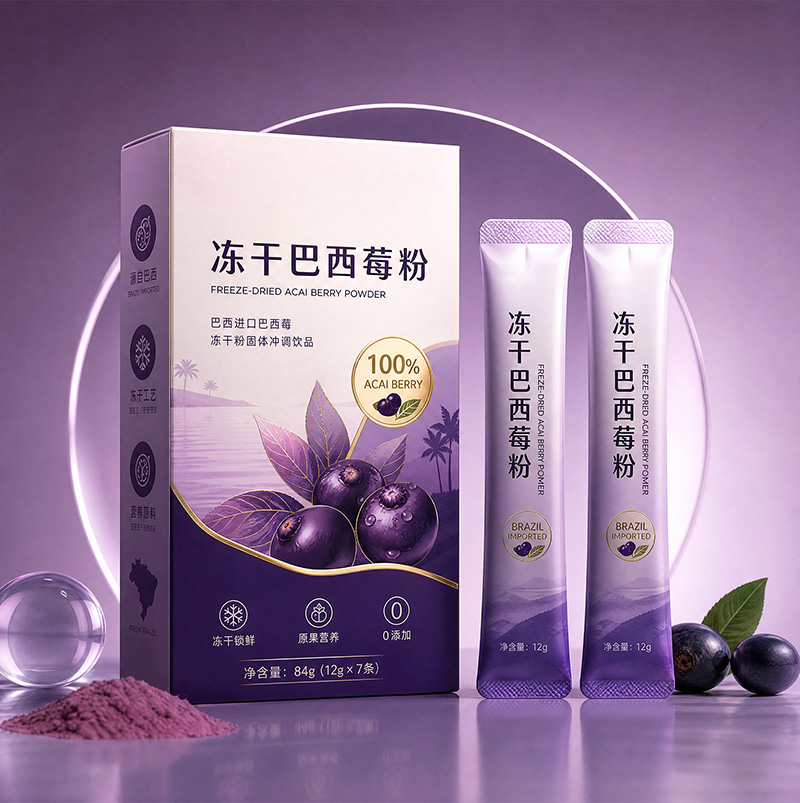
Problems with nutrition panels cluster around data sources and rounding. Figures should come from accredited testing or from a validated calculation, the basis of any calculated value should be retained, and shelf-life decline must be considered, particularly for vitamins and probiotics where content falls over time. Rounding follows the current rules and cannot be adjusted for appearance. Preparation and usage instructions are often written too loosely. Telling the consumer to take an appropriate amount in warm water offers almost no protection in a complaint investigation; better to state the serving size, the water volume or temperature range, and the number of servings per day with an upper limit. For probiotic products the maximum water temperature belongs on the pack, and where an ingredient suffers at high temperature the instruction should reflect that. These details read as trivia until the moment a consumer has nothing else to rely on.
5. Turning label review into a workflow
Making label review a process rather than a personal skill markedly reduces error rates. Four steps work well. First, freeze the formula: label design must be based on a frozen formula and specification, and revising the formula while designing is not permitted. Second, a first-pass review of the artwork by regulatory or quality staff, checking item by item: product name and true nature, identity statement and warning, ingredient order and expansion of compounds, nutrition panel and rounding, declaration of any emphasised content, net content and pack format, date marking and shelf life, storage conditions, and producer and distributor details. Third, physical proof check, comparing the printed packaging against the approved artwork word by word, with attention to type size, colour contrast and the proportion of label area. Fourth, archiving, keeping the review record, artwork and final packaging samples so that a regulatory inspection or a customer change request can be answered with evidence.
6. Allocate responsibility in the contract
Label compliance is one of the most common sources of disagreement between a factory and a brand owner. A workable split is this: the factory supplies the underlying facts from actual production - the true composition and the ingredient order - while the brand owner decides the product name, packaging design, claims and final artwork and carries the primary responsibility. The contract should state how artwork approval is given and where responsibility sits once approved, and should also require re-review whenever packaging changes or the formula is adjusted, so that a formula change with an unchanged label never becomes a situation where neither side can explain what happened.
Solid beverage labelling is not difficult to write; it is difficult to write completely. Treating naming, identity statements, warnings and preparation instructions as technical requirements rather than copywriting is what keeps this category out of trouble.
Related Products
White Kidney Bean Black Coffee Latte Powder | Instant Keto Enzyme Coffee Solid Beverage OEM Private Label | Protein Berry Meal Replacement Shake Powder | Satiety Smoothie Solid Beverage Custom OEM
About Guangzhou Mesen Health Biotechnology Co., Ltd
Guangzhou Mesen Health Biotechnology Co., Ltd is located in the Huashan Science and Technology Park, Huadu District, Guangzhou. The company has focused on OEM and ODM services for the big health industry for nearly 20 years, operating dedicated research, production, sales and management centres, and maintaining long-term strategic partnerships with well-known Chinese medicine colleges and research institutions. Capabilities span pressed candy, gummies, capsules, solid beverages, herbal teas, plant beverages, protein powders, dietary supplements and enzyme jelly - from formulation development through contract manufacturing. For details on minimum order quantities, sampling lead times and quotations, see our manufacturing advantages and product range, or contact us for a tailored proposal.
Further Reading




