
Plant Beverage OEM Formats: RTD Liquid, Concentrate or Freeze-Dried Powder
When a brand brings a botanical formula to plant beverage OEM, the first decision is not a formulation detail but the product format: a ready-to-drink liquid, a concentrate the consumer dilutes, or a freeze-dried powder reconstituted in water. The three carry entirely different processes, sterilisation routes, packaging costs, freight radius and usage occasions, and choosing wrongly misdirects every investment that follows. A frequent error is judging by packaging appeal and shelf presence at the concept stage while ignoring freight cost and whether shelf life actually matches the channel's rhythm, only to find at commercial scale that margin cannot support the model. This article lays out process differences, cost structures and application boundaries from a factory standpoint so the choice rests on evidence.
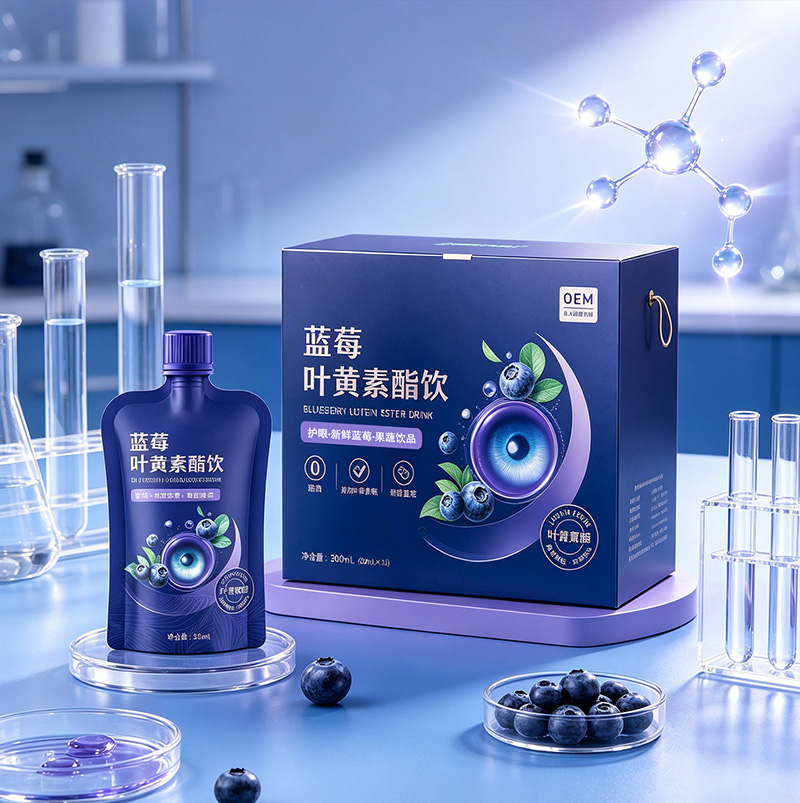
1. RTD liquid: mature process, longest chain
The advantage of a ready-to-drink liquid is the most direct experience. The consumer opens and drinks, no preparation is needed, and layered mouthfeel is easiest to deliver. The price is that the product carries all the water weight. Between eighty-five and ninety-five percent of the package is water, which pushes transport, storage and, where required, cold chain costs onto the pack and logistics, giving the highest freight cost per unit of active material. The process is complete: extraction, blending, homogenisation, sterilisation and filling. Sterilisation is the critical choice. Low-pH products can reach ambient stability with relatively mild conditions, whereas neutral or near-neutral products need higher intensity or an aseptic cold-fill system without preservatives, and long high-temperature treatment brings browning and flavour loss. The technical crux in RTD work is therefore reaching commercial sterility while preserving the botanical's original flavour and colour, which is exactly where equipment and processing experience earn their keep.
2. Concentrate: the compromise on volume and shelf life
A concentrate removes most of the water while retaining soluble solids, and the consumer dilutes to strength. The immediate benefit is a large reduction in shipped volume and therefore freight cost, and because high solids or sugar content creates osmotic pressure that itself suppresses microbial growth, shelf life management is relatively forgiving. Concentration is not merely evaporation, however. Evaporation is a thermal process, so volatile aroma compounds leave with the steam and some heat-sensitive components degrade, which is why concentrates often need aroma back-filling or low-temperature alternatives such as membrane concentration. Higher concentration ratios also raise viscosity and the risk of crystallisation and separation, requiring the stabiliser system to be rebalanced. There is one further variable: dosing accuracy, water temperature and mixing thoroughness all affect the final taste, which is why concentrates demand more consumer education than ready-to-drink formats.
3. Freeze-dried powder: lightness versus reconstitution
Freeze drying sublimates water from the frozen state under vacuum, bypassing the boiling stage entirely, so heat-sensitive components and volatile aromas suffer the least damage. That is its greatest technical strength. On reconstitution, a well-made freeze-dried product retains an open porous structure and dissolves fairly quickly, restoring colour and taste close to the original liquid. Its weaknesses are cost and process control. Freeze drying is energy intensive, the equipment is a large capital item, cycles are long, and output per unit is lower than spray drying, so cost per tonne is markedly higher. Formulation also matters: solids too high make drying difficult, too low wastes capacity, so concentration must balance drying efficiency against yield. In storage, freeze-dried powder is strongly hygroscopic and needs high-barrier packaging, otherwise it cakes and loses its porous structure, so packaging cost cannot be budgeted like an ordinary powder drink. This format suits mid-to-premium positioning where consumers pay for convenience.
4. Comparing the cost structures
Comparing the three requires separating production cost from cost delivered to the consumer. On production cost, freeze-dried powder is highest, since it adds freeze dryer depreciation and heavy energy use; concentrate is next; and RTD liquid, per unit of active material, is lowest. Once transport, storage and end-of-life loss enter the picture, the ranking often reverses. An RTD liquid ships several times the weight per unit of active material compared with a concentrate, so total cost climbs quickly on long routes. Freeze-dried powder is expensive to make but light, ambient stable and long lived, which makes it competitive in cross-border e-commerce and remote channels. Selection therefore should not start from the factory quotation but from channel structure. Proximity, high frequency, immediate consumption favours RTD. Community group buying and household stocking favours concentrate. E-commerce, gifting and outdoor use favour freeze-dried. Once the channel is fixed, the format usually answers itself.
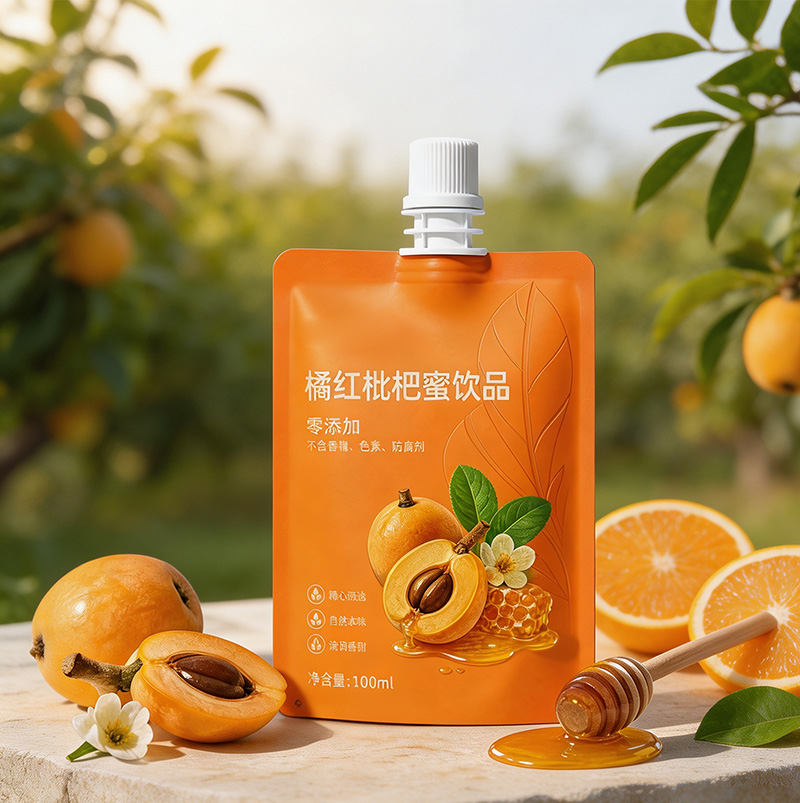
5. Practical limits of shared equipment
In theory the three formats can share one formulation platform; in practice equipment fit constrains the decision. RTD work needs blending tanks, homogenisers, sterilisation and a filling line, with sterilisation capacity as the bottleneck, since different pH and viscosity profiles demand different approaches and no single installation covers every category. Concentrate needs concentration equipment, and membrane and vacuum systems suit different cases: membranes are gentler on aroma but limited by achievable solids, while vacuum handles more throughput with greater thermal loss. Freeze-dried powder needs a freeze dryer and upstream preparation, and batch capacity dictates scheduling, which makes small multi-variety orders awkward. A contract manufacturer should therefore assess fit against existing capacity when quoting and, where necessary, offer process alternatives, for example converting an intended freeze-dried line to spray drying, or splitting an RTD concept into concentrate plus on-site dilution. Raising equipment limits at the outset saves far more trouble than reworking after the contract is signed.
6. What to verify in sampling and production
Whichever format is chosen, validation circles around three things: stability, sensory consistency and packaging compatibility. On stability, RTD liquids are checked for separation, sediment and colour change over shelf life; concentrates for crystallisation of solids and behaviour on reconstitution; freeze-dried powders for moisture gain and changes in dissolution speed under accelerated conditions. On sensory consistency, a reference standard should be established and compared periodically, because botanical raw materials vary by lot and flavour drift usually originates there rather than in the process. On packaging compatibility, RTD work examines migration and sorption between pack and contents, concentrates examine the effect of a high-solids system on seal components, and freeze-dried powders examine barrier performance and mechanical strength. Baseline data belongs in the sampling stage and should be compared per batch in production, so that a trend can be attributed quickly to raw material lot, process parameter or packaging material.
Related Products
Milk Thistle, Kudzu & Turmeric Beverage with Sea Buckthorn Puree & Honey | Herbal Oral Liquid OEM | Liquid Fruit & Vegetable Salad Fiber Drink | Dietary Fiber Meal Replacement Vegetable Juice Beverage OEM
About Guangzhou Mesen Health Biotechnology Co., Ltd
Guangzhou Mesen Health Biotechnology Co., Ltd is located in the Huashan Science and Technology Park, Huadu District, Guangzhou. The company has focused on OEM and ODM services for the big health industry for nearly 20 years, operating dedicated research, production, sales and management centres, and maintaining long-term strategic partnerships with well-known Chinese medicine colleges and research institutions. Capabilities span pressed candy, gummies, capsules, solid beverages, herbal teas, plant beverages, protein powders, dietary supplements and enzyme jelly - from formulation development through contract manufacturing. For details on minimum order quantities, sampling lead times and quotations, see our manufacturing advantages and product range, or contact us for a tailored proposal.
Further Reading




