
Filter Bag Selection in Herbal Tea OEM: Nonwoven, PLA Mesh and Nylon Pyramid Bags
Roughly half of how a herbal tea performs in the cup comes from the bag itself. The same blend packed in different media gives different infusion speed, liquor clarity and aroma release, so the consumer experiences two different products. Yet the bag is often discussed only after the blend is fixed, forcing either a reformulation to suit the material or a packaging cost that refuses to come down. This article compares the main filter media from the packing line, and covers sealing parameters, headspace for expansion, taint control and equipment compatibility. In our herbal tea OEM work, packaging selection runs alongside blend design so neither has to be revisited later.
1. How the main filter media compare
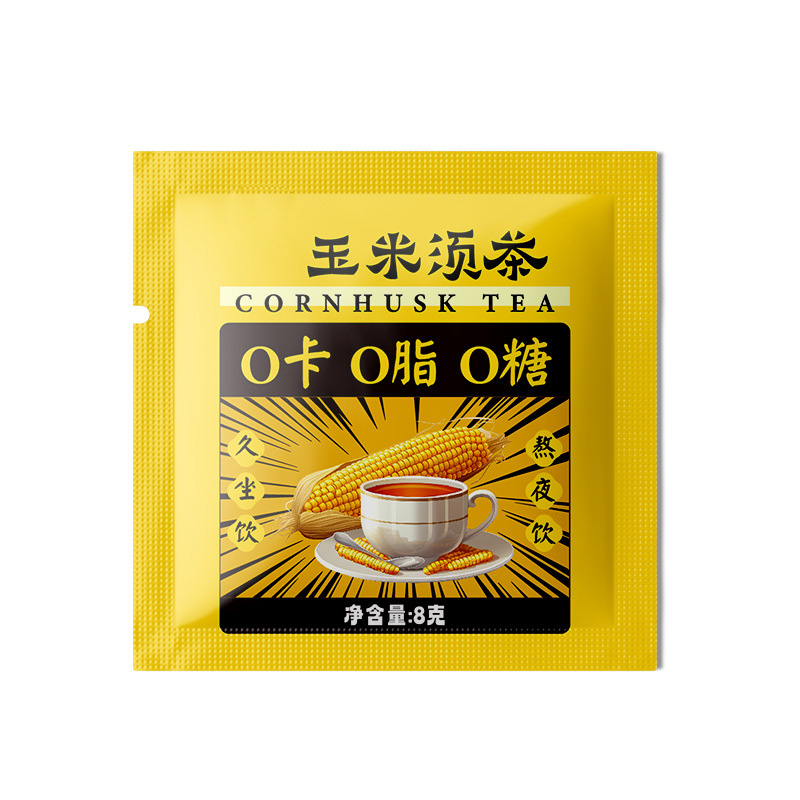
Four types dominate. Wood-pulp filter paper is cheapest and degrades readily, but wet strength is limited, suiting fast single infusions of broken grades rather than products intended for repeated or long steeping, where it can tear. Nonwoven, typically polypropylene or polyester, offers high wet strength and reliable heat sealing and accounts for the largest volume, at the cost of lower permeability and no biodegradability. PLA mesh, made from polylactic acid, is compostable, transparent and reads as premium, but has a narrow sealing window, higher cost and demands accurate temperature control. Nylon pyramid bags offer the best clarity, showing whole leaves and petals, which suits appearance-led products, though migration limits need checking at high brewing temperatures. Selection weighs positioning, brewing habit, cost and environmental claims together.
2. Pore size and infusion rate are linked
Pore size and porosity govern water throughput and therefore infusion rate. Too fine and water struggles to circulate, actives dissolve slowly, and the drinker finds the cup weak after three minutes. Too open and fines escape, the liquor turns cloudy and looks poor. Pore size must therefore be matched to particle size distribution, which is why particle design and packaging belong in the same conversation. The practical method packs one batch of blend into several pore sizes, then measures extractables, liquor colour and sensory score at a fixed brewing time to pick the best combination. Blends rich in volatile oils need particular care, since an open structure lets aroma escape quickly and flattens the experience.
3. Sealing parameters and closure reliability
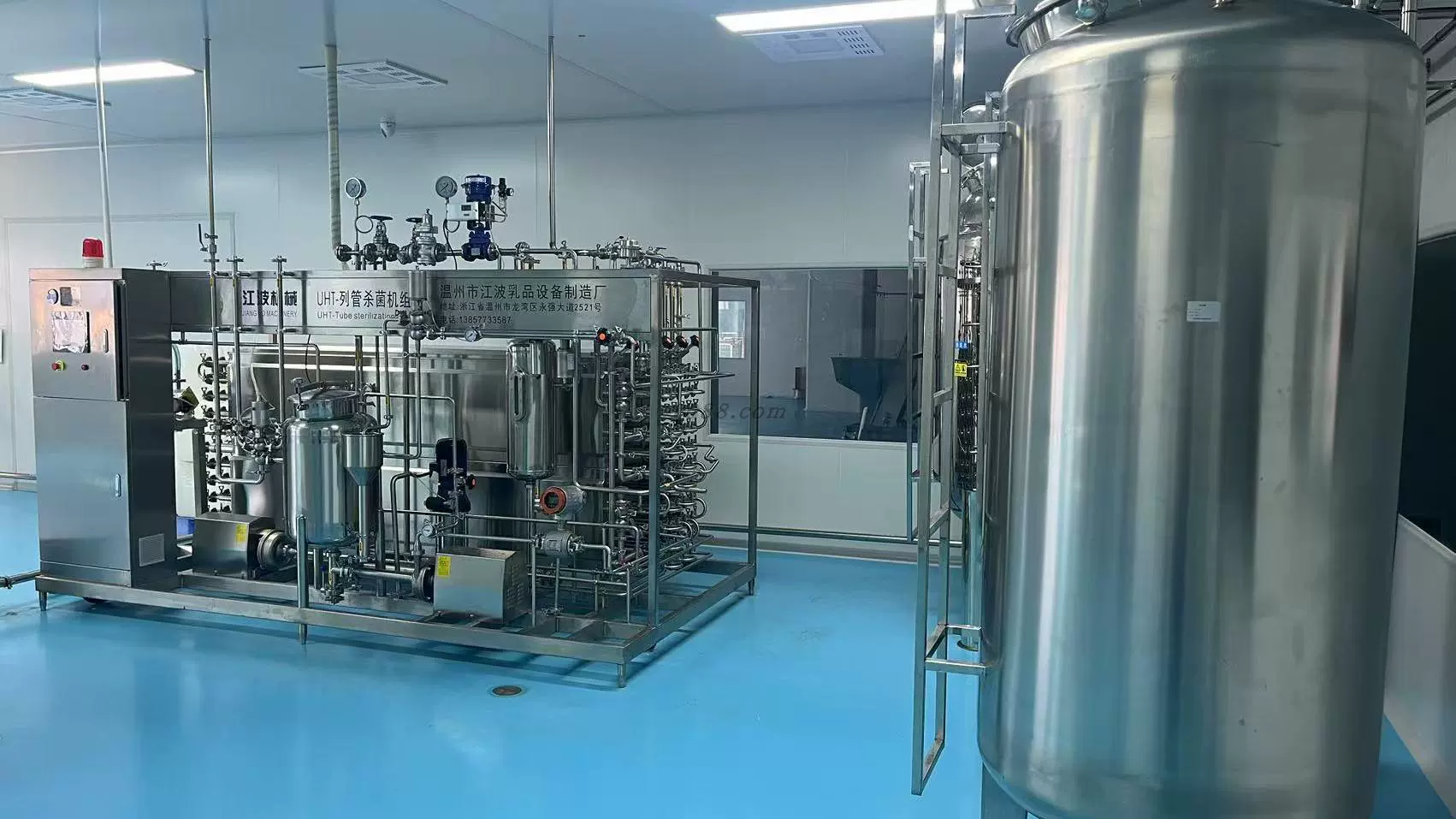
Closures are made either by heat or by ultrasound. Heat sealing relies on the fusible component of the medium, and temperature, pressure and dwell together determine seal strength: too cool and the seam splits and leaks, too hot and the material shrinks, distorts or burns through. PLA is the most demanding, often leaving an operating band of barely ten degrees, which makes machine temperature accuracy decisive, so a seal strength curve should be produced before committing. Ultrasonic sealing does not depend on a fusible layer and adapts across materials better, but equipment cost and maintenance are higher. Either way, seal strength testing and a post-infusion integrity check are required, with parameters recorded in the batch record.
4. Headspace and fill weight design
Ingredients swell once wet, and blends containing flower pieces or root slices can expand by more than thirty percent. A bag filled too full becomes taut after swelling, restricting water flow and risking rupture when the drinker stirs. The three-dimensional geometry of a pyramid bag tolerates this better than a flat sachet, which is part of why it suits whole-leaf material. Fill weight design should measure swollen volume and set bag size and fill ratio from that rather than from habit. Fill weight also has to reconcile with declared net content and the sachet count per carton, so that specification and reality do not diverge.
5. Taint, migration and compliance
The medium itself can contribute odour, particularly some nonwovens and adhesives that release a faint smell under heat which then carries into the liquor. Controls include choosing food-grade low-odour materials, requiring migration and sensory reports from the supplier, and running a blank-bag control at sampling stage, infusing an empty bag in water and tasting before production starts. On compliance, the material needs food-contact declarations and test reports, and export products must meet the destination rules, such as overall and specific migration limits for plastic food-contact materials in the European Union. These documents should be requested and filed at order placement rather than assembled under pressure at customs.
6. Line compatibility and cost structure
Materials also have to clear the equipment. Different bag formats need different machines: pyramid bags require a dedicated three-dimensional bagger, while flat sachets differ again between string-and-tag and plain versions, and conversion or changeover is not cheap. Minimum order quantities are affected too, since media are bought by the roll with minimum lengths, so small runs carry a higher material cost per bag. The sensible approach evaluates bag format, material, machine and order volume together at planning stage: proven, steady sellers justify dedicated equipment for efficiency, while trial launches suit a universally compatible format that keeps the cost of being wrong low. These decisions are best made with the manufacturer during sampling.
Related Products
Grape Oolong Fruit Tea Blend | Pyramid Tea Bags Herbal Wellness Tea Custom OEM | Corn Silk Herbal Tea | Wellness Herbal Tea Private Label OEM Manufacturer
About Guangzhou Mesen Health Biotechnology Co., Ltd
Guangzhou Mesen Health Biotechnology Co., Ltd is located in the Huashan Science and Technology Park, Huadu District, Guangzhou. The company has focused on OEM and ODM services for the big health industry for nearly 20 years, operating dedicated research, production, sales and management centres, and maintaining long-term strategic partnerships with well-known Chinese medicine colleges and research institutions. Capabilities span pressed candy, gummies, capsules, solid beverages, herbal teas, plant beverages, protein powders, dietary supplements and enzyme jelly - from formulation development through contract manufacturing. For details on minimum order quantities, sampling lead times and quotations, see our manufacturing advantages and product range, or contact us for a tailored proposal.
Further Reading




