
Enzyme Jelly OEM Plant-Based Gels: Gelatin Alternatives, Texture and Vegan Claim Rules
Demand for plant-based enzyme jelly is growing fast, and a lot of projects stall at sampling: replace the gelatin and the product either will not set, turns brittle and weeps water, or tastes chalky with muted flavour release. The reason is that gelatin works by a mechanism nothing else quite replicates, so this is not a one-for-one substitution but a rebuild of the entire gel system and its process window. When handling these briefs in enzyme jelly programmes we settle two questions first. Is plant-based here to serve vegetarian or religious consumers, or is it a clean label positioning. And is the target texture the springy chew of a traditional gummy, or is a softer jelly mouthfeel acceptable. Those two answers determine the route.

1. Why gelatin is hard to replace
Gelatin is unusual in being thermally reversible with a melting point near body temperature: it melts in the mouth, has both elasticity and toughness, and does not mask flavour. That comes from the helical network its molecules form on cooling. Plant hydrocolloids gel by entirely different mechanisms. Pectin sets through hydrogen bonding and hydrophobic interaction under high sugar and high acid. Carrageenan crosslinks with potassium or calcium ions. Konjac works synergistically with xanthan or carrageenan to build a composite network. None of them tastes like gelatin: high-methoxyl pectin is clean and brittle, carrageenan is elastic but prone to syneresis, konjac systems are springy with slower flavour release. So the first principle is blending, not substitution - two or three hydrocolloids combined to approach the target rather than hunting for a mythical plant gelatin.
2. Pectin systems: classic but demanding
High-methoxyl pectin is the classic gelling agent in jellies and jams, and it brings real advantages to plant-based jelly: high clarity, clean flavour release, a fresh mouthfeel. Its setting conditions, however, are strict - soluble solids usually above sixty per cent and pH between roughly two point eight and three point five, because sugar and acid are not just ingredients but prerequisites for the gel. Two consequences follow. Reduced-sugar or sugar-free products cannot simply rely on high-methoxyl pectin; they need low-methoxyl pectin with calcium-controlled setting. And the product has to be acidic enough, which constrains milder profiles. Processing matters too: pectin degrades under prolonged heat at low pH, so acid addition timing and cook time must be tightly controlled, typically adding acid after cooking once the mass has cooled somewhat.
3. The carrageenan and konjac route
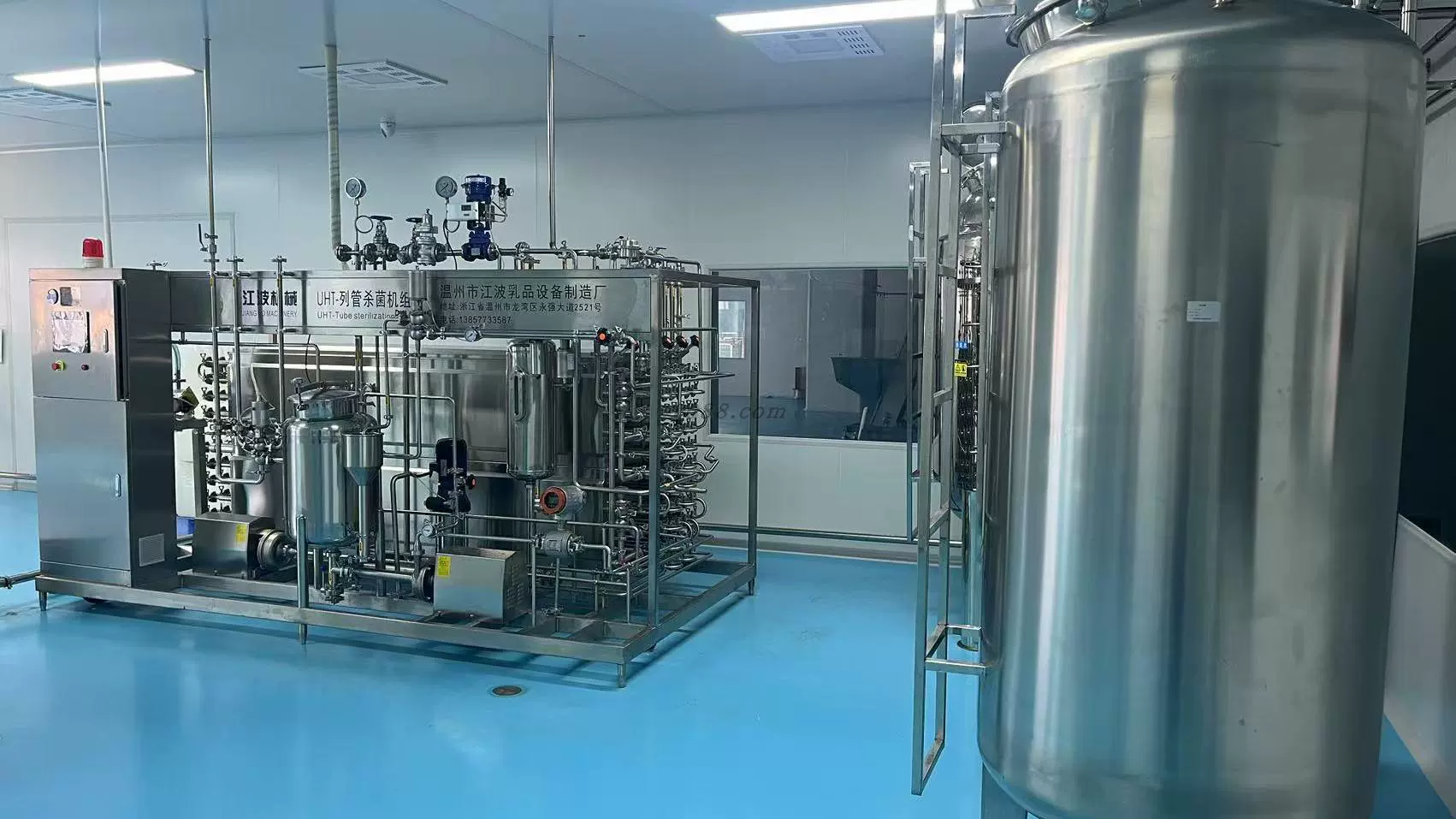
The other common route blends carrageenan with konjac, which underpins many vegetarian gummies. Carrageenan contributes strength and elasticity, konjac contributes water binding and a smooth mouthfeel, and together they gel far stronger than either alone while being far less demanding on sugar levels - which makes the system suitable for reduced-sugar and functional products. Three parameters control it. Ion addition, since potassium or calcium concentration directly sets gel strength and syneresis tendency, and excess makes the texture brittle and accelerates water separation. Cook temperature and hold time, because konjac needs full hydration and under-heating leaves a powdery, grainy note. And pH, since excessive acidity hydrolyses carrageenan over time and the product softens on shelf. The strengths of this route are cost and process maturity; the weaknesses are slightly lower clarity than pectin and slower flavour release.
4. Resetting the process parameters
Moving from gelatin to a plant system means rewriting almost every line on the process card. Cook temperature generally rises because plant hydrocolloids need more heat and longer hold to dissolve and hydrate. Depositing temperature rises with it, though too high increases volatile flavour loss and colour degradation. The cooling curve is where most of the trouble sits: gelatin sets fast at low temperature, while plant systems often need staged cooling that lets the network form before entering the cold zone, and cooling too fast produces uneven texture and syneresis. Drying changes as well, because water binding differs - over-dry and the product turns hard and tough, under-dry and it stays tacky and blocks together. None of this can be copied from a gelatin process card; it has to be re-run at pilot scale and locked.

5. Validating texture and shelf life
Plant-based jelly most often fails on shelf, in three ways. Syneresis, where the network contracts and expels water, showing as liquid in the pack and a sticky surface, driven by ion level, hydrocolloid ratio and storage temperature. Texture drift, with some products hardening and toughening over time - usually over-drying or moisture loss - and others softening and slumping, usually acid hydrolysis or hydrocolloid degradation. And flavour fade, because plant networks bind aroma molecules more tightly and some systems require harsher heat treatment, so losses exceed those in a gelatin system. Validation should add texture measurements - hardness, springiness, chewiness - and syneresis rate to the stability protocol, sampling under both ambient and accelerated conditions with defined upper and lower limits rather than judging on appearance and microbiology alone.
6. Where vegetarian and vegan claims begin and end
Finally, claims. Plant-based does not automatically entitle a product to vegetarian labelling; the two are judged differently and certification is separate. A vegetarian claim normally requires no animal-derived inputs at all - gelatin, beeswax, certain colours such as carmine, and animal-derived processing aids - with stricter schemes also requiring no cross-contact on the line. Vegan goes further and additionally excludes honey and dairy. Using a third-party vegetarian or vegan mark means completing certification and accepting audit; it cannot be printed on your own initiative. Regulatory treatment also varies by market, with the EU tightening expectations around vegan labelling, so cross-border sellers need to check in advance. The safe order is to make the formula and process demonstrably compliant first, then choose the wording, and keep full raw material origin evidence and production records behind it.
Related Products
Extra Strength Orange Enzyme Jelly with Prebiotics | Fruit-Flavored Cup Jelly Private Label OEM Manufacturer | Collagen Fruit & Vegetable Enzyme Jelly with Prebiotics | Custom Extra Strength Jelly OEM Factory
About Guangzhou Mesen Health Biotechnology Co., Ltd
Guangzhou Mesen Health Biotechnology Co., Ltd is located in the Huashan Science and Technology Park, Huadu District, Guangzhou. The company has focused on OEM and ODM services for the big health industry for nearly 20 years, operating dedicated research, production, sales and management centres, and maintaining long-term strategic partnerships with well-known Chinese medicine colleges and research institutions. Capabilities span pressed candy, gummies, capsules, solid beverages, herbal teas, plant beverages, protein powders, dietary supplements and enzyme jelly - from formulation development through contract manufacturing. For details on minimum order quantities, sampling lead times and quotations, see our manufacturing advantages and product range, or contact us for a tailored proposal.
Further Reading


