
Gummy OEM Allergen Control: Gelatin Sources, Cross-Contact and Changeover Verification
Gummies look like a gentle confectionery product, but from an allergen management standpoint they sit at the higher end of the risk scale. Three reasons explain why. The gel system depends on gelatin, and gelatin origin - bovine, porcine or fish - creates both religious and vegetarian constraints and may trigger a declaration obligation. Texture and taste upgrades routinely introduce nut pieces, milk powder, soy protein or gluten-containing excipients. And gummy lines are almost always shared across many SKUs, with sticky sugar residue that is far harder to remove than the dust left by tablets or powders. In gummy programmes we treat allergen control as a release prerequisite on the same level as microbiology, not because of inspections but because one missing declaration can cost a brand many times the value of the order.
1. Build the list rather than copying the regulation
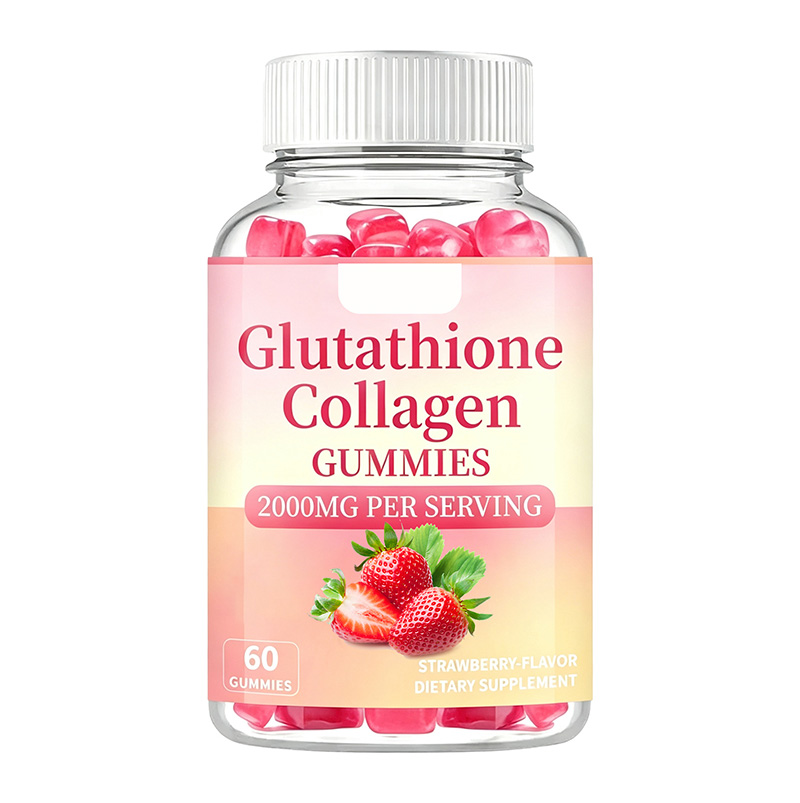
Many plants keep a list limited to the eight legally mandated allergens, which is nowhere near sufficient for export work. Three lists are needed in practice. The statutory list must be maintained per target market, because China, the EU, the US and Southeast Asia differ both in which substances are covered and how they must be declared - lupin, celery and sesame are mandatory in the EU but not domestically. A customer-specific prohibition list matters just as much: gluten-free, gelatin-free or vegetarian commitments are not statutory allergens but they are product promises and need identical control. A hidden-source list covers flavour carriers, colour diluents, release oils and polishing waxes, all of which are routinely overlooked. Every list item has to appear on the material specification, and procurement must re-check it whenever a source changes.
2. Gelatin origin has to be traceable to the batch
Gelatin is the most critical and most fragile input in a gummy. The risk is rarely the gelatin itself; it is origin and commingling. A single supplier often provides bovine bone, pork skin and fish gelatin, and without physical segregation in the warehouse and at issue, mixing is close to inevitable. The disciplined approach is to store by origin in separate zones under separate codes, apply two-person verification at issue, and record batch and origin at the charging step. For halal or vegetarian export orders, obtain origin certificates and a line-separation statement from the supplier. One frequently missed detail is the processing aids and enzymes used during gelatin manufacture, which can raise the same origin questions and should be closed out during supplier approval.
3. Sequencing production on a shared line
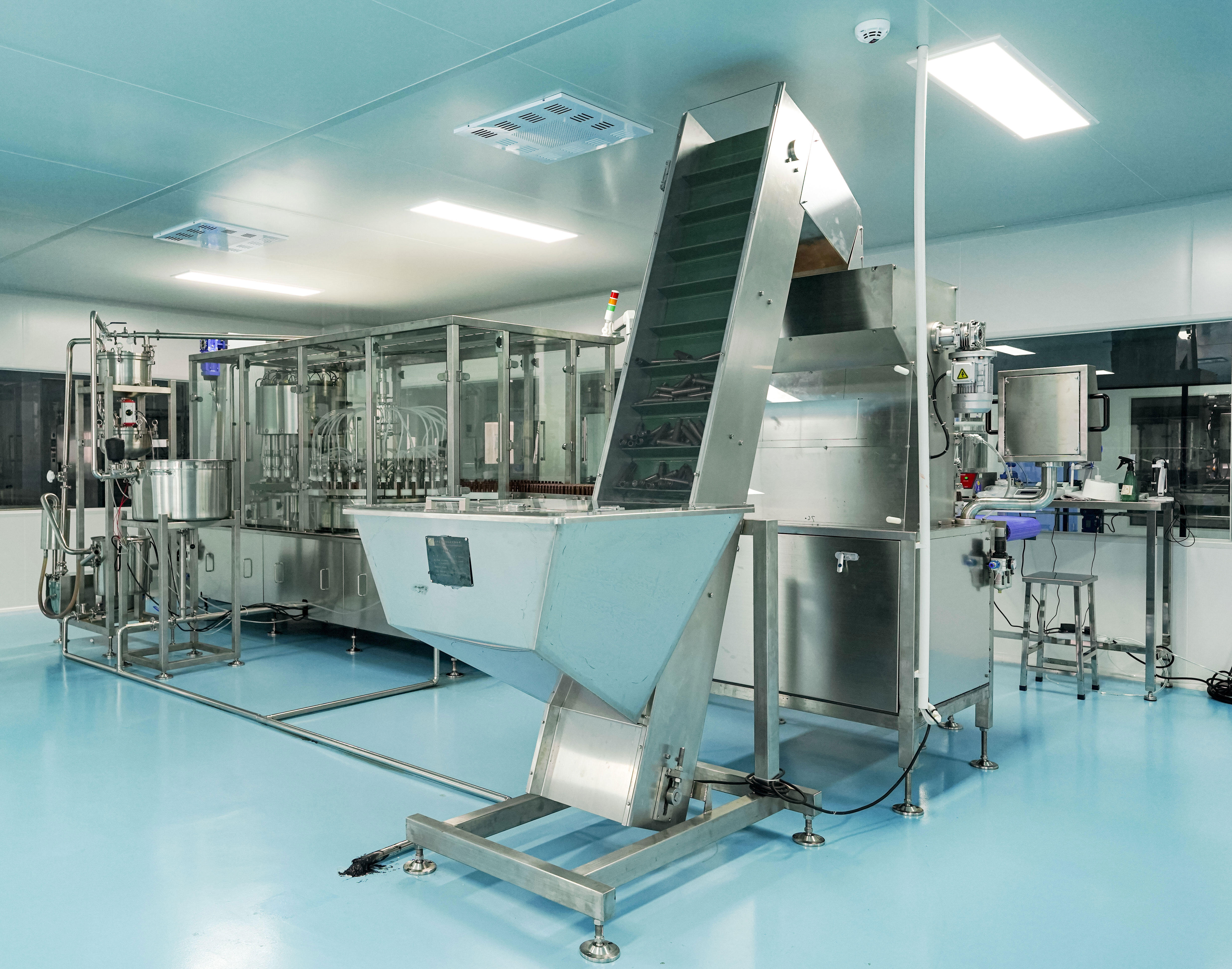
Gummy lines change over constantly, and sequencing is the cheapest control available. The rule is one-directional from low to high risk: allergen-free products first, then products containing allergens, finishing with the one carrying the most allergens or the highest concentration. After a high-risk batch a full changeover is mandatory before returning to a low-risk product. Vitamin and mineral functional gummies normally run early; nut, milk and pollen products run late. The sequence should be fixed at the weekly planning meeting, and any inserted order requires re-evaluation of its position. The key point is that sequencing is itself a control measure: it belongs in a document with an approval record, not in a supervisor's head.
4. What a completed changeover actually involves
The difficulty with gummies is adhesion. Residual sugar mass clings to cooking kettles, depositing heads, pipework and mould crevices, and a simple rinse will not remove it. An effective procedure has four stages. Physical removal first: strip downable parts and scrape visible residue. Then hot water or alkaline circulation with defined parameters, for example above eighty degrees for twenty minutes. Then rinse to neutral and dry, because standing water creates a microbiological problem. Finally verification, by visual inspection plus a rapid test where warranted. Protein residue swabs or ATP fluorescence are the usual choices and work particularly well after milk or nut products. Records must capture time, operator, checker, test result and, where useful, photographs.
5. Verify that cleaning works, do not assume it
A finished cleaning cycle is not a validated one; effectiveness needs data. The industry approach is cleaning validation: select the hardest-to-clean product as the challenge, complete the changeover, then sample the final rinse or the first portion of the next batch and test for the target allergen against a defined acceptance limit. Three consecutive successful runs are the usual evidence that the procedure is reliable. Re-evaluation follows any new allergen, equipment change or cleaning agent change. Where volumes are small but the allergen count is high, a dedicated production block separated in time can be the safer option: utilisation drops, but so do management cost and risk.
6. Labelling and where precautionary statements belong
The last step is declaration. Two strategies exist: declaring allergens actually present, which is mandatory, and adding precautionary wording such as "may contain traces of nuts" for shared-line situations. Precautionary wording is not a shield. Overusing it signals weak control to regulators and marketplaces, and consumers read it as sloppy labelling, which erodes trust rather than protecting anyone. It should appear only where a genuine residual cross-contact risk cannot be excluded and where cleaning validation data supports it; where changeovers are validated and sequencing is controlled, there is no reason to add it. Brand owners should write allergen requirements, sequencing rules and cleaning validation responsibility into the quality agreement, because that document is the only thing that holds up when a dispute arises.
Related Products
Greens Gummies with Multivitamin, Spirulina & Prebiotic Fiber | GREENS GUMMIES Supplement OEM | Feminine Balance Probiotic Gummies with Cranberry | Feminine Balance Gummies OEM
About Guangzhou Mesen Health Biotechnology Co., Ltd
Guangzhou Mesen Health Biotechnology Co., Ltd is located in the Huashan Science and Technology Park, Huadu District, Guangzhou. The company has focused on OEM and ODM services for the big health industry for nearly 20 years, operating dedicated research, production, sales and management centres, and maintaining long-term strategic partnerships with well-known Chinese medicine colleges and research institutions. Capabilities span pressed candy, gummies, capsules, solid beverages, herbal teas, plant beverages, protein powders, dietary supplements and enzyme jelly - from formulation development through contract manufacturing. For details on minimum order quantities, sampling lead times and quotations, see our manufacturing advantages and product range, or contact us for a tailored proposal.
Further Reading




