
Oral Liquid OEM Listing Compliance: Claim Boundaries and Safer Wording for E-Commerce Detail Pages
In a category with as obvious a health positioning as oral liquids, the most expensive mistakes are rarely made on the production line. They are made on the detail page. The product is fully compliant, the test reports are in order, and then one line - "repairs liver damage", "visible results in three days" - takes the listing down and can trigger a penalty against the store. What makes it worse is that risky wording is often inserted by an agency or a designer without the brand realising there is exposure at all. Understanding both the platform review logic and the regulatory claim boundary is a prerequisite for launching in this category.
1. Hard lines that cannot be crossed
Four categories of statement are effectively untouchable. The first is disease-related language: anything stating or implying prevention, treatment or cure, including "lowers blood sugar", "treats insomnia", "repairs liver damage" or "anti-inflammatory", regardless of whether research exists to support it. The second is absolute and exaggerated phrasing: "most effective", "number one", "permanent cure", "never rebounds", "no side effects", "100 per cent effective". The third is medical framing: prescription-style language, doctors or patients in imagery, or any suggestion that the product replaces medicine. The fourth is manufactured authority or fear: invented regulatory endorsements, fabricated laboratory certifications, or honorific titles with no supporting document. These four account for the large majority of takedowns.
2. The grey zone: where benefit language stops
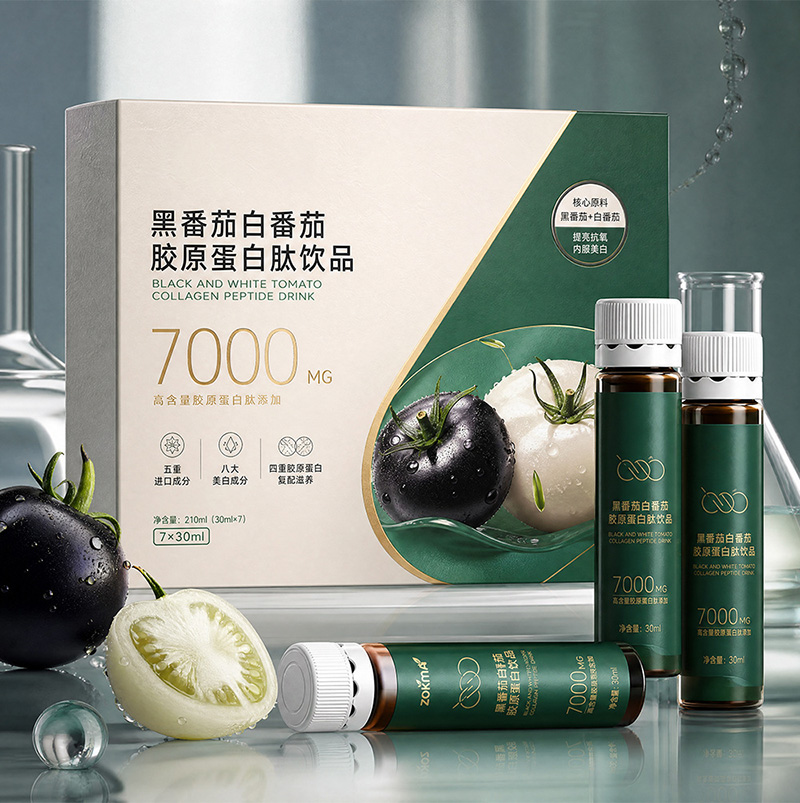
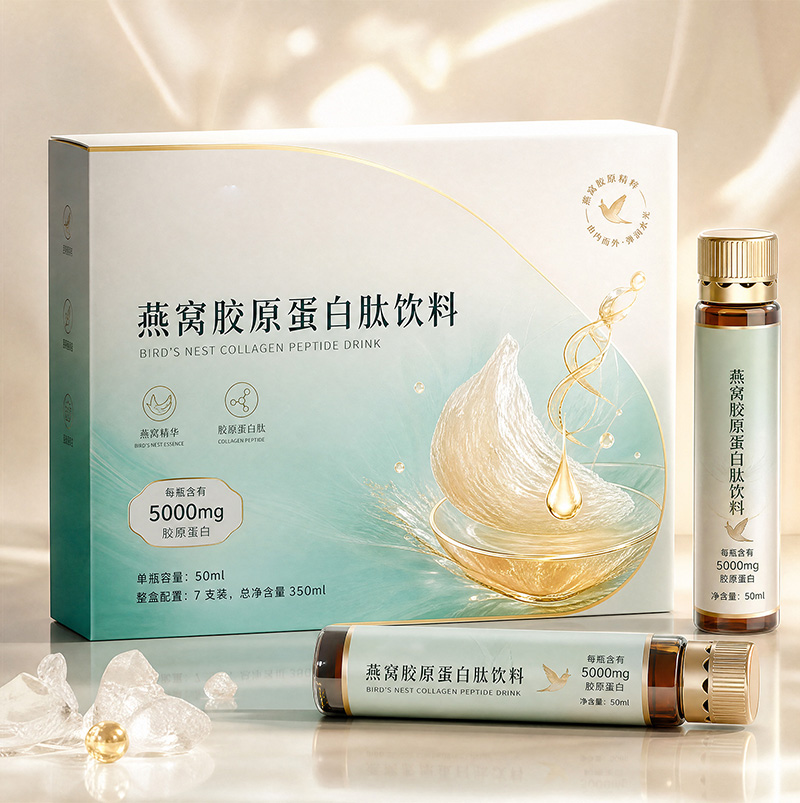
The genuinely difficult territory sits between clear compliance and clear violation. The working principle is this: health functions that have been approved and are declared on the pack may be restated on the detail page in the approved wording; a product sold as a general food or nutrient supplement may describe the physiological role of its nutrients and any approved claim, but nothing beyond that. Saying "each bottle contains X milligrams of collagen peptide" is a composition statement and is fine. Saying "collagen peptide supplementation helps maintain skin hydration" may be acceptable if it matches an approved claim word for word. Saying "wrinkles disappear in a month" is plainly outside the line. A frequent grey area is vague language such as "detox", "regulate" or "improve constitution": it names no disease, but review practice routinely treats it as implying therapeutic effect, so it is best avoided.
3. Replacing benefit language with factual language
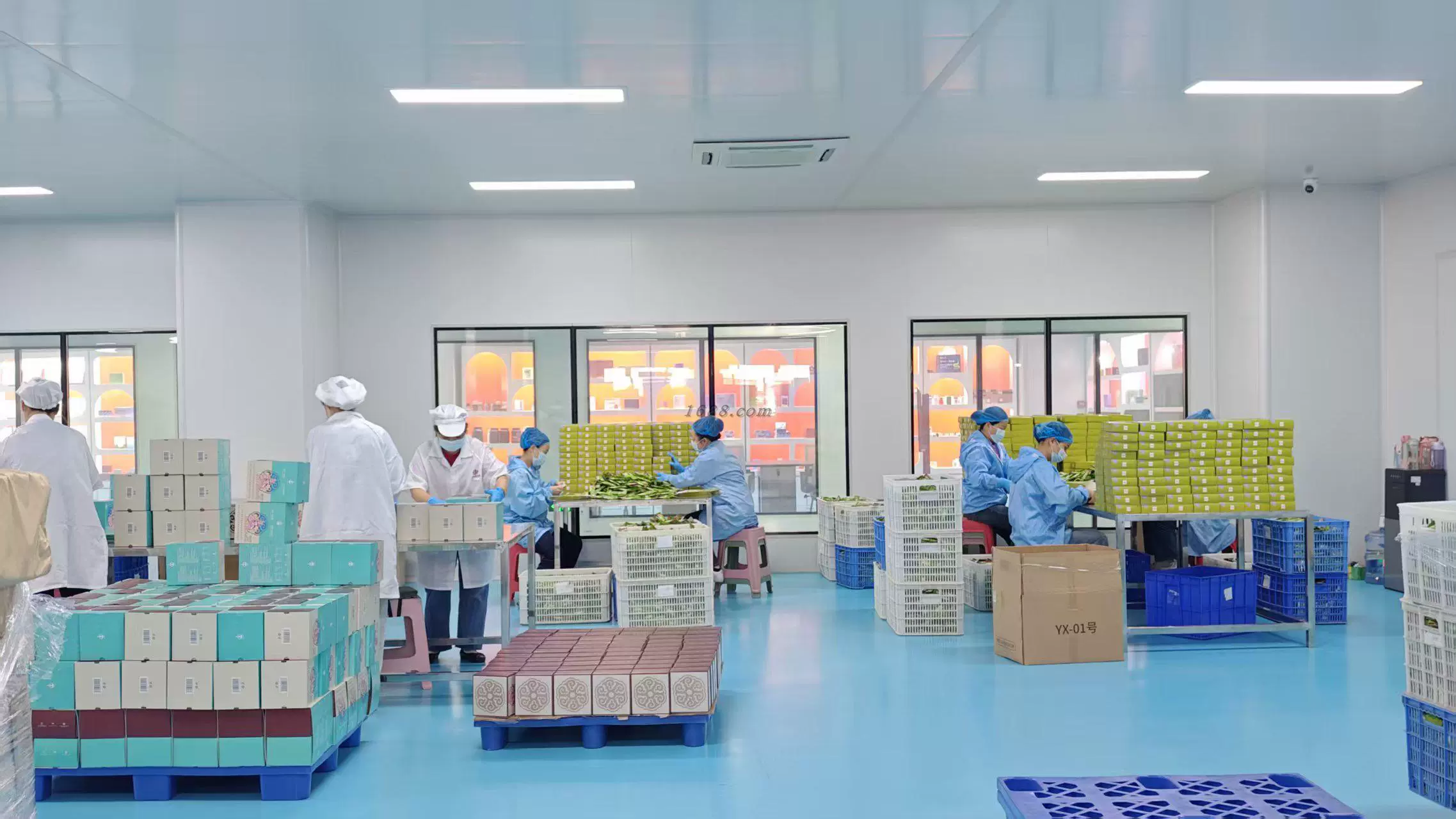
Compliance does not mean weak copy. The technique is to substitute factual statements for benefit promises, and four substitutions work well. Speak in ingredients and quantities: declare the inclusion level, the source and the count, and let the buyer draw the conclusion. Speak in process and standards: "filled in a class 100,000 clean room", "every batch tested for microbiology and heavy metals" is differentiation and reassurance at once. Speak in occasion and user: describe who it suits and how it is taken, without describing the outcome. And use legitimate nutrition education: explain how the ingredient works in the body, landing on general nutrition science rather than product efficacy. Combined, these convert at least as well as non-compliant copy at a fraction of the risk.
4. Pack and listing must agree
A second cluster of problems comes from inconsistency between online and physical. Review and inspection compare the claims on the detail page against the pack label and the declared product standard. Typical mismatches: a function described online that does not appear on the pack; an inclusion level online that differs from the label; a certification mark used online that is not on the pack; or a test report cited that does not correspond to the batch. The most serious version is a claim online that is absent from the label, because that constitutes a claim made outside the label altogether and carries more risk than simple exaggeration. The practical control is a claim matrix listing what appears on pack, the permitted online wording, and a prohibited term list, signed off jointly by operations and quality before go-live.
5. Platform rules and regulation are two separate systems
Brands need to hold both systems in mind because both apply. Regulation determines whether the product may be sold at all; platform rules determine whether the listing stays up. Platform review is often finer-grained, more dynamic, and inconsistent across categories and marketplaces: some categories require test reports to be filed, some require specific qualifications, and image text is increasingly subject to the same review as body copy. Pre-launch therefore involves two checks: the regulatory claim boundary, and the current category rules and review guidance of the target platform. The second is best sourced from an operator with hands-on experience in that category. What a manufacturer can supply is product qualification, test reports, and a clear statement of ingredient status and applicable standard.
6. A pre-launch self-check
Turning all of the above into something executable, five tasks before launch will cover most of the exposure. Screen the listing copy and all image text against a prohibited term list. Reconcile every figure on the page with the pack label and the test reports. Confirm that every certification mark and laboratory name shown has a document behind it. Rewrite any efficacy statement as a factual one and keep a record of the change. And ask the manufacturer for a written statement of ingredient status and applicable product standard, which serves both for platform filing and for any later inspection. A day of work that removes most content compliance risk.
Related Products
Calcium + Zinc Oral Liquid Blueberry Flavor | Zinc Gluconate Liquid Calcium Supplement for Kids OEM | Kids Liquid Calcium with High-Potency Vitamin K2 & D3 | Calcium Zinc Oral Liquid for Teens OEM
About Guangzhou Mesen Health Biotechnology Co., Ltd
Guangzhou Mesen Health Biotechnology Co., Ltd is located in the Huashan Science and Technology Park, Huadu District, Guangzhou. The company has focused on OEM and ODM services for the big health industry for nearly 20 years, operating dedicated research, production, sales and management centres, and maintaining long-term strategic partnerships with well-known Chinese medicine colleges and research institutions. Capabilities span pressed candy, gummies, capsules, solid beverages, herbal teas, plant beverages, protein powders, dietary supplements and enzyme jelly - from formulation development through contract manufacturing. For details on minimum order quantities, sampling lead times and quotations, see our manufacturing advantages and product range, or contact us for a tailored proposal.
Further Reading




