
Solid Beverage OEM Batch Traceability: Numbering Rules, Retention Samples and Release Records
Solid beverages attract fewer complaints than most formats, but when a batch-level problem appears - one batch cakes after reconstitution, another tastes sharp, another has failed seals - the absence of traceable batch records turns a single-batch issue into a full-line recall. In solid beverage OEM relationships, brands focus on formulation, price and lead time and rarely set any requirement on traceability, only discovering after an incident that the manufacturer never recorded raw material lot numbers. Traceability is invisible when things go well and decisive when they do not.

1. Batch numbering: every sachet must lead back to its source
The batch number is the index of the whole system, and the design principles are readability and uniqueness. A common structure is production date plus line plus sequence, so 20260913-A-03 means the third batch on line A that day. Simple as it looks, there are four places it usually breaks. Production crossing midnight needs an agreed convention or one continuous run gets split into two numbers. Reworked material needs distinct marking, because rework quietly entering a normal batch is the most common hole in any traceability system. Whether a batch spanning two days is split has to be written into the process instruction. And packaging component lots must map to finished goods lots - many plants record the product lot but not the film or sachet lot, so a sealing failure can only be investigated by screening everything. For a brand owner the test is simple: take one random sachet and ask the manufacturer to produce, within half an hour, the lot numbers of every raw material used, the production time, the shift and the test records. If they cannot, the system exists only on paper.
2. Raw material lot records: where traceability begins
A solid beverage typically carries anywhere from a dozen to several dozen ingredients, and the critical moment is charging, where raw lot numbers must be bound to the finished batch number. Three failure modes recur. Split lots without records: the same formula used two lots of milk powder that day and the charging sheet carries only one number. Loss of identity after opening: half a bag sits in the hold and two days later nobody knows which lot it was. Broken chain at pre-treatment: material is milled and screened, rebagged, and the new bag carries no link to the original lot. The fixes are unglamorous but rely entirely on discipline. Charging sheets need one line per material with lot number and actual charged weight. Opened material needs a transfer label that still carries the lot. Intermediate material after pre-treatment needs dual identification, original lot plus new transfer number. When auditing a plant, pull one charging sheet at random and check whether every material has a lot and an actual weight recorded. That tells you more than any framed policy on the wall.
3. Retention samples: quantity, duration and conditions
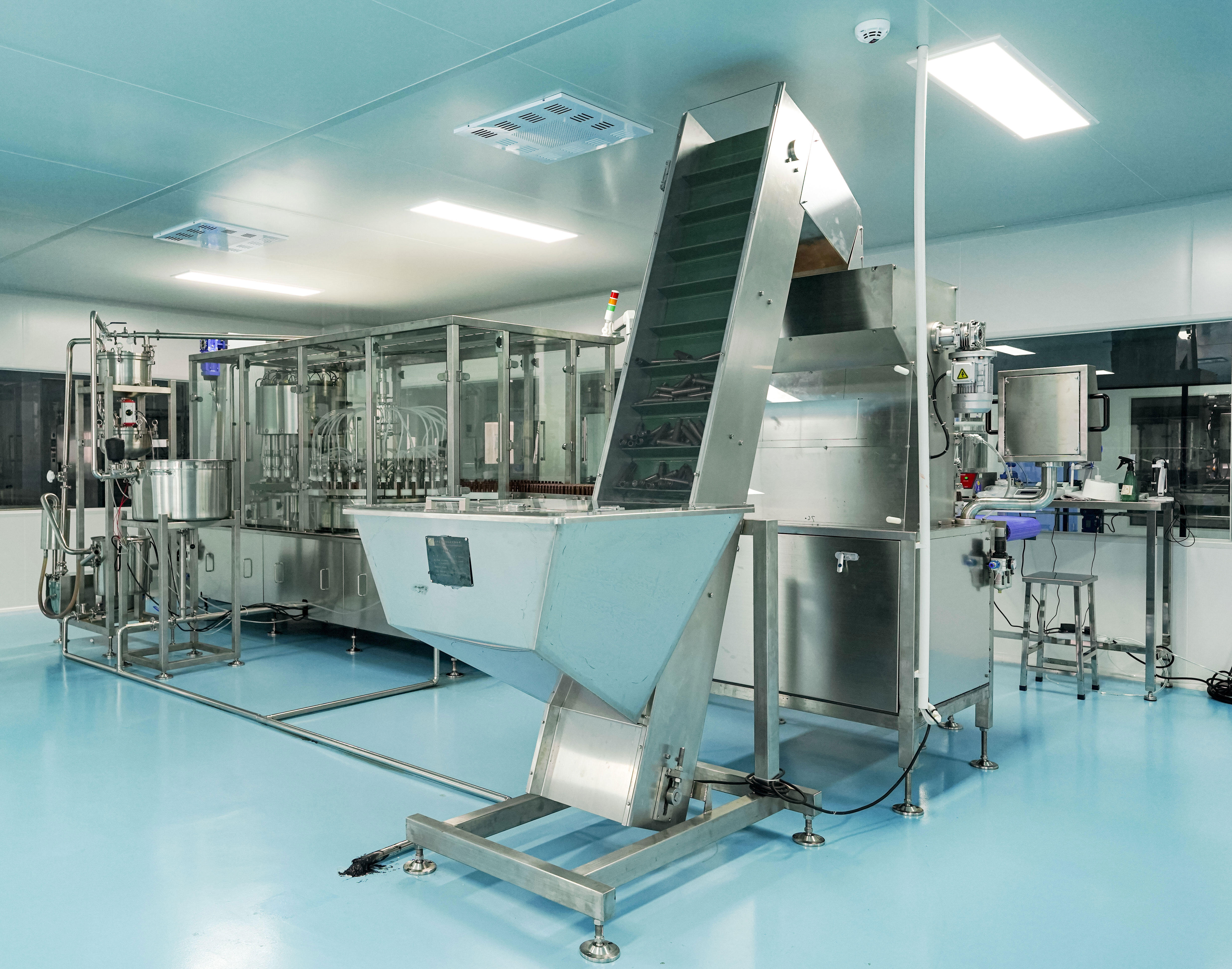
Retained samples are the physical evidence behind any retest or dispute. Quantity follows a simple logic: enough for three full re-test cycles plus one sealed reference. For solid beverages, keeping at least three times the normal testing quantity per batch is a reasonable rule, and the sample must be finished product in exactly the retail pack, not laboratory aliquots in a ziplock. The pack itself, particularly the barrier of a foil sachet, is often the deciding factor in shelf life, so a retention sample in non-commercial packaging gives results that cannot be argued from. Duration should cover the stated shelf life plus six to twelve months, so that evidence still exists when a complaint arrives after expiry. Storage should match or exceed commercial conditions, and for ambient-claimed products the retention room should have recorded temperature and humidity, because an unmonitored retention room carries little weight in a dispute. Access control and a withdrawal log matter too: if the integrity of a sample is questioned, the log is the only way to demonstrate chain of custody.
4. Release records: a decision, not a test summary
Release is the final gate in the quality system, yet many plants write nothing more than "tested and passed, released", which provides almost nothing during an investigation. A useful release record carries at least six elements: batch number and batch size; every test item with specification limits and actual results; the analyst and the reviewer; any deviation during production and how it was resolved; the actual range of critical process parameters such as blending time and room humidity; and the release decision signed by a named person. Deviations are the part most often dropped and most valuable - a batch blended three minutes short of the instruction, or one where room humidity exceeded the limit for half an hour, is frequently where the root cause of a complaint is hiding. In the quality agreement, brands can require that every delivered batch ships with a copy of the release record and the raw data or chromatograms for critical tests. That documentation is the strongest evidence available when a dispute arises.
5. Five clauses to put in the quality agreement
Traceability only becomes real when it is contractual. Five provisions are worth insisting on. The manufacturer keeps complete batch production and batch testing records for at least one year beyond shelf life, with the brand owner entitled to inspect them. In the event of a complaint, the manufacturer supplies the full traceability package for that batch within an agreed window, normally three working days. Retention samples are held at the agreed quantity and duration, and the brand owner may request a retest, with the laboratory and the cost falling to whichever party is found responsible. Any change of critical raw material supplier or process parameter requires prior written notice, and an unnotified change is a breach. And where the manufacturer's inability to produce records enlarges the scope of a recall, the enlarged loss sits with the manufacturer. These read as harsh, but they protect both sides: a plant with a real system will not object, and one that objects is telling you something.
Related Products
White Kidney Bean Black Coffee Latte Powder | Instant Keto Enzyme Coffee Solid Beverage OEM Private Label | Protein Berry Meal Replacement Shake Powder | Satiety Smoothie Solid Beverage Custom OEM
About Guangzhou Mesen Health Biotechnology Co., Ltd
Guangzhou Mesen Health Biotechnology Co., Ltd is located in the Huashan Science and Technology Park, Huadu District, Guangzhou. The company has focused on OEM and ODM services for the big health industry for nearly 20 years, operating dedicated research, production, sales and management centres, and maintaining long-term strategic partnerships with well-known Chinese medicine colleges and research institutions. Capabilities span pressed candy, gummies, capsules, solid beverages, herbal teas, plant beverages, protein powders, dietary supplements and enzyme jelly - from formulation development through contract manufacturing. For details on minimum order quantities, sampling lead times and quotations, see our manufacturing advantages and product range, or contact us for a tailored proposal.
Further Reading



