Solid Beverage OEM Equipment: Granulation, Blending and Filling Lines Sized for Capacity
A solid beverage line looks like nothing more than blending plus filling, yet the gaps in capacity and quality between plants hide in exactly those two steps. In solid beverage OEM, how granulation is chosen, how long blending runs and how dosing accuracy is held decide solubility, uniformity and net-content compliance. This guide works through the process in order, covering selection logic and the parameters that matter.
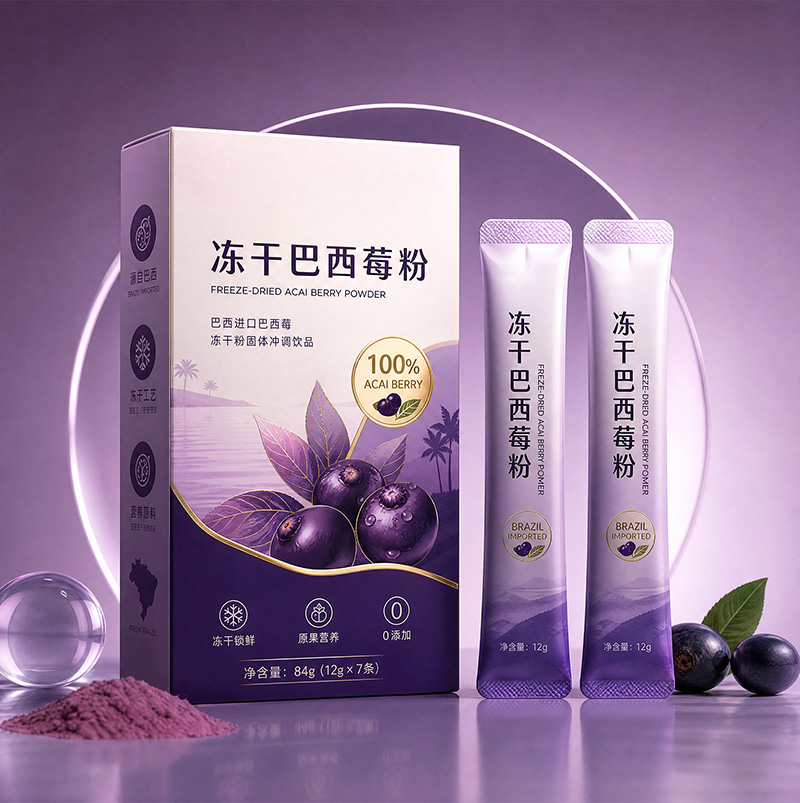
1. Pre-treatment: particle size from milling and screening
Particle size is the underlying variable. Too coarse and the drink feels gritty and settles fast; too fine and it cakes, flows badly and dusts during filling. The usual target is 80 to 100 mesh with a narrow distribution. On equipment, a universal mill suits most materials, micronising helps where a smoother mouthfeel is wanted, and fibrous botanicals do better in a shear mill. The discipline is to measure the distribution on every incoming lot rather than asking only what mesh it passed - two lots through the same mesh can behave very differently if the spread differs.
2. Granulation: wet, dry or one-pot
Granulation exists to improve flow and solubility. Wet granulation - oscillator plus tray or fluid-bed drying - is cheap and gives dense granules, but suits no heat-sensitive actives. One-pot fluid-bed granulation does mixing, granulating and drying in one vessel, with low cross-contamination and porous, fast-dissolving granules, which fits high-value formulas such as peptides or probiotics. Dry granulation by roller compaction adds no water or alcohol and suits moisture- and heat-sensitive materials. The deciding factors are the share of heat-sensitive actives and the target solubility grade.
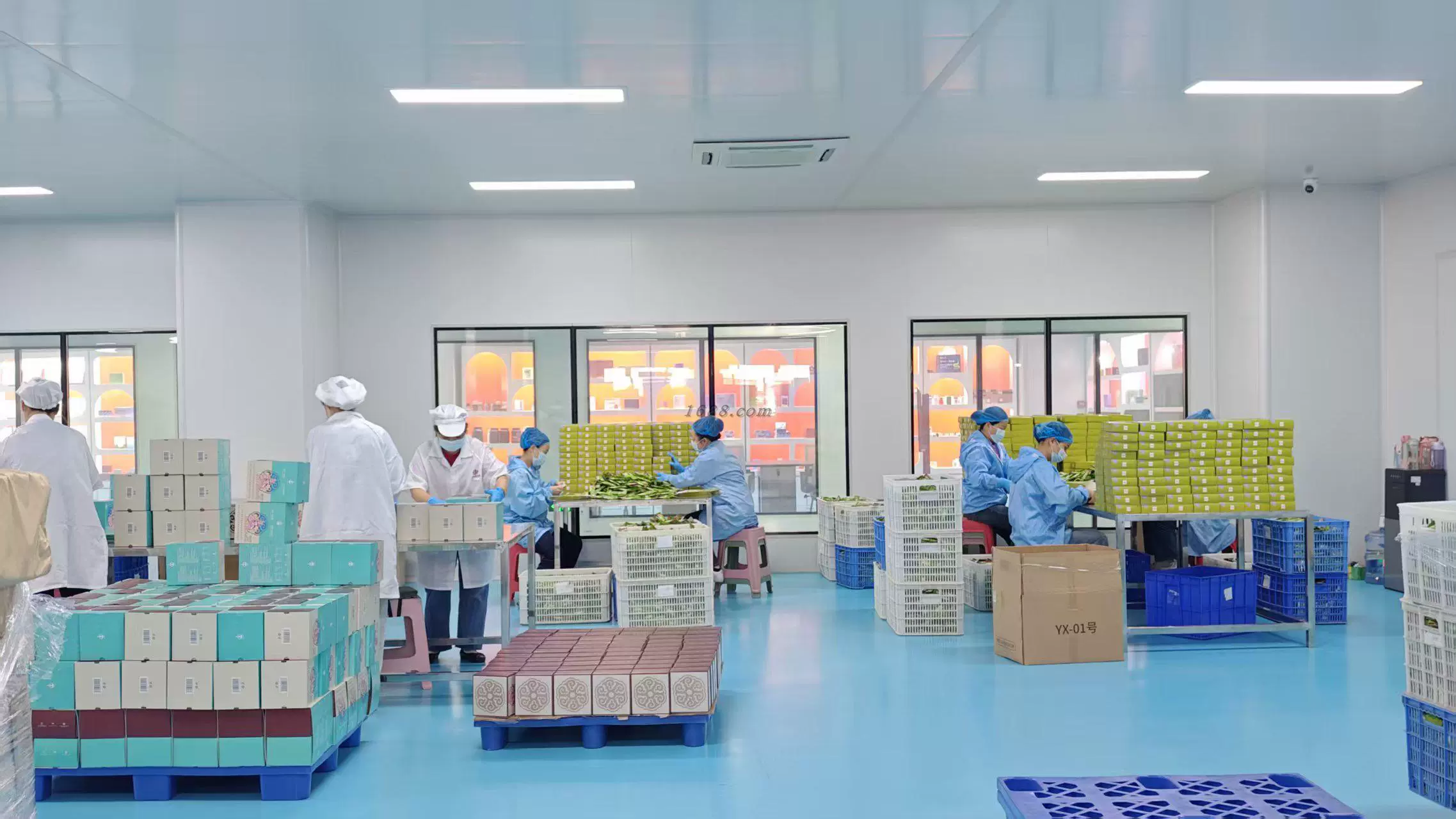
3. Blending: time and speed must be numbers, not habit
Blend uniformity is where solid beverages most often fail badly - uneven distribution means some sachets in the same batch run high and others low. Parameters need to be fixed: a 3D or V-blender typically runs 15 to 30 minutes at 10 to 20 rpm with a load factor of 50 to 70 percent. Overfilling creates dead zones that never mix; underfilling makes the powder slide rather than tumble. Verification is sampling top, middle and bottom after blending and measuring the RSD of the marker compound, generally required at 5 percent or below. Record the RSD for every batch and trend it: a slow drift almost always points to worn blades or a shift in incoming particle size, not to a fault in the mixing step itself.
4. Filling: accuracy and net content compliance
Dosing accuracy decides whether net content passes. Auger fillers suit powders, with accuracy governed by flow properties and screw speed; volumetric cup fillers suit uniform granules, running faster but less precisely. Watch screw speed, agitator timing and suck-back setting. Routine practice is to hold average net content at or above the declared figure under the applicable regulations, sampling five sachets every 30 minutes. Hygroscopic formulas also need the filling room held at 50 percent relative humidity or below, or the powder starts taking up moisture in the hopper.
5. Metal detection and foreign-body control
Foreign-body risk in powders comes mainly from equipment wear and broken screens. A metal detector at the line end should cover ferrous, non-ferrous and stainless channels, with sensitivity verified by test wands at start-up, during the run and at batch change. Screens need before-and-after inspection and a replacement record. It seems unrelated to taste, yet this is a frequent source of complaints and recalls, and a standard item in any brand audit. Rejected packs should be opened and the fragment identified, since a recurring fragment points to a specific wear point that can then be fixed rather than merely detected.
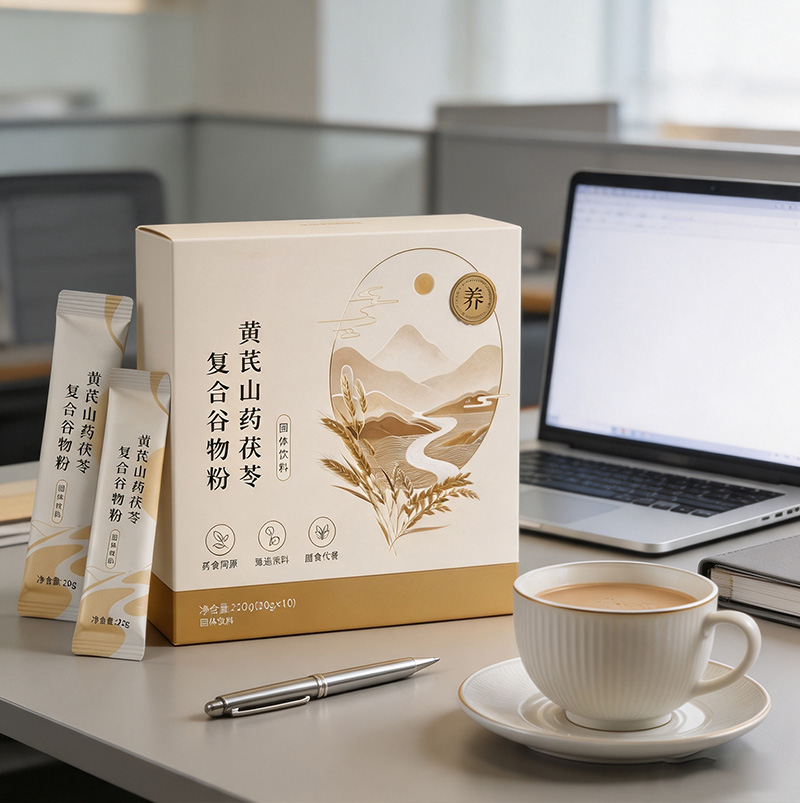
6. Capacity balance: do not leave the bottleneck last
The most common line design error is mismatched capacity - pre-treatment at 500 kg per hour, granulation at 300, filling at 150 - so the whole line is throttled by the final step while upstream machines idle. The correct approach is to work backwards from target daily output to each step's requirement and leave 20 percent headroom for changeovers and cleaning. For a brand assessing a plant, asking which step is the bottleneck and what the daily output actually is tells you far more about real delivery capability than any equipment list.
Related Products
White Kidney Bean Black Coffee Latte Powder | Instant Keto Enzyme Coffee Solid Beverage OEM Private Label | Protein Berry Meal Replacement Shake Powder | Satiety Smoothie Solid Beverage Custom OEM
About Guangzhou Mesen Health Biotechnology Co., Ltd
Guangzhou Mesen Health Biotechnology Co., Ltd is located in the Huashan Science and Technology Park, Huadu District, Guangzhou. The company has focused on OEM and ODM services for the big health industry for nearly 20 years, operating dedicated research, production, sales and management centres, and maintaining long-term strategic partnerships with well-known Chinese medicine colleges and research institutions. Capabilities span pressed candy, gummies, capsules, solid beverages, herbal teas, plant beverages, protein powders, dietary supplements and enzyme jelly - from formulation development through contract manufacturing. For details on minimum order quantities, sampling lead times and quotations, see our manufacturing advantages and product range, or contact us for a tailored proposal.
Further Reading