Pressed Candy OEM Compliance: Standards, Labelling Rules and Claim Boundaries for Brands
Pressed candy is one of the highest-volume formats in contract manufacturing and one of the most compliance-sensitive. The reason is simple: it looks like a tablet, so consumers instinctively read it as something medicinal, while its legal status is ordinary food. That gap is where most trouble starts. In our order review, roughly one new product brief in three needs wording changes before production begins, and nearly all of them involve claims that overstep or labels with missing items. This guide sets out what brand owners should settle before placing a pressed candy OEM order.
1. Start with the product classification
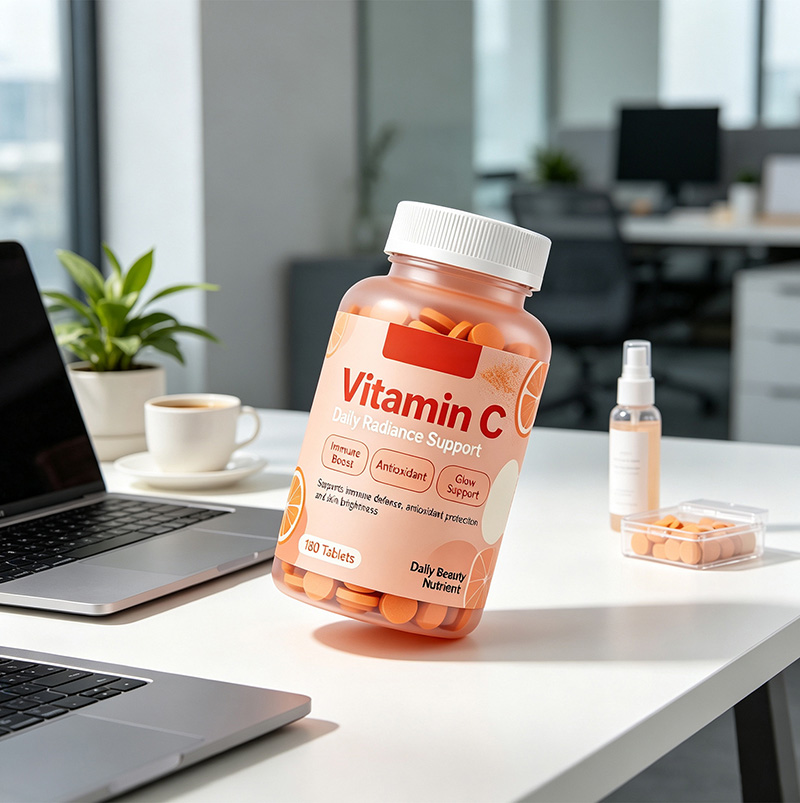
Under the food production licensing system, pressed candy sits inside the confectionery category and is normally made to SB/T 10347 or to a registered enterprise standard. It is ordinary food - not a health food and not a drug. Three consequences follow directly. No health function claims may be made. No language about preventing, treating or assisting in the treatment of disease may appear. And nothing on the label may imply health-food status, including any graphic or wording resembling the blue hat mark.
The recurring confusion involves substances on the dual-use medicinal and food list. A pressed candy may contain cultivated ginseng, maca, goji, polygonatum and similar materials, but adding them does not reclassify the product and does not unlock claims tied to those botanicals. This is the misconception we spend the most time correcting during formulation review.
2. Match the standard to the licence scope
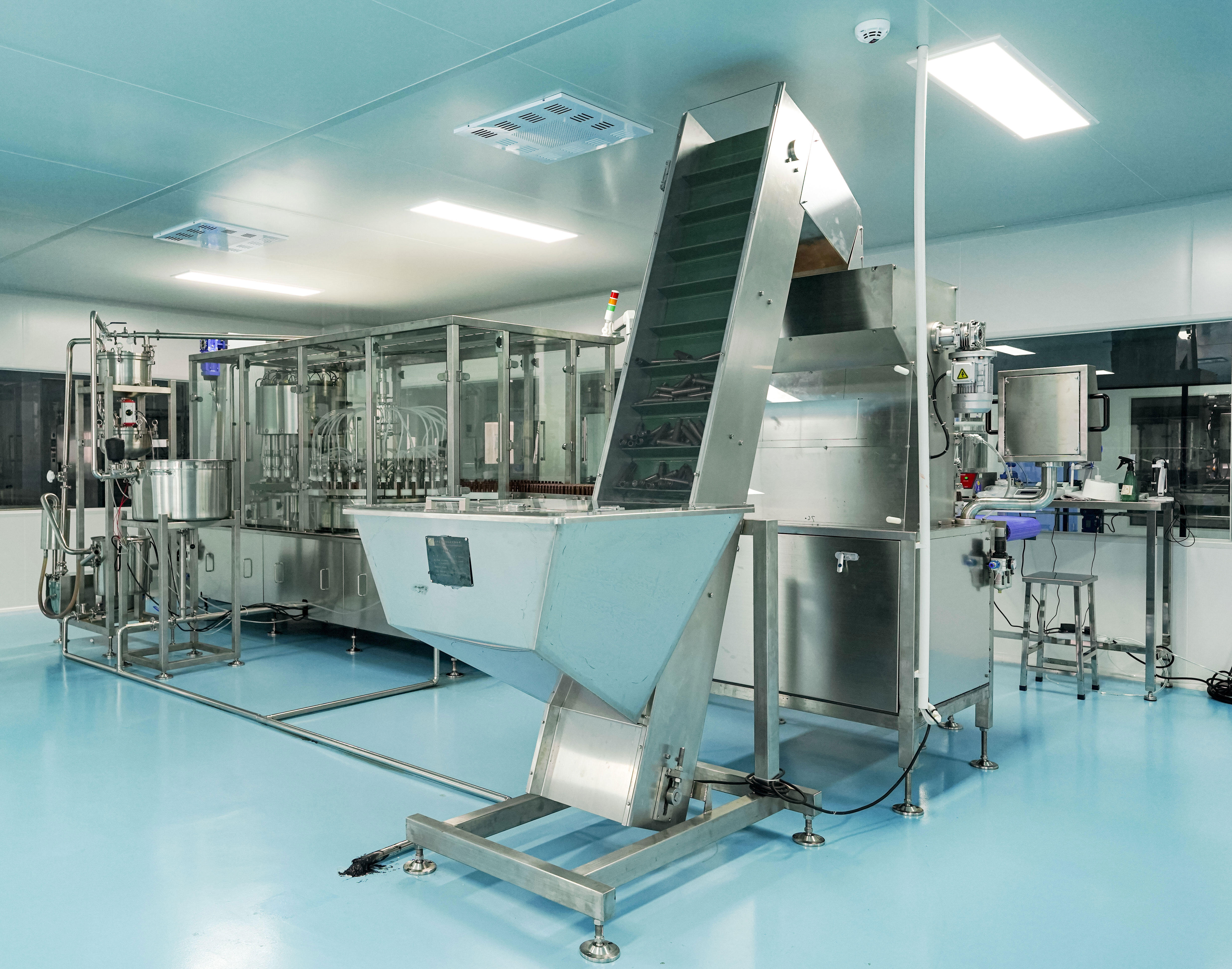
Two checks matter before contracting. First, confirm that the manufacturer's SC licence specifically lists pressed candy among its category details; many facilities hold only part of the confectionery range, and producing outside that scope exposes both parties. Second, settle the product standard. The industry standard keeps testing relatively light and inexpensive. An enterprise standard must be filed on the public platform, and its limits cannot fall below the mandatory national standards: GB 17399 for confectionery, GB 2760 for additives, GB 2762 for contaminants and GB 29921 for pathogens.
3. Mandatory label items and the usual errors
A compliant label carries the product name, ingredient list, net content and specification, the names and addresses of both the brand owner and the contract manufacturer, production date and shelf life, storage conditions, the product standard code, the production licence number and the origin. Four errors recur constantly: the ingredient list not ordered by descending inclusion; compound ingredients such as fruit powders or premixes not broken out into their constituents; additives not named with their GB 2760 generic names; and nutrition panels with wrong NRV percentages or missing the required energy plus four core nutrients.
Net content is the other repeat offender. Where a count is given, weight must appear beside it. "60 tablets" on its own is not sufficient, and mixing up per-piece weight with total bottle weight is a routine cause of rejected marketplace listings - the cost of reprinting labels usually exceeds any saving from the first print run.
4. Where the claim boundary actually sits
What can be said falls into three groups: physical attributes such as taste, flavour, shape and count; factual statements about composition such as "with collagen peptides"; and non-functional compositional facts such as "contains dietary fibre". What cannot be said includes any functional promise, any disease-related wording, and any use of testimonials, expert endorsement or laboratory reports to imply a benefit. Be careful with borderline phrasing: "lowers blood sugar" and "supports liver health" are treated as disease claims in most contexts.
Our working method is a three-question screen applied to every line of copy. Does it describe a therapeutic effect? Does it imply a health function? Could a reader take it as acting on a disease? A single yes means a rewrite. "Helps you fall asleep" becomes "for evening use"; "boosts immunity" becomes "with vitamin C"; "liver support" becomes "with turmeric". Copy that clears this screen almost always passes, and the selling point survives intact.
5. Testing, documents and retention samples
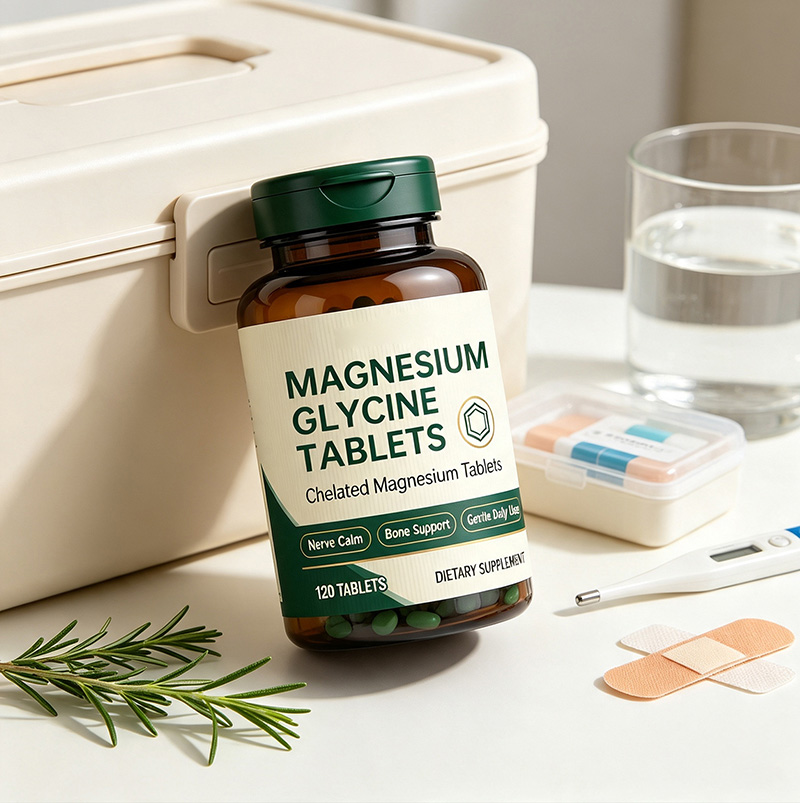
Ordinary food needs no registration, but a full type test against the declared standard should be completed before launch, with the third-party report on file. Marketplaces generally ask for a business licence, the food production licence, a product test report and the label artwork. Export orders add a composition statement, a certificate of free sale and whatever sanitary certificate the destination requires, and some countries require the manufacturing site to be registered overseas first. The contract should also fix responsibility for retention samples and how long they are kept; holding them six months past shelf life is a sensible default when a quality dispute needs tracing.
Related Products
Glycerol diester coffee OEM OEM OEM OEM OEM meal replacement coffee MCT live broadcast same solid beverage source manufacturer | GLP-1 Semaglutide Satiety & Fat Blocker Tablets | Custom Pressed Candy OEM Manufacturing
About Guangzhou Mesen Health Biotechnology Co., Ltd
Guangzhou Mesen Health Biotechnology Co., Ltd is located in the Huashan Science and Technology Park, Huadu District, Guangzhou. The company has focused on OEM and ODM services for the big health industry for nearly 20 years, operating dedicated research, production, sales and management centres, and maintaining long-term strategic partnerships with well-known Chinese medicine colleges and research institutions. Capabilities span pressed candy, gummies, capsules, solid beverages, herbal teas, plant beverages, protein powders, dietary supplements and enzyme jelly - from formulation development through contract manufacturing. For details on minimum order quantities, sampling lead times and quotations, see our manufacturing advantages and product range, or contact us for a tailored proposal.
Further Reading