Stability Testing for Nutraceutical OEM: Designing Accelerated and Long-Term Programmes
Whether a shelf life reads eighteen months or twenty-four is, in many projects, decided by what comparable products say. That decision is invisible while things sell well and becomes the largest risk exposure the moment a consumer complaint or a channel audit arrives. Stability testing is the only basis for that number, and the clearest dividing line between contract manufacturers: a plant that can design a programme, run it and produce a complete data chain is operating at a different level of quality management from one that cannot. This article sets out how it works in nutraceutical OEM - choosing conditions, selecting attributes, scheduling time points and reading the outcome.
What a stability study is for
A stability study has exactly one purpose: to demonstrate that the product continues to meet its specification throughout the claimed shelf life under the stated storage conditions. It answers three specific questions. What changes does the product undergo on shelf. How fast do those changes proceed. And at which time point does the product cross the specification line. Only those three answers together constitute a defensible shelf life.
One distinction is worth stating plainly, because the two are routinely conflated. Release testing tells you a batch was good at the moment it left the factory. It says nothing about whether it will still be good at three, six or twelve months. Stability testing is a different question entirely.
Two study types: accelerated and long-term
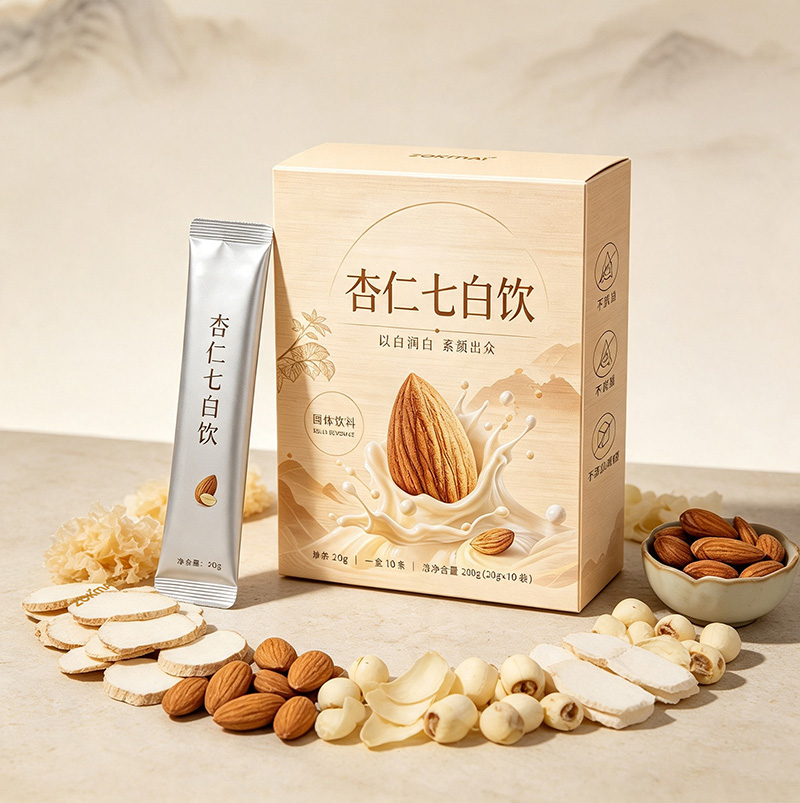
Accelerated testing stores product at conditions harsher than normal to speed up degradation, allowing a shelf-life projection in a compressed period. The standard accelerated condition is forty degrees plus or minus two, at seventy-five percent relative humidity plus or minus five, with sampling at zero, one, two, three and six months. For low-moisture, thermally robust formats such as tablets and powdered drinks, a two-condition design using thirty degrees at sixty-five percent alongside forty at seventy-five gives better resolution.
Long-term testing stores product under the conditions that will actually be claimed, and is the definitive basis for the shelf life. Standard conditions are twenty-five degrees at sixty percent relative humidity, or thirty degrees at sixty-five for tropical and subtropical markets. Sampling points are typically zero, three, six, nine, twelve, eighteen, twenty-four and thirty-six months.
The relationship between them is straightforward. Accelerated work screens quickly and supports a provisional shelf life; long-term work confirms and extends it. A new product usually launches with three to six months of long-term data plus six months of accelerated data, supporting a provisional eighteen to twenty-four month claim, which is then confirmed progressively as long-term results accumulate.
Choosing attributes: not more, but the right ones
The selection principle is to capture attributes that change and that affect acceptability. They fall into four groups. Sensory: colour, odour, taste and physical state. Physicochemical: moisture, pH, acid value, peroxide value and marker compound content. Microbiological: aerobic plate count, coliforms, mould and pathogens. Functional: viable count, enzyme activity, active content.
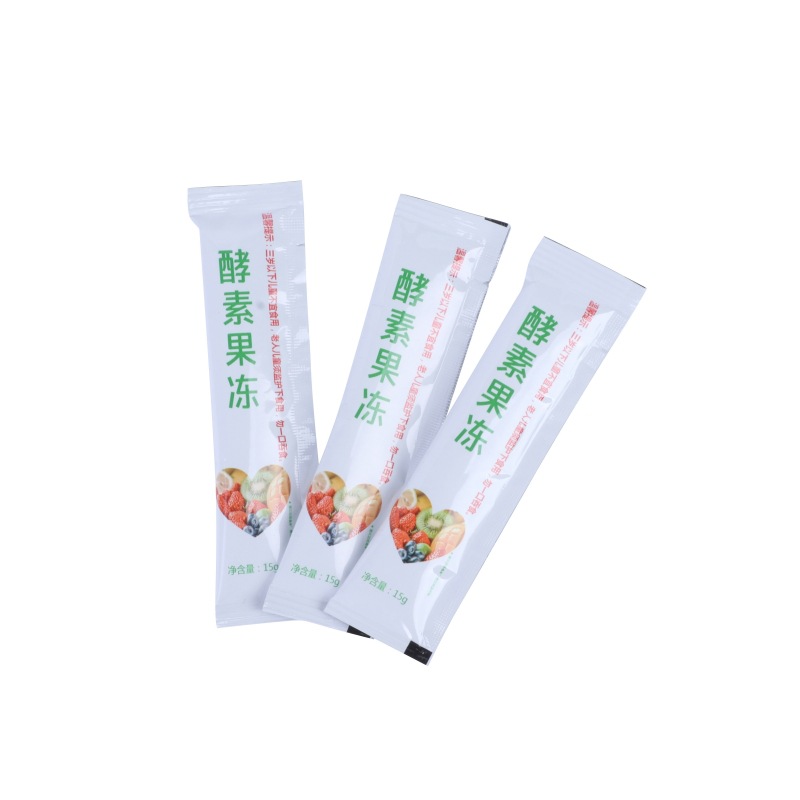
The emphasis differs by format. Tablets need hardness, friability, disintegration time and appearance; powdered drinks need moisture, caking rate, reconstitution behaviour and microbiology; gummies need moisture, syneresis, sugar crystallisation and texture; liquid supplements need clarity, pH, sediment and visible particles; protein powders need caking rate, peroxide value and colour. For any probiotic product, viable count is the core attribute and must still meet the label claim at the end of shelf life. More attributes is not better - five executed rigorously over three years beat ten collected half-heartedly, and the rule is to select what changes, not what is convenient to measure.
Four practical design points
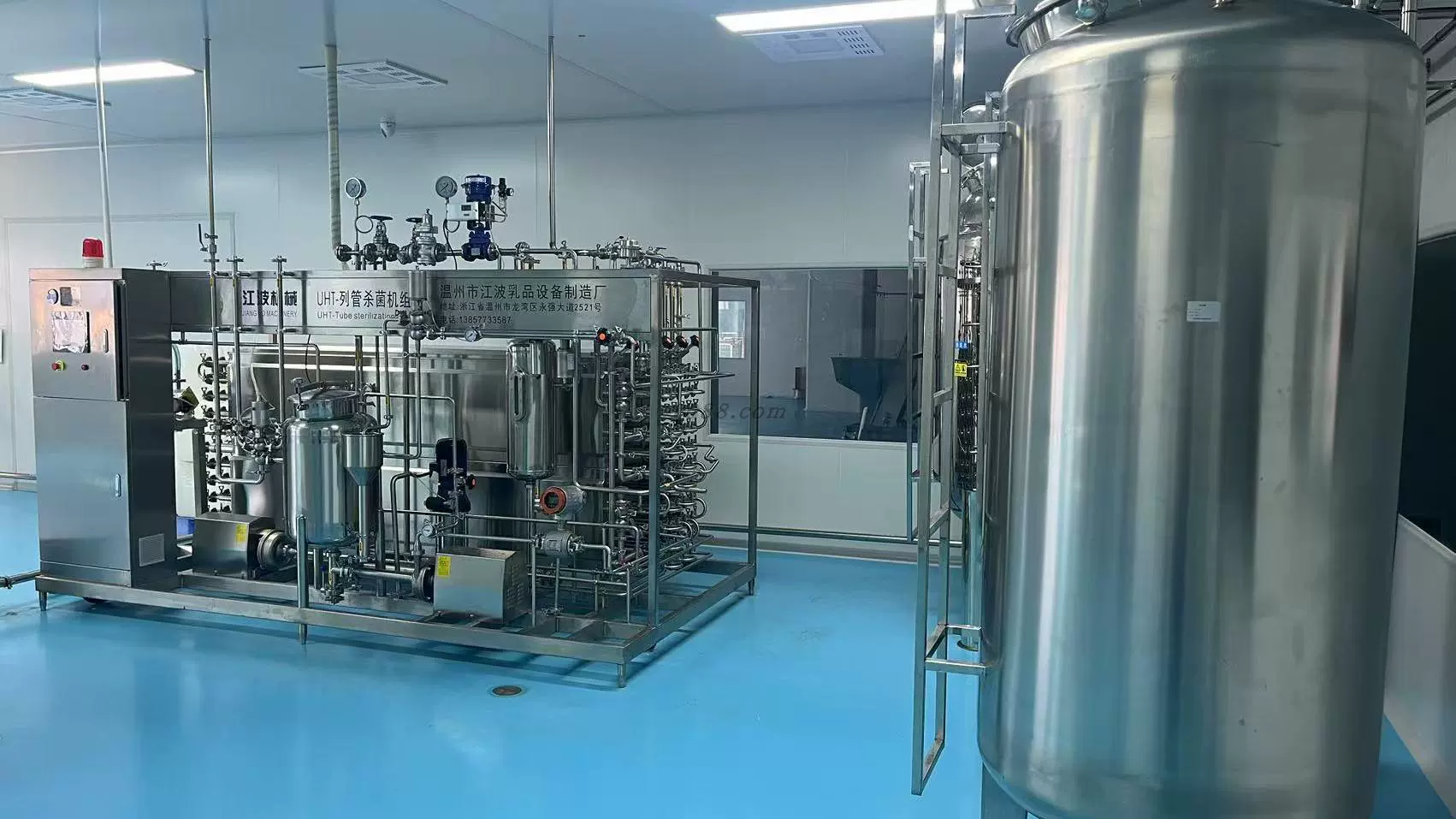
First, batches. A credible programme covers at least three commercial-scale batches, not laboratory trial batches. Trial material differs from production material in particle size, density and packaging contact, so its data is not representative. Stability retention should start with the first commercial run.
Second, packaging. The study must use packaging identical to the retail pack - same material, same format, same closure - and store it in the orientation it will actually ship in, whether upright, inverted or horizontal. Data from a simplified pack is meaningless.
Third, sample quantity. Calculate the total units required across every time point and condition up front, including test consumption and retain samples. The most common operational failure is discovering at month twelve that there is not enough material left, which terminates the study.
Fourth, the baseline. The zero-month data anchors the entire study and must be generated as soon as possible after production. If the baseline is wrong, every trend judgement that follows is wrong too.
How to read the results
Three rules apply. One: every attribute must remain within specification across the whole study period; a single excursion terminates the shelf life at that point. Two: trend matters more than any individual point - if an attribute has not crossed its limit at six months but is close to it and moving steadily, a provisional twenty-four month claim is reckless. Three: define a significant change in advance, conventionally a marker decline of more than five percent from initial, or the product characteristic's own agreed threshold, plus any unacceptable sensory change.
On extrapolating accelerated results to a shelf life, there is no universal conversion factor. The rule of thumb that "six months accelerated passing supports a provisional twenty-four months" is only reasonably reliable for thermally robust formats with a single dominant degradation mechanism. For products containing live cultures, enzymes or readily oxidised oils, accelerated data has limited extrapolative value and the long-term data has to carry the claim.
Four recurring mistakes
Using release testing as if it were stability data - the most common error, and the two answer entirely different questions. Testing a single batch - one batch cannot show batch-to-batch variation and carries almost no evidential weight in a dispute. Starting the study and never looking at it again - proper practice plots a trend curve after every pull and opens an investigation on any anomaly. And failing to re-study after changing raw material or packaging - both can alter the degradation rate, so any change should at minimum trigger a fresh accelerated run.
For brand owners, the clause most worth writing into an OEM agreement is this: the manufacturer shall initiate stability retention on the first three commercial batches and provide data at the agreed time points. The cost is modest. What it determines is whether, when a quality dispute arrives, you have anything to speak with.
Related Products
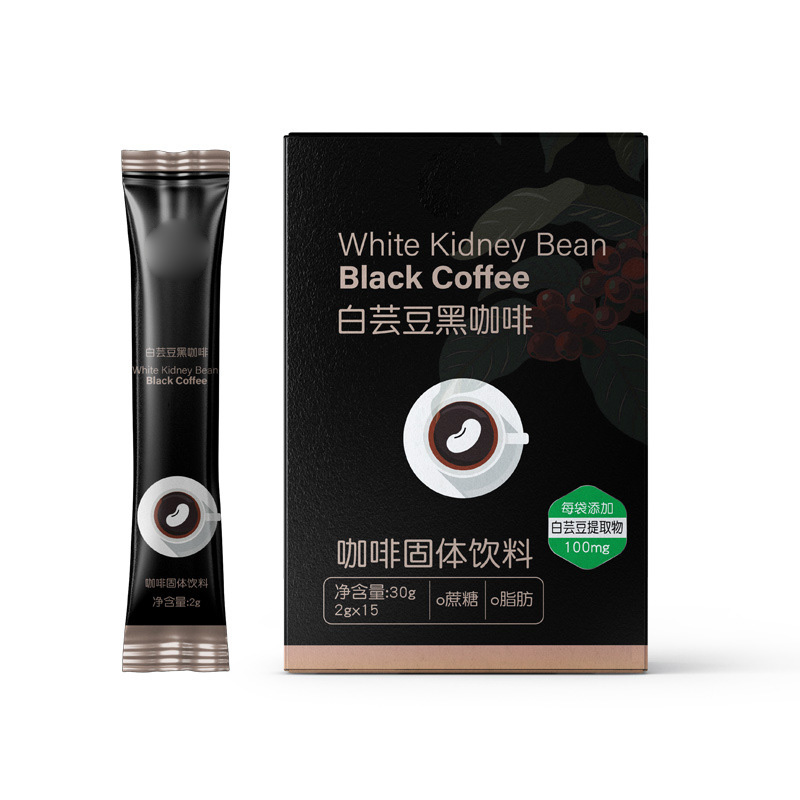
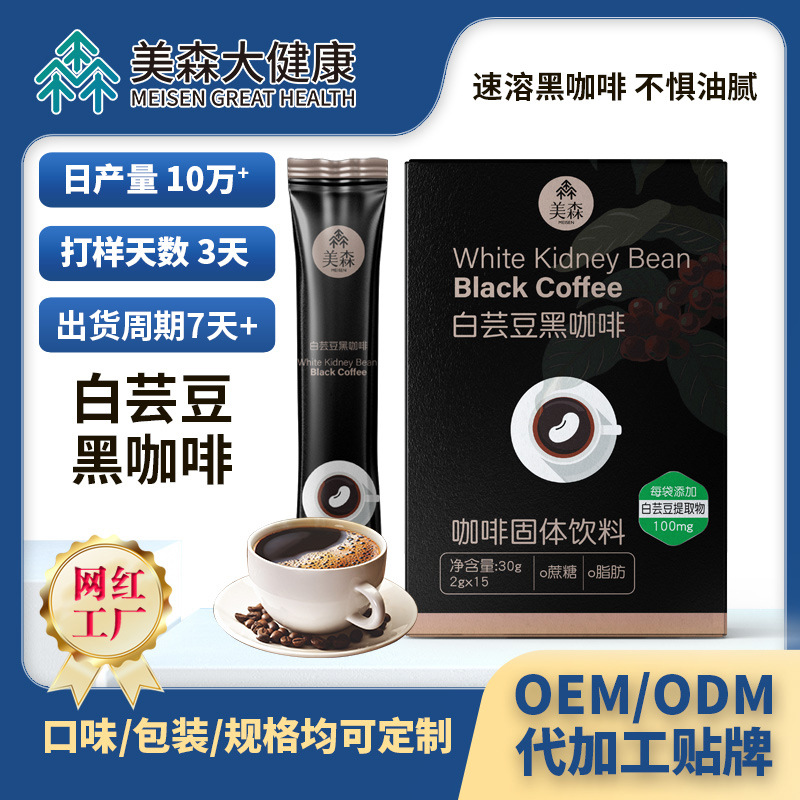
White Kidney Bean Black Coffee Latte Powder | Instant Keto Enzyme Coffee Solid Beverage OEM Private Label | Protein Berry Meal Replacement Shake Powder | Satiety Smoothie Solid Beverage Custom OEM
About Guangzhou Mesen Health Biotechnology Co., Ltd
Guangzhou Mesen Health Biotechnology Co., Ltd is located in the Huashan Science and Technology Park, Huadu District, Guangzhou. The company has focused on OEM and ODM services for the big health industry for nearly 20 years, operating dedicated research, production, sales and management centres, and maintaining long-term strategic partnerships with well-known Chinese medicine colleges and research institutions. Capabilities span pressed candy, gummies, capsules, solid beverages, herbal teas, plant beverages, protein powders, dietary supplements and enzyme jelly - from formulation development through contract manufacturing. For details on minimum order quantities, sampling lead times and quotations, see our manufacturing advantages and product range, or contact us for a tailored proposal.
Further Reading